
In the world of material testing and quality assurance, thermal cycling is a crucial process used to evaluate the durability and reliability of materials and components. One important aspect of thermal cycling is the concept of dwell time. But what exactly is dwell time, and why is it significant in thermal cycling? In this blog, we will explore the meaning of dwell time, its significance in thermal cycling, and how it is applied in the context of a thermal cycling chamber.
What is Dwell Time?
Dwell time refers to the period during which a material or component is held at a specific temperature during the thermal cycling process. This period allows the material to stabilize at the given temperature before it is subjected to the next phase of the cycle. In a thermal cycling chamber, the temperature is carefully controlled to simulate the environmental conditions that the material will face in real-world applications. The following are the key points of thermal cycle dwell time:
- Definition
The length of time a material remains at a particular temperature before moving on to the next phase of the thermal cycle is known as its dwell time. It ensures that thermal expansion or contraction stabilizes by allowing the material to reach thermal equilibrium. This adjustment is indispensable for precise testing and dependable assessment of the material's exhibition under various temperature conditions.
- Purpose
The primary purpose of dwell time is to enable the material to reach thermal equilibrium at each temperature stage within the thermal cycling process. This ensures that the material's physical properties stabilize before progressing to the next phase of testing. By achieving thermal equilibrium in a thermal cycling chamber, engineers, and researchers can obtain consistent and reproducible test results, essential for assessing the material's performance under simulated environmental conditions.
- Importance
Accurate control of dwell time is paramount in thermal cycling tests to ensure the reliability and precision of test outcomes. By maintaining precise durations at each temperature set point, engineers can observe how the material responds to thermal stresses over time. This capability is critical for predicting the material's longevity, durability, and reliability in real-world applications across diverse industries such as electronics, automotive, aerospace, and more.
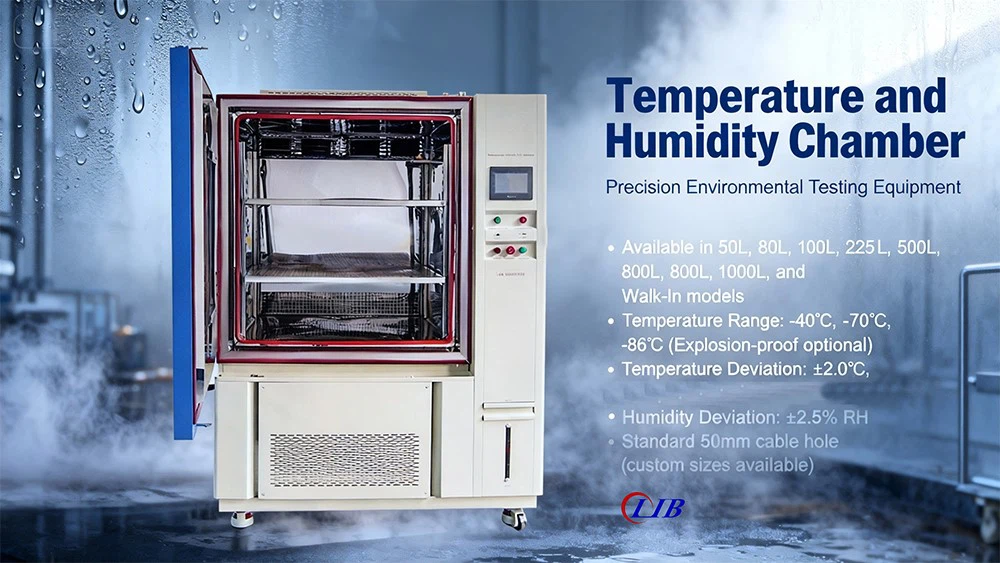
thermal cycling Chambers for aging test
Why is Dwell Time Important in Thermal Cycling?
Dwell time plays a pivotal role in the thermal cycling process for several reasons. It ensures that the material or component being tested experiences realistic and consistent thermal stresses, which are essential for accurate evaluation of its performance under varying temperatures. Here are some reasons why dwell time is crucial:
- Thermal Equilibrium
Dwell time allows the material to reach thermal equilibrium, meaning it has fully adjusted to the new temperature. This is important because the material's properties, such as thermal expansion, can significantly change at different temperatures. Without sufficient dwell time, these changes may not be fully realized, leading to inaccurate test results. In a thermal cycling chamber, precise control of dwell time ensures that these temperature-induced property changes are accurately observed and accounted for in the testing process.
- Stress Relief
Thermal cycling can induce significant thermal stress in materials. Dwell time helps in relieving some of these stresses by allowing the material to adapt gradually to temperature changes. This is especially important for materials that are prone to cracking or other forms of thermal damage.
- Consistency and Repeatability
Accurate dwell time ensures that each cycle of the thermal test is consistent and repeatable. This consistency is vital for comparing results across different tests and for validating the performance of materials or components.
How is Dwell Time Applied in LIB Thermal Cycling Chamber?
Thermal cycling chambers are designed to precisely control the temperature and dwell time during the testing process. These chambers can rapidly heat or cool materials to specified temperatures and then maintain those temperatures for the required dwell time. Here's how dwell time is typically applied in a thermal cycling chamber:
 |
Name | Thermal Cycling Chamber for Composites | ||||
|
Model |
TH-100 |
|||||
|
Internal dimension (mm) |
400*500*500 |
|||||
|
Overall dimension (mm) |
860*1050*1620 |
|||||
|
Capacity |
100L |
|||||
|
Temperature range |
-20℃ ~+150 ℃ |
|||||
|
Low type |
A: -40℃ B:-70℃ C -86℃ |
|||||
|
Humidity Range |
20%-98%RH |
|||||
|
Temperature deviation |
± 2.0 ℃ |
|||||
|
Heating rate |
3 ℃ / min |
|||||
|
Cooling rate |
1 ℃ / min |
|||||
|
Controller |
Programmable color LCD touch screen controller, Multi-language interface, Ethernet , USB |
|||||
|
Refrigerant |
R404A, R23 |
|||||
|
Exterior material |
Steel Plate with protective coating |
|||||
|
|
|
|
|
|
| Robust Workroom | Cable Hole | Temperature and Humidity Sensor | PID controller |


- Setting Temperature Profiles
The temperature profile, including the dwell time at each temperature, is programmed into the thermal cycling chamber. This profile is tailored to mimic the environmental conditions that the material will face in its actual application.
- Monitoring and Control
Advanced thermal cycling chambers are equipped with sensors and control systems that monitor the temperature and adjust the heating or cooling rates to achieve the desired dwell time accurately. This ensures that the material is exposed to precise thermal conditions throughout the test.
- Data Recording and Analysis
During the dwell time, data such as temperature, stress, and material response are recorded. This data is crucial for analyzing the material's performance and identifying any potential weaknesses or failure points.
Conclusion
Understanding and correctly implementing dwell time in thermal cycling is essential for accurate and reliable material testing. By allowing materials to reach thermal equilibrium and relieving thermal stresses, dwell time ensures that the testing conditions closely mimic real-world applications. Thermal cycling chambers play a crucial role in this process by providing precise control over temperature and dwell time, enabling engineers and researchers to evaluate the durability and performance of materials under varying thermal conditions.
If you want to learn more about Rapid Thermal Cycling Chamber and how they can benefit your testing processes, welcome to contact LIB Industry info@libtestchamber.com.


