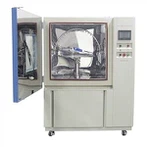
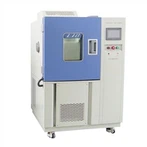
Solar test chambers are essential for assessing how well solar panels and associated components work and hold up in different types of weather. To provide accurate and trustworthy test findings, these chambers must be properly calibrated and maintained. We'll go over the best ways to calibrate and maintain solar test chambers in this in-depth guide, so you can get the most out of them and extend their lifespan.

Understanding Solar Test Chambers
Before delving into maintenance and calibration procedures, it's important to grasp the fundamentals of solar test chambers and their significance in the renewable energy industry.
What is a Solar Test Chamber?
A solar test chamber is a specialized environmental testing equipment designed to simulate various atmospheric conditions that solar panels may encounter during their lifetime. These chambers allow manufacturers and researchers to assess the performance, durability, and reliability of solar panels and related components under controlled conditions.
Key Components of a Solar Test Chamber
Solar test chambers typically consist of several critical components, including:
- Light sources (e.g., xenon arc lamps or LED arrays)
- Temperature control systems
- Humidity control systems
- Air circulation systems
- Monitoring and control instrumentation
Importance of Proper Maintenance and Calibration
Regular maintenance and calibration of solar test chambers are vital for several reasons:
- Ensuring accurate and consistent test results
- Prolonging the lifespan of the equipment
- Minimizing downtime and unexpected repairs
- Maintaining compliance with industry standards and regulations
LIB Solar test chamber
The company is recognized as a world leader in reliability test equipment design and offers products and services of exceptional quality.
-
500 +Completed Projects500+ complete work
-
30 +Our ExpertExpert worker


Maintenance Best Practices for Solar Test Chambers
Implementing a comprehensive maintenance program is crucial for keeping your solar test chamber in optimal condition. Let's explore some key maintenance practices to incorporate into your routine.
Regular Cleaning and Inspection
Maintaining cleanliness is paramount for the proper functioning of a solar test chamber. Regular cleaning and inspection help prevent contamination and identify potential issues before they escalate.
- Clean the chamber interior and exterior surfaces using appropriate cleaning agents
- Inspect seals, gaskets, and door mechanisms for wear or damage
- Check and clean air filters regularly
- Examine light sources for any signs of degradation or discoloration
Monitoring and Maintaining Environmental Systems
The environmental control systems in a solar test chamber require regular attention to ensure they function optimally.
- Check and calibrate temperature and humidity sensors
- Inspect and clean cooling coils and heating elements
- Verify the proper functioning of air circulation fans
- Monitor refrigerant levels and check for any leaks
Light Source Maintenance
The light sources in solar test chambers are critical components that require special attention:
- Follow manufacturer guidelines for lamp replacement intervals
- Clean reflectors and filters regularly
- Monitor lamp intensity and spectral output
- Check and maintain power supplies and cooling systems for light sources
Calibration Procedures for Solar Test Chambers
Calibration is a crucial aspect of maintaining the accuracy and reliability of solar test chambers. Let's explore the key calibration procedures that should be performed regularly.
Temperature Calibration
Accurate temperature control is essential for simulating real-world conditions in solar test chambers. To ensure precise temperature measurements:
- Use certified reference thermometers to verify chamber temperature
- Perform multi-point calibration across the chamber's operating range
- Adjust temperature controllers and sensors as necessary
- Document calibration results and maintain records for traceability
Humidity Calibration
Proper humidity control is crucial for simulating various atmospheric conditions. To calibrate humidity systems:
- Use certified humidity standards or reference hygrometers
- Perform calibration at multiple humidity levels
- Adjust humidity sensors and control systems as needed
- Verify the stability of humidity levels over time
Light Intensity and Spectral Calibration
Accurate light sources are essential for simulating solar radiation. To calibrate light systems:
- Use spectroradiometers to measure light intensity and spectral distribution
- Compare measurements against standard reference lamps
- Adjust lamp power and filtering systems as necessary
- Perform regular checks on uniformity of light distribution
Advanced Maintenance and Calibration Techniques
To further enhance the performance and reliability of your solar test chamber, consider implementing these advanced techniques.
Preventive Maintenance Scheduling
Developing a comprehensive preventive maintenance schedule can help minimize downtime and extend the life of your solar test chamber:
- Create a detailed maintenance calendar based on manufacturer recommendations
- Schedule regular inspections and maintenance tasks
- Implement a system for tracking maintenance history and upcoming tasks
- Train staff on proper maintenance procedures and documentation
Data Logging and Analysis
Utilizing data logging and analysis tools can provide valuable insights into the performance of your solar test chamber:
- Implement automated data logging systems for key parameters
- Analyze trends in temperature, humidity, and light intensity over time
- Use statistical process control techniques to identify deviations
- Generate reports to track chamber performance and calibration history
Remote Monitoring and Diagnostics
Incorporating remote monitoring and diagnostic capabilities can enhance the efficiency of your maintenance efforts:
- Install remote monitoring systems to track chamber performance in real-time
- Implement alerts for out-of-spec conditions or potential issues
- Utilize remote diagnostic tools for troubleshooting and support
- Enable remote software updates and parameter adjustments
Troubleshooting Common Issues in Solar Test Chambers
Even with proper maintenance and calibration, solar test chambers may occasionally experience issues. Being prepared to address common problems can help minimize downtime and ensure consistent performance.
Temperature Control Problems
If you encounter temperature control issues in your solar test chamber:
- Check for proper functioning of heating and cooling systems
- Verify the accuracy of temperature sensors
- Inspect insulation and seals for any damage or leaks
- Evaluate the performance of air circulation systems
Humidity Control Challenges
When facing difficulties with humidity control:
- Examine water supply and drainage systems for any blockages
- Check humidity sensors for accuracy and proper calibration
- Inspect humidification and dehumidification components
- Verify the integrity of chamber seals to prevent moisture ingress
Light Source Irregularities
If you notice issues with light sources in your solar test chamber:
- Check for lamp aging or failure
- Inspect power supplies and control systems
- Verify proper functioning of cooling systems for light sources
- Examine reflectors and filters for damage or degradation
Conclusion
Proper maintenance and calibration of solar test chambers are essential for ensuring accurate and reliable testing of solar panels and related components. By following the best practices outlined in this guide, you can maximize the performance, longevity, and reliability of your solar test chamber. Regular cleaning, inspection, and calibration, combined with advanced maintenance techniques and troubleshooting knowledge, will help you achieve consistent and trustworthy test results.
For more information about our solar test chambers and expert guidance on maintenance and calibration procedures, please don't hesitate to contact us at info@libtestchamber.com. Our team of specialists is ready to assist you in optimizing your solar testing processes and ensuring the longevity of your equipment.
References
1. Smith, J.A. (2021). "Solar Test Chamber Maintenance: A Comprehensive Guide." Journal of Environmental Testing, 45(3), 256-272.
2. Brown, M.R., & Johnson, L.K. (2020). "Calibration Techniques for Solar Simulation Equipment." Renewable Energy Testing Quarterly, 18(2), 89-105.
3. Chen, X., et al. (2019). "Advanced Maintenance Strategies for Environmental Test Chambers." International Journal of Test Equipment Management, 7(4), 412-428.
4. Davis, E.M. (2022). "Troubleshooting Common Issues in Solar Panel Testing Equipment." Solar Energy Research and Development, 33(1), 67-83.
5. Wilson, R.T., & Thompson, K.L. (2020). "Best Practices for Light Source Calibration in Solar Test Chambers." Journal of Photovoltaic Testing, 12(3), 178-195.
6. Lee, S.H., et al. (2021). "Data-Driven Approaches to Solar Test Chamber Maintenance and Calibration." Smart Manufacturing for Renewable Energy, 9(2), 301-317.