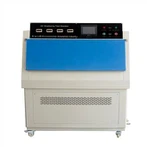
Sand and dust chamber tests are crucial in evaluating the durability and performance of materials and products exposed to harsh environments. These tests simulate real-world conditions to ensure that items can withstand dust, sand, and other particulate matter. Understanding the requirements for test conditions is essential for accurate and reliable results. In this blog, we'll explore the key aspects of sand and dust chamber tests, including environmental conditions, testing procedures, and safety considerations.
What Environmental Conditions are Required for Sand and Dust Chamber Tests?
Temperature and Humidity
The environmental conditions within the sand and dust chamber must closely mimic the real-world scenarios the tested product will face. Temperature and humidity are critical factors that can significantly influence test results.
- Temperature Range: The chamber should be capable of maintaining a wide range of temperatures, typically from -40°C to 85°C, depending on the specific requirements of the test.
- Humidity Control: Although sand and dust tests primarily focus on particulate exposure, controlling humidity can be essential for certain tests, especially when simulating desert conditions where both high temperatures and low humidity prevail.
Airflow and Particulate Concentration
Consistent airflow and the concentration of sand and dust particles are vital to replicating real-life conditions accurately.
- Airflow Speed: The chamber must maintain a specific airflow speed, usually between 1.5 to 10 meters per second, to ensure uniform distribution of particles.
- Particle Concentration: The concentration of sand and dust should be consistent throughout the sand and dust chamber. Standard tests often specify particle sizes ranging from 1 to 150 micrometers and concentrations from 10 to 1000 grams per cubic meter.
Particulate Types and Sources
The type of particulate matter used in the tests can vary based on the product being tested and the intended real-world environment.
- Sand Particles: Typically sourced from natural silica sand, the particles should have a defined size distribution.
- Dust Particles: Dust can include a variety of materials such as talcum powder, Arizona dust, and other fine particulates.
How is the Testing Procedure Conducted in a Sand and Dust Chamber?
Preparation and Calibration
Before starting the test, proper preparation and calibration of the chamber are essential.
- Equipment Setup: Ensure all equipment, including fans, heaters, and particle feeders, are correctly installed and functioning.
- Calibration: Calibrate sensors and monitoring devices to accurately measure temperature, humidity, airflow, and particulate concentration.
Test Execution
Executing the test involves several critical steps to ensure accuracy and reliability.
- Test Specimen Placement: Position the test specimens within the sand and dust chamber to ensure uniform exposure to sand and dust.
- Test Duration: The duration of the test can vary based on specific standards but typically ranges from a few hours to several days.
- Monitoring: Continuously monitor environmental conditions and particulate concentration throughout the test to ensure they remain within specified parameters.
Post-Test Evaluation
After the test, a thorough evaluation of the specimens is necessary to assess the impact of sand and dust exposure.
- Visual Inspection: Conduct a detailed visual inspection to identify any visible damage or degradation.
- Functional Testing: Perform functional tests on the specimens to check for any operational issues caused by particulate exposure.
- Documentation: Record all findings, including environmental conditions during the test, and any observed effects on the specimens.
What Safety Considerations are Necessary for Sand and Dust Chamber Tests?
Operator Safety
Ensuring the safety of personnel conducting sand and dust chamber tests is crucial for a secure testing environment.
- Protective Gear: Operators must be equipped with appropriate protective gear, such as respirators, gloves, and safety goggles. This gear helps safeguard against inhalation and skin contact with potentially harmful particulates.
- Training: Comprehensive training on the operation of the chamber and the handling of test materials is essential. This training reduces the risk of accidents and ensures that operators understand safety protocols.
Equipment Maintenance
Regular maintenance and upkeep of the sand and dust chamber are essential for safe and effective testing.
- Routine Checks: Conduct regular inspections and maintenance checks on all chamber components, including fans, heaters, and particle feeders. This preventive maintenance minimizes the risk of equipment failure during tests.
- Cleanliness: Maintain cleanliness within the chamber to prevent the accumulation of residual dust and particulates. A clean environment ensures consistent testing conditions and reduces potential hazards.
Environmental Safety
Considering the environmental impact of sand and dust chamber tests is crucial for sustainable testing practices.
- Dust Collection: Employ efficient dust collection systems within the chamber to capture and contain particulates generated during tests. Effective filtration systems prevent the release of dust into the surrounding environment, maintaining air quality.
- Waste Disposal: Properly dispose of any waste materials generated during testing in accordance with environmental regulations. Responsible waste management practices minimize environmental impact and ensure compliance with legal standards.
Conclusion
Sand and dust chamber tests play a vital role in ensuring the durability and performance of products exposed to harsh environments. By understanding and adhering to the requirements for test conditions, including environmental parameters, testing procedures, and safety considerations, you can achieve accurate and reliable results.
For more information about Sand and Dust Chambers or to discuss your testing needs, please contact us at info@libtestchamber.com.
References
1. ASTM D1735-14, Standard Practice for Testing Water Resistance of Coatings Using Water Fog Apparatus. ASTM International.
2. IEC 60529:2013, Degrees of protection provided by enclosures (IP Code). International Electrotechnical Commission.
3. MIL-STD-810H, Environmental Engineering Considerations and Laboratory Tests. U.S. Department of Defense.
4. ISO 20653:2013, Road vehicles -- Degrees of protection (IP code) -- Protection of electrical equipment against foreign objects, water and access.
5. "Environmental testing techniques for electronic and electrical products: Part 2-68: Tests -- Test L: Dust and sand test (IEC 60529)". International Electrotechnical Commission.
6. ETSI EN 302 637-2-2 V1.4.1, Environmental Engineering (EE): Radiated electromagnetic field immunity test for measuring equipment in road vehicles. European Telecommunications Standards Institute.
7. IEC 60068-2-68:1994, Environmental testing - Part 2: Tests - Test L: Dust and sand test.
8. IEC 60529:2013, Degrees of protection provided by enclosures (IP code).
9. MIL-STD-810H, Environmental Engineering Considerations and Laboratory Tests.
10. ASTM D1735-14, Standard Practice for Testing Water Resistance of Coatings Using Water Fog Apparatus