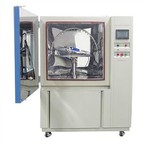
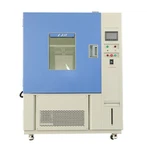
In the world of manufacturing and industrial processes, the industry oven plays a crucial role. These specialized ovens are designed to handle various applications, ranging from drying and curing to baking and heat treatment. But what exactly does an industry oven do, and why is it so vital in these settings? Let's dive into the world of industry ovens to understand their functions, benefits, and applications.
What Are the Key Functions of an Industry Oven?
Industry ovens are versatile machines used in numerous industrial processes. Here are some of the primary functions they perform:
Drying and Dehydration
One of the most common uses of an industry oven is drying. This process involves removing moisture from materials, which is essential in various manufacturing sectors. For instance, in the food industry, industry ovens are used to dehydrate fruits, vegetables, and other food products to extend their shelf life. Similarly, in the pharmaceutical sector, drying ovens are crucial for removing solvents from drugs and other chemical compounds.
Drying with an industry oven ensures uniform moisture removal, which is critical for maintaining product quality and consistency. These ovens are designed to provide precise temperature control and even heat distribution, making them ideal for drying tasks that require specific conditions.
Curing and Hardening
Curing is another essential function of an industry oven. This process involves hardening or setting materials using heat, which is commonly used in the production of coatings, adhesives, and composites. For example, in the automotive and aerospace industries, industry ovens cure paints and coatings, ensuring they adhere properly and provide the desired protective and aesthetic properties.
The curing process typically requires maintaining a specific temperature for a set duration, which industry ovens are well-equipped to handle. These ovens can be programmed to achieve the precise conditions needed for curing, resulting in durable and high-quality finished products.
Heat Treatment and Annealing
Heat treatment is a process used to alter the physical and sometimes chemical properties of a material, often to increase its strength, hardness, or ductility. Industry ovens are integral to this process, providing the controlled environment necessary for heating and cooling cycles.
Annealing, a specific type of heat treatment, involves heating a material to a specific temperature and then slowly cooling it. This process helps to reduce hardness, increase ductility, and relieve internal stresses in metals. Industry ovens used for annealing must maintain consistent temperatures and controlled atmospheres to achieve the desired material properties.
What Are the Benefits of Using an Industry Oven?
Industry ovens offer several advantages that make them indispensable in manufacturing and industrial processes. Here are some of the key benefits:
Precision and Control
Modern industry ovens are equipped with advanced control systems that allow precise regulation of temperature, humidity, and airflow. This level of control ensures that processes like drying, curing, and heat treatment are carried out under optimal conditions, leading to consistent and high-quality results.
For instance, in the electronics industry, where components must be dried to exact specifications, industry ovens provide the necessary precision to avoid defects and ensure reliability. The ability to program and monitor the oven's parameters is crucial for achieving repeatable and reliable outcomes.
Efficiency and Uniformity
Efficiency is a significant advantage of using industry ovens. These ovens are designed to maximize energy usage, often incorporating features like insulation and advanced heating elements to reduce energy consumption. This efficiency translates to cost savings and a reduced environmental footprint.
Uniformity is equally important, especially in processes that require even heat distribution. Industry ovens are built to maintain consistent temperatures throughout the chamber, ensuring that all parts of the material or product are processed uniformly. This uniformity is vital for applications like curing coatings or heat-treating metals, where any temperature variation can lead to defects.
Versatility and Adaptability
Industry ovens are highly versatile and can be adapted to a wide range of applications. They come in various sizes and configurations, including batch ovens, conveyor ovens, and continuous ovens, to suit different production needs. This adaptability makes them suitable for diverse industries, from food processing and pharmaceuticals to aerospace and electronics.
The ability to customize industry ovens for specific processes enhances their versatility. Manufacturers can select features like programmable controls, specialized racks, and custom airflow designs to meet their unique requirements, making industry ovens a valuable asset in any production environment.
What Are Common Applications of Industry Ovens?
Industry ovens find applications across various sectors due to their versatility and effectiveness. Here are some common applications:
Food and Beverage Industry
In the food and beverage industry, industry ovens are used for baking, drying, and curing processes. They help in the production of baked goods, dried fruits, snacks, and other food products that require precise temperature control and consistent results. The ability to remove moisture and achieve specific textures and flavors makes industry ovens indispensable in this sector.
For example, baking ovens are used to produce bread and pastries, while drying ovens dehydrate fruits and vegetables, extending their shelf life and preserving nutritional value. The precise control offered by industry ovens ensures that these processes meet food safety and quality standards.
Pharmaceutical and Chemical Industries
Industry ovens play a critical role in the pharmaceutical and chemical industries for drying and curing applications. They are used to remove solvents from pharmaceutical compounds, ensuring the stability and purity of the final products. In chemical manufacturing, industry ovens cure resins, adhesives, and other materials, enhancing their performance and durability.
The stringent requirements of these industries demand industry ovens that can maintain exact temperatures and provide uniform heat distribution. This precision is essential for producing safe and effective pharmaceuticals and high-quality chemical products.
Automotive and Aerospace Industries
In the automotive and aerospace industries, industry ovens are essential for curing paints, coatings, and composite materials. They ensure that these materials adhere properly and achieve the desired mechanical and protective properties. Additionally, industry ovens are used for heat treating metal components, enhancing their strength and durability.
For instance, curing ovens are used to bake coatings on car bodies, providing a durable and aesthetically pleasing finish. In aerospace, industry ovens cure composite materials used in aircraft construction, ensuring they meet stringent performance and safety standards.
Conclusion
Industry ovens are versatile and indispensable tools in numerous industrial processes. They provide the precision, efficiency, and adaptability needed for tasks like drying, curing, and heat treatment. From food processing and pharmaceuticals to automotive and aerospace applications, industry ovens ensure consistent and high-quality results, making them a vital component in modern manufacturing.
If you want to learn more about this kind of Temperature Oven, welcome to contact us at info@libtestchamber.com.
References
1. ASTM International. (n.d.). ASTM E145 - 18 Standard Specification for Gravity-Convection and Forced-Ventilation Ovens. ASTM International.
2. Chawla, K. K. (2011). Heat Treatment: Principles and Techniques (2nd ed.). New Delhi: PHI Learning Pvt. Ltd.
3. Industrial Heating Equipment Association. (2021). Industrial Oven Basics: Types and Applications.
4. Noyes, R. (Ed.). (2018). Handbook of Industrial Drying (4th ed.). Boca Raton, FL: CRC Press.
5. Pernica, D. (2019). Food Drying with an Industrial Oven. Food Technology & Biotechnology, 57(2), 193-202.
6. Zhang, Y., & Zhang, X. (Eds.). (2017). Advanced Drying Technologies (1st ed.). Hoboken, NJ: Wiley.