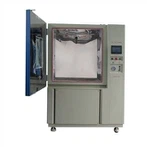
In the pharmaceutical industry, the need for precise and controlled environmental conditions is paramount. This is where walk-in chambers come into play. A walk-in test chamber, specifically designed for the pharma sector, is a critical piece of equipment that allows for rigorous testing and quality assurance of pharmaceutical products. These chambers simulate various environmental conditions to ensure that drugs and other products maintain their efficacy and safety throughout their shelf life.

Why Are Walk-In Chambers Essential in Pharmaceuticals?
Walk-in chambers are indispensable in the pharmaceutical industry for several reasons. These chambers provide a controlled environment where temperature, humidity, and other conditions can be meticulously managed. Here are some key reasons why they are essential:
Stability Testing
One of the primaries uses of a walk-in test chamber is stability testing. This involves assessing how pharmaceutical products react to different environmental conditions over time. Stability testing is crucial for determining the shelf life of a product and ensuring it remains effective and safe for consumers.
Regulatory Compliance
Pharmaceutical companies must comply with strict regulatory standards set by authorities such as the FDA (Food and Drug Administration) and EMA (European Medicines Agency). Walk-in chambers help ensure that products meet these standards by providing a consistent environment for testing.
Quality Assurance
Quality assurance is a critical aspect of pharmaceutical manufacturing. Walk-in test chambers enable companies to test their products under various conditions, ensuring that they maintain their quality and effectiveness throughout their lifecycle.
How Do Walk-In Chambers Work?
Understanding how walk-in chambers function is crucial for appreciating their role in the pharmaceutical industry. These chambers are designed to create specific environmental conditions that can be adjusted and controlled with high precision.
- Temperature Control
Walk-in test chambers are equipped with advanced temperature control systems that can simulate a wide range of temperatures. This is essential for testing how pharmaceutical products respond to different thermal conditions, which can affect their stability and efficacy.
- Humidity Control
In addition to temperature, humidity is a critical factor in stability testing. Walk-in chambers can regulate humidity levels to simulate various climates, ensuring that products are tested under realistic conditions.
- Data Monitoring and Recording
Modern walk-in chambers come with sophisticated monitoring systems that record data continuously. This data is vital for analyzing how products perform over time and under different conditions. It also provides documentation for regulatory compliance and quality assurance purposes.
What Are the Benefits of Using Walk-In Chambers in Pharma?
The use of walk-in test chambers offers numerous benefits to pharmaceutical companies, contributing to the overall quality and reliability of their products.
- Enhanced Product Safety
By rigorously testing products under different conditions, pharmaceutical companies can ensure that their products remain safe for consumers. Walk-in test chambers play a crucial role in identifying potential issues before products reach the market.
- Improved Product Efficacy
Ensuring that pharmaceutical products retain their efficacy throughout their shelf life is essential. Walk-in chambers help in verifying that products continue to perform as intended, even after extended periods.
- Cost Savings
Detecting issues early in the development process can save companies significant amounts of money. Walk-in chambers allow for comprehensive testing that can identify potential problems before they become costly recalls or legal issues.
- Regulatory Approval
Achieving regulatory approval is a critical step for any pharmaceutical product. Walk-in chambers help ensure that products meet the stringent requirements set by regulatory bodies, facilitating smoother approval processes.
What Factors Should You Consider When Choosing the Right Walk-In Chamber for Pharmaceutical Applications?
Selecting the appropriate walk-in test chamber for your pharmaceutical needs is crucial. There are several factors to consider to ensure that the chamber meets your specific requirements.
- Size and Capacity
The size of the walk-in test chamber is paramount. It should be spacious enough to accommodate the volume of products you intend to test, both now and in the foreseeable future. Consider the dimensions and internal layout to ensure efficient use of space without compromising on testing capacity.
- Control Systems
Advanced control systems are essential for precise regulation of environmental conditions such as temperature, humidity, and possibly light exposure. Look for chambers equipped with programmable controllers that allow you to set and monitor these parameters accurately. This capability is crucial for replicating specific environmental conditions required for stability testing and other pharmaceutical assessments.
- Reliability and Durability
The reliability and durability of the walk-in test chamber is critical considerations. Invest in a chamber known for its robust construction and dependable performance over extended periods. Research the reputation of the manufacturer and read customer reviews to gauge reliability factors such as temperature uniformity, mechanical integrity, and long-term performance under continuous operation.
- Support and Service
Operation for a supplier that offers comprehensive customer support and maintenance services. Regular maintenance is vital to ensure the chamber operates optimally and accurately throughout its lifecycle. Choose a supplier known for prompt service responses and availability of spare parts, which are essential for minimizing downtime and ensuring consistent testing operations.
Conclusion
In the pharmaceutical industry, ensuring the quality, safety, and efficacy of products is paramount. Walk-in test chambers are indispensable tools that help achieve these goals by providing controlled environments for rigorous testing. From stability testing to regulatory compliance and quality assurance, these chambers play a vital role in the development and production of pharmaceutical products. By investing in the right walk-in chamber, pharmaceutical companies can enhance their product testing processes, ensuring that their products meet the highest standards of quality and reliability.
If you want to learn more about this kind of Walk-In Test Chamber, welcome to contact us info@libtestchamber.com.
References
1. ICH Harmonised Tripartite Guideline. (2003). Stability Testing of New Drug Substances and Products (Q1A(R2)).
2. FDA. (2020). Guidance for Industry: Q1A(R2) Stability Testing of New Drug Substances and Products. U.S. Department of Health and Human Services, Food and Drug Administration.
3. European Medicines Agency (EMA). (2019). Guideline on Stability Testing: Stability Testing of Existing Active Substances and Related Finished Products (CPMP/QWP/122/02 Rev 1 Corr).
4. PDA Technical Report No. 39. (2007). Guidance for Temperature-Controlled Medicinal Products: Maintaining the Quality of Temperature-Sensitive Medicinal Products Through the Transportation Environment. Parenteral Drug Association (PDA).
5. ASTM International. (2021). ASTM E171: Standard Practice for Conditioning and Testing Flexible Barrier Materials.
6. USP. (2020). General Chapter <1090> Pharmaceutical Dosage Forms. United States Pharmacopeial Convention.
7. ICH Harmonised Tripartite Guideline. (2005). Quality Risk Management (Q9).
8. European Pharmacopoeia (Ph. Eur.). (2020). 2.9.1. Sterility of Pharmaceutical Preparations. European Directorate for the Quality of Medicines & HealthCare.
9. ISO Standards. (2021). ISO 9001:2015 Quality management systems - Requirements. International Organization for Standardization.