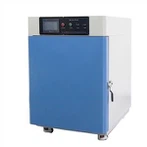
Altitude test chambers, also known as altitude chambers, play a crucial role in various industries by simulating high-altitude conditions. These chambers are essential tools for testing the performance, reliability, and safety of products and materials under low-pressure environments. In this blog, we will explore the primary uses of altitude chambers, their importance in different fields, and how they contribute to the advancement of technology and safety.
|
|
|


Understanding Altitude Test Chambers
Altitude test chambers, also known as hypobaric chambers, are specialized environmental chambers designed to replicate the atmospheric conditions found at various high altitudes. These chambers can simulate altitudes from sea level up to the stratosphere, creating a controlled environment for testing the effects of altitude on different materials and devices. By manipulating parameters such as temperature, humidity, and pressure, altitude test chambers offer a comprehensive testing solution for industries ranging from aerospace and automotive to electronics and pharmaceuticals. The key features of altitude test chambers include:
Pressure Control
The primary feature of altitude test chambers is their ability to control atmospheric pressure. These chambers can decrease pressure to simulate high-altitude conditions or increase it to mimic low-altitude environments.
Temperature Regulation
Altitude test chambers can also regulate temperature to match the conditions found at various altitudes. This feature is essential for understanding how temperature fluctuations at different altitudes can affect the performance and durability of products.
Humidity Control
Maintaining appropriate humidity levels is another critical aspect of altitude testing. By controlling humidity, these chambers can simulate dry conditions found at high altitudes or more humid environments at lower altitudes.
Simulating Rapid Ascent and Descent
Some altitude test chambers are equipped to simulate rapid changes in altitude, mimicking the conditions experienced during takeoff and landing in aircraft.
Altitude test chambers can be used in different industries, including aerospace, automotive, and electronics and materials industries.
LIB Environmental Altitude Test Chamber – Performance-Driven Advantages
Outstanding Pressure Reduction & Rapid Response
The integrated high-capacity vacuum system reduces the chamber pressure from standard atmospheric pressure to as low as 0.5 kPa (approx. 1/200 of standard atmosphere) in under 30 minutes, meeting stringent low-pressure testing demands.
Precise Thermal Control & Efficient Testing Conditions
With a temperature control range of −40 °C to +150 °C, the chamber ensures temperature fluctuation ≤ ± 0.5 °C, deviation ≤ ± 2.0 °C, and uniformity ≤ 2.0 °C (under normal pressure without load), providing a stable environment for temperature-sensitive devices. The cable hole is provided to supply power to the test specimen.
 |
 |
| Sensor | Cable hole |
Fast Heating & Cooling Dynamics
Heating occurs at 3 °C/min and cooling at 2 °C/min, enabling swift temperature transitions to accelerate testing cycles and significantly improve experimental efficiency.
Remote Monitoring & Multilingual Interface Support
The controller displays temperature, humidity, and pressure, supports multiple languages, and allows USB data export, facilitating remote monitoring and data management-ideal for global R&D teams.
|
|
 |
| Workroom | Controller |

Energy-Saving & Eco-Friendly Operation
Featuring an automatic compressor start/stop mechanism via a mechanical refrigeration system for energy savings, using environment-friendly refrigerants, and incorporating water recycling and purification systems-substantially reducing operational costs and environmental impact.
Safety-Focused Design for Enhanced Stability
Electrical and water systems are fully separated, with built-in fault alarms; the chamber's three-layer structure-including inner and outer steel plates plus a middle channel-steel insulation layer-provides robust structural support and thermal insulation, enhancing safety and durability.
Mobility & User Convenience
Equipped with four heavy-duty casters for easy repositioning; the viewing window is specially sized for pressure resistance while ensuring visibility during tests.
Aerospace and Defense Testing
In the aerospace and defense industries, altitude test chambers are vital for ensuring the safety and reliability of aircraft, spacecraft, and military equipment. These industries operate in environments where extreme conditions are the norm, and altitude chambers help simulate these conditions for rigorous testing.
Aircraft and Spacecraft Testing
- Performance Evaluation: Altitude chambers simulate high-altitude conditions to test the performance of aircraft and spacecraft components, such as engines, avionics, and materials. This helps in assessing how these components function under reduced pressure and varying temperatures.
- Safety Checks: Safety is paramount in aerospace. Altitude chambers are used to test emergency systems, such as oxygen masks and pressurization systems, ensuring they function correctly at high altitudes.
Military Equipment Testing
- Durability and Reliability: Military equipment, including drones, missiles, and communication devices, must withstand extreme conditions. Altitude test chambers are used to test their durability and reliability under high-altitude and low-pressure environments.
- Operational Readiness: Testing military equipment in simulated high-altitude conditions ensures that it performs optimally in real-world scenarios, where altitude can affect functionality.
Automotive Industry Applications
The automotive industry also benefits significantly from altitude test chambers. As vehicles are increasingly designed to operate in diverse environments, it is essential to ensure they perform well under all conditions, including high altitudes.
Engine Performance Testing
- Altitude Effects on Engines: High altitudes can affect engine performance due to changes in air density and pressure. Altitude chambers allow manufacturers to test engines under these conditions to ensure they maintain performance and efficiency.
- Emission Control: Emission standards vary across regions, and altitude can impact a vehicle's emissions. Altitude chambers help in testing and optimizing emission control systems to meet regulatory requirements in different markets.
Vehicle Component Testing
- Battery and Electrical Systems: Electric and hybrid vehicles rely heavily on battery and electrical systems. Altitude chambers are used to test these systems' performance and durability under varying altitude conditions.
- Material Testing: Automotive materials, such as rubber, plastics, and metals, can behave differently at high altitudes. Testing these materials in altitude chambers ensures they maintain integrity and performance in diverse conditions.
Electronics and Material Testing
Altitude test chambers are not limited to aerospace and automotive applications; they are also crucial in the electronics and material testing industries. These chambers help in evaluating the performance and reliability of electronic components and materials under high-altitude conditions.
Electronic Component Testing
- Circuit Board Testing: Altitude chambers are used to test printed circuit boards (PCBs) and other electronic components for performance and reliability at high altitudes. This is especially important for devices used in aviation, space exploration, and defense.
- Heat Dissipation: Electronic components generate heat during operation. Altitude chambers help in testing how these components dissipate heat under low-pressure conditions, ensuring they do not overheat or malfunction.
Material Testing
- Polymer and Composite Materials: Altitude chambers are used to test the properties of polymers and composite materials under high-altitude conditions. This is important for industries such as aerospace and automotive, where these materials are used extensively.
- Corrosion Testing: Materials exposed to high-altitude conditions can be susceptible to corrosion. Altitude chambers help in testing the corrosion resistance of metals and other materials, ensuring their longevity and reliability.
Conclusion
Altitude test chambers are indispensable tools across various industries, ensuring the safety, reliability, and performance of products and materials under high-altitude conditions. From aerospace and defense to automotive and electronics, these chambers play a critical role in advancing technology and maintaining high standards of quality and safety. By simulating extreme environments, altitude test chambers help manufacturers and researchers push the boundaries of innovation and ensure their products perform optimally in all conditions.
If you want to learn more about this kind of Altitude Test Chamber, welcome to contact us info@libtestchamber.com.