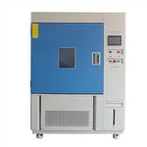
Stability test chambers are a cornerstone in various industries, particularly pharmaceuticals, cosmetics, and food production. These chambers play a vital role in ensuring the longevity and safety of products by simulating environmental conditions like temperature, humidity, and light. In this blog, we will explore the underlying principles that govern the operation of stability chambers, their importance, and how they contribute to quality assurance across different sectors.

Understanding Stability Test Chambers
The Core Functionality of Stability Chambers
Stability chambers are meticulously designed to create controlled environments that mimic specific conditions a product might encounter over time. This simulation helps manufacturers predict how products will behave in various climates, ensuring they remain effective and safe for consumers.
- Temperature Control: The temperature within a stability chamber is carefully regulated to maintain a consistent environment. This is crucial for testing how products react to heat or cold over time. A stability test chamber usually operates within a wide range of temperatures, often from -20 °C to 60 °C or higher, depending on the product's requirements.
- Humidity Regulation: Humidity is another critical factor that can affect a product's stability. Stability chambers are equipped with advanced humidification systems to simulate conditions ranging from arid to highly humid environments. This ensures that the product's performance is evaluated under various moisture levels.
- Light Exposure: For products sensitive to light, such as pharmaceuticals, light exposure testing is essential. Stability chambers often include lighting systems that replicate the intensity and spectrum of natural light, helping to assess the effects of light on product stability.
The Importance of Uniformity and Precision
The accuracy and uniformity of environmental conditions within a stability chamber are paramount. Without precise control, the data obtained could be misleading, leading to incorrect conclusions about a product's shelf life or stability.
- Uniformity in Testing: Stability chambers are engineered to ensure that the conditions within the chamber are consistent throughout. This uniformity is achieved through advanced circulation systems that evenly distribute temperature and humidity, eliminating any potential hot or cold spots that could skew results.
- Precision in Control: Modern stability test chambers are equipped with sophisticated control systems that allow for precise adjustments to temperature, humidity, and light. This level of precision is crucial for replicating real-world conditions and obtaining reliable data on product stability.
Compliance with Regulatory Standards
Industries that use stability test chambers must adhere to stringent regulatory guidelines. These regulations ensure that products meet specific safety and efficacy standards before reaching the market.
- Pharmaceutical Regulations: The pharmaceutical industry, in particular, follows rigorous guidelines set by regulatory bodies like the FDA and ICH. These guidelines dictate the specific conditions under which stability testing must be conducted, including temperature, humidity, and duration of testing.
- Quality Assurance: Stability chambers are integral to a company's quality assurance process. By conducting thorough stability testing, companies can identify potential issues with product formulation or packaging, ensuring that only high-quality products reach consumers.
The Role of Stability Chambers in Product Development
Enhancing Product Shelf Life
One of the primary purposes of stability testing is to determine a product's shelf life. By subjecting products to accelerated and real-time stability testing, manufacturers can predict how long a product will remain effective and safe for use.
- Accelerated Testing: Stability chambers are often used to conduct accelerated testing, where products are exposed to extreme conditions to speed up the aging process. This helps manufacturers quickly identify potential stability issues and make necessary adjustments to the product formulation or packaging.
- Real-Time Testing: Real-time stability testing involves evaluating a product under normal storage conditions over an extended period. This provides a more accurate representation of how the product will perform throughout its intended shelf life.
- Predictive Modeling: Data obtained from stability testing can be used to create predictive models that estimate a product's shelf life under various conditions. This information is invaluable for ensuring that products remain effective and safe until they reach the end user.
Impact on Product Formulation
Stability test chambers also play a critical role in the formulation of new products. By testing different formulations under controlled conditions, manufacturers can determine which ingredients and concentrations yield the most stable product.
- Formulation Testing: During the development phase, stability chambers are used to test multiple formulations of a product to identify the most stable and effective combination of ingredients. This process helps in refining the product before it reaches the market.
- Ingredient Compatibility: Stability testing can reveal potential incompatibilities between ingredients that may not be evident during initial formulation. By identifying these issues early, manufacturers can modify the formulation to improve product stability.
- Packaging Evaluation: The type of packaging used can significantly impact a product's stability. Stability chambers allow manufacturers to test various packaging options to determine which provides the best protection against environmental factors like moisture and light.
Ensuring Consistency in Production
Consistency is key in manufacturing, especially for products that must meet specific quality standards. Stability chambers help ensure that each batch of product produced meets the same high standards, providing consumers with reliable and safe products.
- Batch-to-Batch Consistency: By conducting stability testing on multiple batches, manufacturers can ensure that each batch meets the same quality standards. This is particularly important for products like pharmaceuticals, where consistency is crucial for efficacy and safety.
- Quality Control: Stability testing is an essential part of the quality control process. By regularly testing products throughout their shelf life, manufacturers can detect any deviations from the expected stability profile and take corrective action as needed.
- Regulatory Compliance: Regular stability testing also ensures that products remain compliant with regulatory standards throughout their shelf life. This helps prevent costly recalls and ensures that consumers receive safe and effective products.
The Future of Stability Testing
Advances in Stability Chamber Technology
The technology behind stability test chambers continues to evolve, with new advancements aimed at improving efficiency, accuracy, and data collection.
- Smart Chambers: The integration of IoT (Internet of Things) technology into stability chambers allows for real-time monitoring and data collection. This enables manufacturers to track conditions and adjust remotely, improving the efficiency of the testing process.
- Automation: Automation is playing an increasingly important role in stability testing. Automated stability chambers can perform tests with minimal human intervention, reducing the risk of errors and improving the consistency of results.
- Energy Efficiency: As environmental concerns grow, manufacturers are seeking ways to make stability chambers more energy-efficient. Advances in insulation and temperature control technology are helping to reduce the energy consumption of these chambers, making them more sustainable.
Challenges and Considerations in Stability Testing
While stability chambers offer numerous benefits, there are also challenges and considerations that manufacturers must keep in mind.
- Cost of Testing: Stability testing can be expensive, particularly for companies that produce a wide range of products. The cost of maintaining and operating stability chambers, as well as the time required to conduct thorough testing, can be significant.
- Data Management: The vast amount of data generated during stability testing can be challenging to manage. Manufacturers must have robust data management systems in place to store, analyze, and retrieve data as needed.
- Regulatory Compliance: Staying up to date with regulatory requirements is essential for companies that use stability chambers. As regulations evolve, manufacturers must ensure that their testing processes remain compliant to avoid penalties and ensure product safety.
Conclusion
Stability test chambers are an indispensable tool for industries that prioritize product safety and efficacy. By simulating environmental conditions, these chambers help manufacturers predict how products will behave over time, ensuring they remain stable, effective, and safe for consumers. As technology advances, stability chambers will continue to play a critical role in product development, quality control, and regulatory compliance.
For more information about stability test chambers and how they can benefit your business, please contact us at info@libtestchamber.com.
References
1. Principles and Applications of Stability Chambers in the Pharmaceutical Industry
2. The Role of Stability Testing in Product Development
3. Advances in Stability Chamber Technology: An Overview
4. Impact of Environmental Conditions on Product Shelf Life
5. Regulatory Guidelines for Stability Testing in Pharmaceuticals
6. Energy Efficiency in Stability Test Chambers: Current Trends