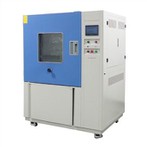
Absolutely! The ASTM G85 salt and SO2 spray test chamber is an invaluable tool for evaluating the performance of coatings and paints under corrosive conditions. This specialized chamber simulates harsh environments by combining salt spray and sulfur dioxide exposure, providing a comprehensive assessment of material durability. Manufacturers and researchers in the coatings' industry rely on this test method to evaluate corrosion resistance, adhesion properties, and overall protective capabilities of various coating systems.
The Working Principle of ASTM G85 Salt And SO2 Spray Test Chamber
-
Understanding the ASTM G85 Standard
The ASTM G85 standard outlines several test procedures for evaluating corrosion resistance using modified salt spray tests. These tests incorporate various environmental factors to simulate specific corrosive conditions more accurately than traditional salt spray methods. The standard includes multiple annexes, each describing a unique test procedure tailored to different industrial applications and environmental scenarios.
-
Components of the Test Chamber
An ASTM G85 salt and SO2 spray test chamber consists of many key components that work together to create a controlled corrosive environment. These include:
- A sealed chamber to contain the corrosive atmosphere
- Spray nozzles for dispersing the salt solution
- A sulfur dioxide gas injection system
- Temperature and humidity control mechanisms
- Specimen holders or racks
- Drainage system for collecting excess solution
The chamber's design ensures uniform distribution of the corrosive mixture throughout the testing space, allowing for consistent exposure of test specimens.
-
Operational Mechanism
The ASTM G85 salt and SO2 spray test chamber operates by creating a highly corrosive environment through the following process:
- A salt solution is atomized and sprayed into the chamber, creating a fine mist.
- Sulfur dioxide gas is introduced into the chamber at controlled intervals.
- The combination of salt spray and SO2 forms a highly corrosive atmosphere.
- Temperature and humidity are maintained at specified levels throughout the test duration.
- Test specimens are exposed to this environment for predetermined periods.
This process accelerates corrosion, allowing researchers to evaluate long-term corrosion resistance in a relatively short timeframe.
Method for Coating Testing
-
Sample Preparation
Proper sample preparation is crucial for obtaining accurate and reliable results when using the ASTM G85 salt and SO2 spray test chamber for coating and paint testing. The following steps should be taken:
- Select representative test panels or specimens of the material to be evaluated.
- Clean the specimens thoroughly to remove any contaminants that could interfere with the test results.
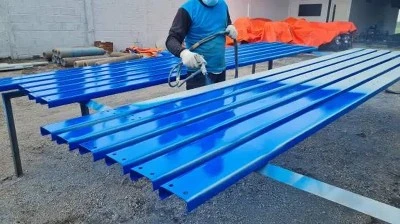
- Apply the coating or paint system according to the manufacturer's specifications, ensuring uniform thickness and coverage.
- Allow the coated specimens to cure fully under controlled conditions before testing.
- Document the initial condition of the specimens, including appearance, thickness, and any relevant physical properties.
- Careful attention to sample preparation ensures that the test results accurately reflect the performance of the coating or paint system under evaluation.
-
Test Procedure Execution
Conducting a test using the ASTM G85 salt and SO2 spray test chamber involves several key steps:
- Calibrate the chamber to ensure it meets the specifications outlined in the ASTM G85 standard.
- Prepare the salt solution according to the prescribed concentration.
- Position the prepared test specimens in the chamber, ensuring they are oriented correctly and not in direct contact with each other or the chamber walls.
- Set the chamber parameters, including temperature, humidity, salt spray duration, and SO2 gas injection intervals.
- Initiate the test cycle and monitor the chamber conditions regularly to ensure compliance with the standard.
- Periodically inspect the specimens according to the test protocol, documenting any changes in appearance or performance.
- Continue the test for the specified duration, which may range from several days to several weeks, depending on the test requirements.
- Adherence to the prescribed test procedure is essential for obtaining reliable and reproducible results.
-
Data Analysis and Interpretation
After completing the test cycle in the ASTM G85 salt and SO2 spray test chamber, the data analysis and interpretation phase begins:
- Remove the test specimens from the chamber and clean them according to the standard's guidelines.
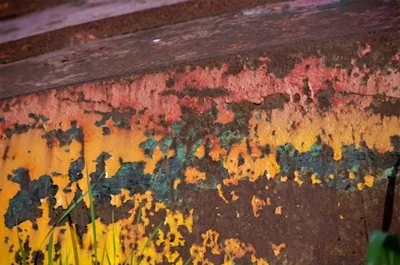
- Conduct a visual inspection of the specimens, noting any signs of corrosion, blistering, or other forms of degradation.
- Perform quantitative measurements, such as weight loss, thickness reduction, or adhesion strength, as specified by the test protocol.
- Compare the post-test results with the initial specimen condition to assess the degree of corrosion or degradation.
- Analyze the data using statistical methods to determine the average performance and variability among specimens.
- Interpret the results in the context of the specific application requirements and industry standards.
- Prepare a comprehensive report detailing the test conditions, observations, measurements, and conclusions.
- Proper data analysis and interpretation are crucial for making informed decisions about the suitability of coatings and paints for specific applications.
What Are the Advantages of Using the ASTM G85 Test Chamber for Coatings?
-
Enhanced Realism in Corrosion Testing
The ASTM G85 salt and SO2 spray test chamber offers several advantages over traditional corrosion testing methods, particularly in terms of enhanced realism:

- Multi-factor environment: By combining salt spray with sulfur dioxide exposure, the chamber simulates complex corrosive conditions more accurately than single-factor tests.
- Cyclic testing capabilities: Many ASTM G85 test procedures involve cyclic exposure to different conditions, better representing real-world environmental fluctuations.
- Accelerated aging: The harsh conditions in the chamber accelerate the corrosion process, allowing for faster evaluation of long-term performance.
- Industry-specific simulations: Different annexes of the ASTM G85 standard cater to specific industrial environments, such as automotive or marine applications.
-
Versatility in Testing Applications
The ASTM G85 test chamber demonstrates remarkable versatility in its applications for coating and paint testing:
- Material compatibility: Evaluate the compatibility of different coating systems with various substrate materials.
- Comparative studies: Conduct side-by-side comparisons of multiple coating formulations or application techniques.
- Quality control: Implement rigorous quality assurance processes to ensure consistent product performance.
- Product development: Assess new coating technologies and formulations under challenging environmental conditions.
- Failure analysis: Investigate coating failures and identify areas for improvement in existing products.
- Compliance testing: Meet industry-specific standards and regulatory requirements for corrosion resistance.
This versatility makes the ASTM G85 test chamber an indispensable tool for a wide range of industries and applications involving protective coatings and paints.
-
Cost-Effective Performance Evaluation
Utilizing the ASTM G85 salt and SO2 spray test chamber for coating and paint testing offers significant cost benefits:
- Reduced time-to-market: Accelerated testing allows for faster product development cycles and quicker time-to-market for new coatings.
- Minimized field-testing: Comprehensive laboratory evaluation reduces the need for extensive and costly field trials.
- Improved product reliability: Early identification of potential weaknesses in coating systems helps prevent costly failures in service.
- Optimized formulations: Precise performance data enables manufacturers to optimize coating formulations, potentially reducing material costs.
- Long-term cost savings: Accurate prediction of coating lifespan allows for better planning of maintenance schedules and replacement intervals.
LIB ASTM G85 Salt And SO2 Spray Test Chamber

|
Temperature Range |
Ambient ~ +60 ℃ |
|
Temperature Fluctuation |
± 0.5 ℃ |
|
Temperature Deviation |
± 2.0 ℃ |
|
Humidity Range |
95% ~ 98% RH |
|
Salt Fog Deposition |
1~2ml / 80cm2 · h |
|
Spray Type |
Continuous / Periodic |
|
Salt Fog Collected |
Fog collector and fog measure cylinder |
|
Air Preheating |
Saturated air barrel |
|
Spraying System |
Atomizer tower and Spray nozzles |
By providing a cost-effective means of evaluating coating and paint performance, the ASTM G85 test chamber helps manufacturers deliver higher-quality products while managing development and production costs.
The ASTM G85 salt and SO2 spray test chamber is an indispensable tool for testing coatings and paints, offering unparalleled insights into their corrosion resistance and durability. Its ability to simulate complex environmental conditions provides manufacturers and researchers with valuable data for product development, quality control, and compliance testing. By leveraging the chamber's enhanced realism, versatility, and cost-effectiveness, industries can develop more robust coating solutions, ultimately leading to improved product performance and longevity in challenging environments.
For more information about our ASTM G85 salt and SO2 spray test chambers and how they can benefit your coating and paint testing processes, please contact at info@libtestchamber.com. Our team of experts is ready to assist you in finding the perfect environmental testing solution for your specific needs.