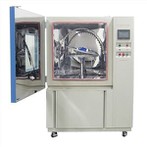
Maintaining a salt spray chamber is crucial for ensuring its longevity and accuracy in conducting corrosion tests. A well-maintained chamber not only extends its lifespan but also guarantees the reliability of your test results. In this blog, we'll walk you through the process of cleaning a salt spray chamber, covering essential steps and tips to keep your equipment in top condition.
Why is Regular Cleaning Important?
Regular cleaning of a salt spray chamber is vital for several reasons:
Accuracy
One of the most crucial reasons for regular cleaning is to ensure the accuracy of test results. Residue from previous tests can contaminate new samples, leading to skewed or inaccurate results. Salt deposits and other contaminants can accumulate on the surfaces inside the chamber, which might interfere with the test conditions and outcomes. This is particularly important in industries where precision and reliability are paramount, such as in automotive, aerospace, and electronics. Contaminated environments can result in faulty products, which could have severe implications for safety, performance, and customer satisfaction.
Longevity
Proper maintenance, including regular cleaning, can significantly extend the life of the chamber and its components. Salt spray chambers are subject to harsh conditions due to the corrosive nature of the salt solution used in tests. Over time, this can lead to wear and tear on the chamber's internal parts. Regular cleaning helps prevent the build-up of corrosive residues, which can degrade the materials and components of the chamber. By maintaining a clean environment, the chamber can operate more efficiently and have a longer service life, ultimately saving on costly repairs or replacements.
Compliance
Many testing standards and regulatory requirements mandate regular maintenance and cleaning of testing equipment to ensure consistent performance. Organizations like ASTM (American Society for Testing and Materials) and ISO (International Organization for Standardization) have specific guidelines for the maintenance of salt spray chambers. Adhering to these standards is essential for maintaining the credibility and reliability of the testing processes. Regular cleaning ensures that the chamber meets these compliance requirements, which is critical for certifications and quality assurance processes.
Health and Safety
Regular cleaning of the salt spray chamber also contributes to a safer working environment. The accumulation of salt and other residues can create hazardous conditions, such as slippery surfaces or the release of corrosive aerosols. Proper cleaning and maintenance reduce these risks, protecting the health and safety of the personnel operating the equipment.
How Do You Perform a Step-By-Step Cleaning of a Salt Spray Chamber?
Preparation and Safety Measures
Before starting the cleaning process, it's essential to take some preparatory steps to ensure safety and effectiveness.
- Gather Cleaning Supplies: Soft cloths or sponges; Mild detergent or a specialized chamber cleaning solution; Distilled water; Protective gloves and goggles
- Ensure Safety: Wear protective gloves and goggles to protect your skin and eyes from any cleaning agents or residues; Ensure the chamber is turned off and unplugged to avoid any electrical hazards.
- Empty the Chamber: Remove any test specimens and fixtures from the chamber; Drain the salt solution and rinse the chamber with distilled water to remove any remaining salt.
Cleaning the Interior
The interior of the salt spray chamber is where most of the residue accumulates. Pay extra attention to this area to ensure thorough cleaning.
- Wipe Down Surfaces: Use a soft cloth or sponge dipped in a mild detergent or specialized cleaning solution to wipe down the interior surfaces; Avoid using abrasive materials that could scratch or damage the chamber.
- Clean the Nozzles and Probes: Carefully clean the nozzles and probes to remove any salt buildup. These components are critical for the chamber's operation, so handle them with care; Use a soft brush or a gentle stream of distilled water to clean these parts.
- Rinse Thoroughly: After cleaning, rinse the interior surfaces with distilled water to remove any soap or cleaning solution residue; Ensure that no detergent remains, as it could interfere with future tests.
Exterior Maintenance
While the interior is the most critical part, the exterior of the chamber also needs attention to maintain its appearance and functionality.
- Wipe Down the Exterior: Use a damp cloth with mild detergent to clean the exterior surfaces of the chamber; Pay attention to control panels and buttons, ensuring they are free of dust and grime.
- Check for Wear and Tear: Inspect the exterior components for any signs of wear or damage; Address any issues promptly to prevent them from affecting the chamber's performance.
- Clean the Air Filters: Regularly check and clean the air filters to ensure proper airflow and prevent overheating; Replace the filters if they are damaged or excessively dirty.
What Are Some Tips for Effectively Maintaining a Salt Spray Chamber?
Maintaining your salt spray chamber goes beyond regular cleaning. Here are some additional tips to ensure optimal performance:
Regular Calibration
- Schedule regular calibration of the chamber to ensure it meets testing standards.
- Calibration helps maintain the accuracy and reliability of test results.
Monitor Humidity and Temperature
- Regularly check the humidity and temperature settings to ensure they are within the required range.
- Consistent monitoring helps in maintaining the integrity of the tests conducted.
Document Maintenance Activities
- Keep a detailed log of all maintenance activities, including cleaning, calibrations, and repairs.
- Documentation helps in tracking the chamber's performance and identifying recurring issues.
Use Quality Consumables
- Always use high-quality salt solutions and cleaning agents recommended by the manufacturer.
- Using the right consumables helps in maintaining the chamber's efficiency and prolongs its lifespan.
Conclusion
Regular cleaning and maintenance of a salt spray chamber are essential for ensuring accurate and reliable corrosion testing. By following the steps outlined in this guide, you can keep your chamber in optimal condition, extend its lifespan, and maintain the integrity of your test results. Remember, a well-maintained salt spray chamber is crucial for delivering consistent and accurate results, making it a valuable asset in your testing laboratory.
For more information on Salt Spray Apparatus or to inquire about our products and services, feel free to contact us at info@libtestchamber.com. We are here to provide you with the best solutions for all your environmental testing needs.
References
1. ASTM B117-19, Standard Practice for Operating Salt Spray (Fog) Apparatus, ASTM International, West Conshohocken, PA, 2019.
2. ISO 9227:2017, Corrosion tests in artificial atmospheres - Salt spray tests, International Organization for Standardization, Geneva, Switzerland, 2017.
3. "Maintenance and Cleaning Procedures for Salt Spray Chambers," Environmental Test Chambers Manufacturer.
4. R. Smith, "Best Practices for Cleaning and Maintaining Salt Spray Chambers," Corrosion Today, vol. 15, no. 2, pp. 25-32, 2020.
5. H. Johnson, "Calibration and Maintenance of Salt Spray Chambers: Ensuring Accuracy and Reliability," Materials Testing Journal, vol. 42, no. 3, pp. 45-52, 2018.