Conducting a temperature test is essential in many industries to ensure the reliability and durability of products under various temperature conditions. A temperature test chamber is a key tool in this process, providing controlled environments to simulate the effects of temperature on materials and products. This blog will guide you through the steps of conducting a temperature test, highlighting the standards, processes, and details involved.
Understanding the Temperature Test Chamber
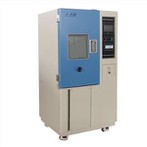
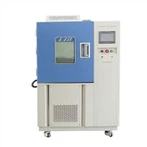
A temperature test chamber, also known as an environmental chamber, is a device used to simulate various temperature conditions to test the effects on a product or material. These chambers can range in size from small benchtop units to large walk-in rooms, depending on the testing requirements. The main components of a temperature test chamber include:
- Control System: The control system is the heart of the temperature test chamber, allowing precise regulation of temperature settings. It includes a user interface, which may be digital or analog, for setting temperature profiles and monitoring the test conditions.
- Heating and Cooling Elements: These elements are responsible for generating and maintaining the desired temperature within the chamber. Heating elements, typically made from metal or ceramic, provide the necessary warmth, while cooling elements, often using refrigerants or cryogenic liquids, bring down the temperature.
- Humidity Control (Optional): Some temperature test chambers also offer humidity control, which is essential for tests that require specific moisture conditions. These chambers are equipped with humidifiers and dehumidifiers to regulate the relative humidity, allowing for more comprehensive environmental simulations.
- Sensors and Probes: Sensors and probes are critical for monitoring the chamber's internal environment and ensuring that the conditions match the programmed settings. Temperature sensors, often thermocouples or RTDs (resistance temperature detectors), provide real-time feedback on the chamber's performance.
Using a temperature test chamber helps identify potential issues such as thermal expansion, contraction, degradation, and failure of materials, which is crucial for product development and quality assurance.
Preparing for the Temperature Test
Before conducting a temperature test, thorough preparation is necessary to ensure accurate and meaningful results. Follow these steps to prepare:
Define Test Parameters
Determine the specific temperature ranges and duration for the test based on the product's intended use and industry standards. This includes identifying the upper and lower temperature limits and the rate of temperature change.
Sample Selection
Choose representative samples of the product or material to be tested. Ensure that the samples are in good condition and free from defects that could skew the results.
Chamber Calibration
Calibrate the temperature test chamber to ensure accurate temperature readings. This involves checking and adjusting the sensors, control system, and other components as needed.
Test Setup
Arrange the samples in the chamber, ensuring proper spacing and orientation to allow uniform temperature exposure. If the chamber has multiple zones, distribute the samples evenly to avoid localized temperature variations.
Documentation
Record all relevant information, including test parameters, sample details, and chamber settings. This documentation will be crucial for analyzing the results and making any necessary adjustments.
Conducting the Temperature Test
With the preparation complete, you can proceed with the temperature test. Here's how to conduct the test effectively:
Start the Chamber
Turn on the temperature test chamber and set the desired temperature profile. This includes specifying the temperature setpoints, ramp rates, and dwell times for each phase of the test.
Monitor the Test
Throughout the test, continuously monitor the chamber's internal environment and the condition of the samples. Use the sensors and probes to track temperature changes and ensure that the chamber maintains the specified conditions.
Data Collection
Collect data at regular intervals to track the performance of the samples under different temperature conditions. This may include visual inspections, measurements of physical properties, and recording any signs of damage or failure.
Adjustments
If necessary, adjust the test parameters or chamber settings to achieve the desired conditions. This might involve modifying the temperature profile or repositioning the samples within the chamber.
Completion
Once the test is complete, carefully remove the samples from the temperature test chamber and conduct a final inspection. Compare the results to the initial documentation to assess the impact of the temperature exposure.
Analyzing and Reporting Results
After the temperature test is completed, the next step is to analyze the data and report the findings. This involves:
Data Analysis
Evaluate the collected data to identify any trends or patterns in the samples' performance. Look for signs of thermal stress, deformation, cracking, or other forms of damage.
Comparison with Standards
Compare the test results with relevant industry standards and specifications to determine if the product meets the required performance criteria. This helps in identifying any potential areas for improvement.
Documentation
Prepare a comprehensive report detailing the test parameters, procedures, and findings. Include graphs, charts, and images to illustrate the results clearly.
Recommendations
Based on the analysis, provide recommendations for product design modifications, material selection, or other changes to enhance performance under temperature variations.
Review
Conduct a review with stakeholders, including engineers, designers, and quality assurance teams, to discuss the results and determine the next steps.
Conclusion
Conducting a temperature test using a temperature test chamber is a critical step in ensuring product reliability and performance under varying temperature conditions. By following a systematic approach to preparation, execution, and analysis, you can identify potential issues early in the development process and make informed decisions to enhance product quality.
If you need more information about conducting temperature tests or require assistance with environmental testing solutions, please contact us at info@libtestchamber.com. Our team of experts is here to help you achieve your testing goals with precision and efficiency.
References
1. ASTM International. (2021). Standard Practice for Testing the Performance of Environmental Test Chambers. ASTM E2877-13.
2. International Electrotechnical Commission (IEC). (2020). IEC 60068-2-1: Environmental testing Part 2-1: Tests Test A: Cold.
3. ISO. (2017). ISO 2233: Packaging – Complete, filled transport packages and units – Climate testing for shipping and storage.
4. Caldwell, C. R. (2018). Temperature Cycling and Storage Life Testing of Electronics. Wiley Encyclopedia of Electrical and Electronics Engineering.
5. National Institute of Standards and Technology (NIST). (2019). Thermal Environmental Testing for Electronics. NIST Special Publication 500-311.
6. Bergman, T. L., & Lavine, A. S. (2017). Fundamentals of Heat and Mass Transfer. Wiley. ISBN: 978-1119700486.
7. Cheng, H. S. (2016). Environmental Testing of Aerospace Components. Aerospace Science and Technology.
8. Gauger, C. (2019). Understanding Environmental Chambers and Their Applications. Journal of Testing and Evaluation.
9. Morris, R. (2018). Temperature Test Chamber Calibration and Maintenance. Instrumentation and Control Systems.
10. Smith, B. (2020). Practical Guide to Environmental Testing. McGraw-Hill Education. ISBN: 978-1260455386.