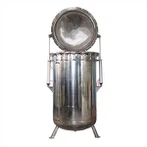
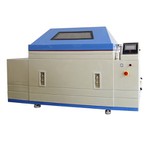
Corrosion testing is a crucial process in various industries to ensure the durability and longevity of materials and products. By understanding how materials react to corrosive environments, companies can make informed decisions about material selection, protective coatings, and maintenance schedules. In this blog, we will explore the purpose of corrosion tests, focusing on the role of the SO2 corrosion resistance chamber.
Why Are Corrosion Tests Important?
Corrosion testing is essential for several reasons. Firstly, it helps in predicting the lifespan of materials and structures. By exposing materials to corrosive environments in a controlled setting, like an SO2 corrosion resistance chamber, industries can determine how long a material will last under specific conditions. This prediction is vital for planning maintenance schedules and avoiding unexpected failures.
Secondly, corrosion testing aids in selecting the right materials for various applications. Different materials react differently to corrosive environments. For instance, metals like stainless steel may withstand certain corrosive elements better than others. Through corrosion tests, industries can identify the most suitable materials for their products, ensuring better performance and durability.
Additionally, corrosion testing is crucial for safety and compliance. In sectors like aerospace, automotive, and construction, the integrity of materials is paramount. Any failure due to corrosion can lead to catastrophic consequences. Regular corrosion testing ensures that materials meet the required safety standards and comply with regulatory guidelines, minimizing the risk of failures and accidents.
How Does an SO2 Corrosion Resistance Chamber Work?
The SO2 corrosion resistance chamber is a specialized testing environment designed to simulate the effects of sulfur dioxide (SO2) on materials. Sulfur dioxide is a common pollutant found in industrial environments, and it can accelerate the corrosion process. The SO2 corrosion resistance chamber provides a controlled setting to evaluate how materials withstand exposure to this corrosive agent. The process of using an SO2 corrosion resistance chamber involves several steps to ensure accurate and reliable results:
Sample Preparation
Before testing begins, the material samples must be carefully prepared. This preparation includes cleaning the samples to remove any surface contaminants, which ensures that the test results are not skewed by pre-existing conditions on the material's surface. Contaminants such as oils, dirt, or previous corrosion products can interfere with the test results, leading to inaccurate conclusions about the material's true resistance to SO2.
In some cases, protective coatings or treatments may be applied to the samples. These coatings are intended to enhance the material's resistance to corrosion. By testing both coated and uncoated samples, industries can evaluate the effectiveness of these protective measures. This step is crucial for understanding how well the coatings perform in real-world conditions and helps in developing better protective solutions.
Chamber Setup
The prepared samples are then placed inside the SO2 corrosion resistance chamber. The chamber is sealed, and the conditions are set according to the specific requirements of the test.
Temperature control is important because it affects the rate of chemical reactions involved in the corrosion process. Higher temperatures can accelerate corrosion, while lower temperatures may slow it down. Similarly, humidity plays a significant role in corrosion. High humidity levels can facilitate the formation of an electrolyte layer on the material's surface, which is necessary for corrosion to occur.
The concentration of SO2 in the chamber is another critical factor. By varying the SO2 concentration, testers can simulate different industrial environments and their associated corrosion risks. This versatility allows for comprehensive testing under various conditions, providing a thorough understanding of how materials will perform in the field.
Exposure Period
Once the chamber is set up, the samples are exposed to the controlled environment for a predetermined period. This exposure can range from a few hours to several weeks, depending on the test objectives and industry standards. The duration of exposure is carefully selected to replicate the timeframes that materials are likely to experience in actual service conditions.
During the exposure period, the chamber maintains the set conditions consistently. This stability is crucial for ensuring that the test results are reliable and reproducible. Variations in temperature, humidity, or SO2 concentration can lead to inconsistent corrosion rates, making it difficult to draw accurate conclusions.
Monitoring and Data Collection
Throughout the exposure period, the chamber's conditions are continuously monitored to ensure consistency. Data is collected at regular intervals to track the progress of corrosion on the samples. This data includes measurements of weight loss, surface changes, and structural integrity.
Weight loss measurements are a common method for quantifying corrosion. As corrosion progresses, material is lost from the sample's surface, resulting in a decrease in weight. By measuring this weight loss over time, testers can calculate the corrosion rate, providing a quantitative assessment of the material's resistance.
Surface changes are also carefully observed. These changes can include the formation of corrosion products, such as rust or tarnish, as well as more severe degradation like pitting or cracking. Visual inspections and advanced imaging techniques can help document these changes, providing valuable insights into the material's behavior under corrosive conditions.
Post-Test Analysis
After the exposure period, the samples are removed from the chamber for analysis. This analysis involves examining the extent of corrosion, assessing the effectiveness of protective coatings, and identifying any weaknesses in the material. The data collected during and after the test provides valuable insights into the material's performance in corrosive environments.
What Are the Benefits of Corrosion Testing?
Corrosion testing, particularly with tools like the SO2 corrosion resistance chamber, offers several benefits to industries:
Ensuring Material Durability
By understanding how materials react to corrosive environments, industries can select materials that offer the best durability and longevity. This is particularly important in sectors such as construction, automotive, and aerospace, where material failure can have catastrophic consequences.
Improving Product Quality
Regular corrosion testing helps in enhancing the quality of products. Manufacturers can identify weaknesses in materials or coatings and make necessary improvements to increase resistance to corrosion. This leads to higher-quality products that perform better and last longer in the field.
Reducing Maintenance Costs
Materials that are resistant to corrosion require less maintenance and have a longer service life. By investing in corrosion-resistant materials and coatings, industries can significantly reduce the costs associated with repairs and replacements.
Conclusion
Corrosion testing is a vital aspect of ensuring the durability, safety, and reliability of materials in various industries. The SO2 corrosion resistance chamber plays a crucial role in this process by providing a controlled environment to evaluate material performance against sulfur dioxide exposure. By adhering to international standards and employing detailed testing processes, this chamber offers accurate and valuable insights that drive informed decisions in material selection and corrosion management.
If you want to learn more about this kind of SO2 Corrosion Test Machine, welcome to contact us info@libtestchamber.com.
References
1. ASTM International. (2021). ASTM G85-19: Standard Practice for Modified Salt Spray (Fog) Testing. ASTM International.
2. NACE International. (2018). NACE TM0169/G31-12a: Laboratory Immersion Corrosion Testing of Metals. NACE International.
3. Fontana, M. G., & Greene, N. D. (1987). Corrosion Engineering (3rd ed.). McGraw-Hill Education.
4. Schweitzer, P. A. (2010). Corrosion Engineering Handbook, Second Edition - 3 Volume Set. CRC Press.
5. Shreir, L. L., Jarman, R. A., & Burstein, G. T. (1994). Corrosion: Metal/Environment Reactions, Volume 1 (3rd ed.). Butterworth-Heinemann.