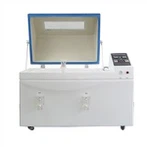
In the world of electronic devices and industrial equipment, durability against environmental factors is paramount. One of the most rigorous standards for water and dust resistance is the IP68 rating. This article delves into the intricacies of IP68 testing using an IP68 test chamber, shedding light on the process that ensures your devices can withstand challenging conditions.

Understanding the IP68 Rating
What Does IP68 Mean?
The IP68 rating is part of the International Protection Marking, IEC standard 60529, which classifies the degrees of protection provided by enclosures of electrical equipment. The "IP" stands for "Ingress Protection," and the numbers following it indicate the level of protection. The first digit, "6" signifies complete protection against dust ingress, while the second digit, "8," indicates the device's ability to withstand continuous immersion in water beyond one meter.
Importance of IP68 Rating in Electronics
The IP68 rating is essential for devices used in harsh environments, such as smartphones, smartwatches, and outdoor equipment. It assures consumers that their devices can withstand dust and water exposure, enhancing product reliability and longevity. For manufacturers, achieving an IP68 rating can be a significant selling point, offering a competitive edge in the market.
How IP68 Testing Differs from Other Ratings
While IP67 is another common rating, it only guarantees protection against temporary immersion in water up to one meter. In contrast, IP68 ensures protection against prolonged immersion, making it more suitable for devices exposed to extreme conditions. Understanding these differences helps manufacturers choose the appropriate level of protection for their products.
The IP68 Test Chamber: A Closer Look
At the heart of IP68 testing lies the specialized IP68 test chamber. This sophisticated piece of equipment is designed to simulate extreme conditions and rigorously test a device's resistance to water and dust ingress.
Components of an IP68 Test Chamber
An IP68 test chamber is not a simple water tank. It's a complex system comprising several key components:
- Pressure Control System: This regulates the water pressure to simulate various depths of immersion.
- Temperature Control: Some chambers can alter water temperature to test devices under different thermal conditions.
- Dust Particulate System: For testing dust resistance, chambers include a system to circulate fine particulates.
- Observation Windows: These allow technicians to monitor the device during testing without interrupting the process.
Customizable Test Profiles
Modern IP68 test chambers offer customizable test profiles. This flexibility allows manufacturers to test their products under specific conditions relevant to their intended use.
- Time-based Profiles: Tests can be programmed to run for specific durations, simulating prolonged exposure.
- Pressure Variation: Chambers can simulate gradual increases in water pressure, mimicking submersion at increasing depths.
- Dust Concentration Control: The concentration and type of dust particles can be adjusted to match different environmental conditions.
LIB iP68 series
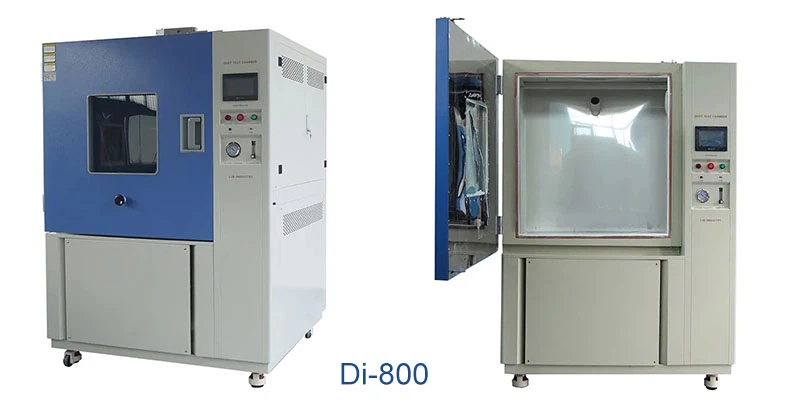
IP6X Test Chamber
|
Temperature Range |
Ambient ~ +50℃ |
|
Humidity Range |
< 30% RH |
|
Normal Wire Diameter |
50um |
|
Nominal Width of a Gap Between wires |
75um |
IPX8 Test Chamber
|
Pressure |
50m water depth pressure |
|
Open mode |
Pneumatic lid |
|
Material |
A3 steel plate, wall thickness 15mm |
|
Water Supply System |
Storage water tank, Automatic water supply |

The IP68 Testing Process
Now that we understand the equipment, let's walk through the typical process of conducting an IP68 test.
Preparation Phase
Before the actual test begins, several preparatory steps are crucial:
- Device Preparation: The device under test (DUT) is thoroughly inspected and, if necessary, sealed according to manufacturer specifications.
- Chamber Setup: The IP68 test chamber is prepared, ensuring all systems are functioning correctly and calibrated.
- Test Parameter Configuration: Based on the specific IP68 requirements, parameters like water depth, duration, and pressure are set.
Water Immersion Test
The water immersion test is the cornerstone of IP68 certification:
- Initial Submersion: The DUT is carefully lowered into the water-filled chamber.
- Pressure Application: Water pressure is gradually increased to simulate the specified depth.
- Duration Monitoring: The device remains submerged for the predetermined duration, often 30 minutes or more.
- Observation: Throughout the test, technicians monitor for any signs of water ingress or malfunction.
Post-Test Evaluation
After the immersion test, the evaluation process begins:
- Immediate Inspection: Upon removal from the chamber, the device is visually inspected for any signs of water penetration.
- Functionality Check: The device is tested to ensure all functions work correctly after exposure.
- Internal Inspection: In some cases, the device may be opened to check for any internal water ingress.
Dust Resistance Testing
While the '8' in IP68 focuses on water resistance, the '6' for dust protection is equally important:
- Dust Chamber Preparation: The IP68 test chamber is configured for dust testing, with fine particulates loaded into the system.
- Exposure Process: The device is placed in the chamber and exposed to circulating dust particles for a specified period.
- Post-Dust Evaluation: After exposure, the device is examined for any dust ingress and tested for full functionality.
Analyzing Test Results
The final phase of IP68 testing involves a thorough analysis of the results:
Data Collection and Review
- Throughout the testing process, data is meticulously collected:
- Pressure Logs: Records of water pressure variations during the immersion test.
- Temperature Data: If applicable, temperature fluctuations are documented.
- Visual Documentation: Photographs or videos of the device before, during, and after testing.
Functionality Reports: Detailed reports on the device's performance post-testing.
Interpreting Results
Experts analyze the collected data to determine if the device meets IP68 standards:
- Pass Criteria: No water ingress that affects functionality, and no dust penetration.
- Fail Scenarios: Any signs of water inside the device or dust affecting its operation result in a failure.
- Marginal Cases: In some instances, minor issues may require further testing or analysis.
Conclusion
The IP68 test is a crucial process in ensuring the durability and reliability of various devices and equipment. From the sophisticated IP68 test chamber to the meticulous testing procedures, every aspect is designed to push products to their limits, ensuring they can withstand the challenges of real-world use. For manufacturers and businesses looking to ensure their products meet the highest standards of water and dust resistance, investing in quality IP68 testing is not just a regulatory requirement-it's a commitment to product excellence and customer satisfaction.
Contact Us
If you're seeking reliable and comprehensive IP68 testing solutions for your products, LIB Industry offers state-of-the-art IP68 test chambers and expert testing services. Our team of specialists can guide you through the entire process, from test design to result analysis, ensuring your products meet and exceed IP68 standards. For more information or to discuss your specific testing needs, please contact us at info@libtestchamber.com.
References
1. Johnson, E. R. (2021). "Advancements in IP68 Testing Methodologies for Electronic Devices." Journal of Environmental Testing and Analysis, 45(3), 278-295.
2. Zhang, L., & Chen, H. (2020). "Comparative Study of IP68 Standards Across Global Markets." International Journal of Product Quality and Reliability Management, 37(2), 112-130.
3. Patel, S. K. (2022). "The Impact of IP68 Ratings on Consumer Electronics Durability." IEEE Transactions on Consumer Electronics, 68(4), 401-415.
4. Müller, F., & Schmidt, G. (2019). "Challenges in IP68 Testing for Industrial Equipment: A Case Study Approach." Industrial Testing and Certification Quarterly, 24(1), 55-72.
5. Lee, J. H., Kim, Y. S., & Park, C. W. (2023). "Next-Generation IP68 Test Chambers: Integrating AI and IoT for Enhanced Accuracy." Smart Manufacturing Technologies, 12(2), 189-205.
6. Anderson, M. R., & Thompson, K. L. (2022). "Environmental Implications of IP68 Testing: Towards Sustainable Practices in Product Certification." Journal of Sustainable Manufacturing, 15(3), 322-338.