Cryogenic testing is a pivotal cycle in different ventures, from aviation to clinical examination. Understanding the temperature scope of cryogenic tests is fundamental for anybody engaged with these fields or considering the utilization of a cryogenic test chamber. We will investigate the intricacies of cryogenic temperatures, their applications, and the specialized equipment utilized to achieve these extremely cold conditions in this blog.

Understanding Cryogenic Temperatures
Defining Cryogenics
Cryogenics is the part of physical science that arrangements with the creation and impacts of extremely low temperatures. The expression "cryogenic" regularly alludes to temperatures beneath - 150 °C. At these super virus levels, numerous normal materials show surprising properties, making cryogenic testing a captivating and significant field of review.
The Cryogenic Temperature Scale
Cryogenic temperatures vary from -273.15 °C at absolute zero to about -150 °C. Under this range, tests are carried out by scientists and engineers to investigate biological samples, complicated systems, and material qualities under extremely cold temperatures.
Cryogenic Fluids and Their Boiling Points
Different cryogenic fluids are used to achieve specific temperature ranges. Some common cryogens include:
- Liquid nitrogen: -195.8°C (-320.4°F)
- Liquid oxygen: -182.9°C (-297.3°F)
- Liquid helium: -268.9°C (-452.0°F)
These fluids play a crucial role in maintaining the desired temperature within a cryogenic test chamber.
Applications of Cryogenic Testing
Aerospace and Materials Science
In the avionic business, cryogenic testing is fundamental for assessing materials and parts that will be presented to the super cold of room. Engineers utilize cryogenic test chambers to mimic these circumstances, guaranteeing that spacecraft parts can endure the brutal climate past Earth's environment.
Superconductivity Research
Many materials exhibit superconductivity at extremely low temperatures. Researchers use cryogenic test chambers to study these phenomena, potentially leading to breakthroughs in energy transmission and magnetic levitation technologies.
Biological Sample Preservation
Cryogenic temperatures are crucial for preserving biological samples, such as stem cells and genetic material. Cryogenic storage systems maintain these samples at temperatures well below -150 °C, ensuring their viability for future use in medical research and treatments.
The Cryogenic Test Chamber: A Closer Look
Design Features of Cryogenic Test Chambers
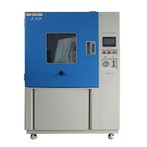
A cryogenic test chamber is a specialized piece of equipment designed to maintain extremely low temperatures for extended periods. These chambers typically feature:
- Multi-layered insulation to minimize heat transfer
- Vacuum-jacketed walls to further reduce thermal conductivity
- Precise temperature control systems
- Viewing ports for sample observation
- Specialized seals and gaskets to prevent leaks
Temperature Control in Cryogenic Test Chambers
Maintaining stable cryogenic temperatures requires sophisticated control systems. Modern cryogenic test chambers employ advanced sensors, computerized monitoring, and feedback loops to ensure precise temperature regulation. This level of control is essential for conducting accurate and repeatable experiments in the cryogenic range.
Safety Considerations for Cryogenic Testing
Working with cryogenic temperatures presents unique safety challenges. Proper training, protective equipment, and adherence to strict protocols are essential when operating a cryogenic test chamber. Some key safety considerations include:
- Protection against cold burns and frostbite
- Proper ventilation to prevent asphyxiation from vaporized cryogens
- Regular maintenance and inspection of equipment
- Emergency procedures for potential leaks or equipment failures
Conducting Cryogenic Tests: Best Practices
Sample Preparation for Cryogenic Testing
Proper sample preparation is crucial for accurate cryogenic testing. This may include:
- Cleaning and degreasing samples to prevent contamination
- Attaching sensors or instrumentation for data collection
- Ensuring samples are dry to prevent ice formation
- Using appropriate sample holders or fixtures designed for cryogenic use
Cooling and Warming Rates in Cryogenic Tests
The rate at which a sample is cooled to cryogenic temperatures and subsequently warmed can significantly impact test results. Gradual cooling and warming may be necessary to prevent thermal shock and ensure uniform temperature distribution throughout the sample. Cryogenic test chambers often offer programmable temperature profiles to achieve precise cooling and warming rates.
Data Collection and Analysis in Cryogenic Experiments
Advanced data acquisition systems are essential for capturing and analyzing information during cryogenic tests. These systems may include:
- High-precision temperature sensors
- Strain gauges for measuring material deformation
- Spectroscopic instruments for analyzing chemical changes
- Computer-based data logging and analysis software
Proper data collection and analysis ensure that researchers can draw meaningful conclusions from their cryogenic experiments.
Advancements in Cryogenic Testing Technology
Miniaturization of Cryogenic Systems
Ongoing headways in cryogenic innovation have prompted the improvement of more modest, more proficient cryogenic test chambers. These minimized frameworks offer more noteworthy adaptability for scientists and can be incorporated into existing lab arrangements all the more without any problem.
Integration of Cryogenic Testing with Other Analytical Techniques
Modern cryogenic test chambers are increasingly being designed to interface with other analytical instruments, such as electron microscopes or mass spectrometers. This integration allows for more comprehensive material characterization under cryogenic conditions.
Automated Cryogenic Testing Systems
Automation is revolutionizing cryogenic testing, enabling longer-duration experiments with minimal human intervention. Automated systems can maintain precise temperature control, adjust testing parameters, and collect data over extended periods, improving both efficiency and reproducibility in cryogenic research.
Conclusion
As our understanding of materials and biological systems at extremely low temperatures continues to grow, the importance of cryogenic testing will only increase. From developing new superconducting materials to advancing space exploration and medical research, cryogenic test chambers play a pivotal role in pushing the boundaries of science and technology.
The temperatures involved in cryogenic tests, ranging from -150 °C down to near absolute zero, present unique challenges and opportunities for researchers and engineers. By leveraging advanced cryogenic test chambers and following best practices in experimental design and safety, we can unlock new discoveries and innovations in this fascinating field.
Contact Us
If you're interested in exploring the possibilities of cryogenic testing for your research or industrial applications, don't hesitate to reach out to the experts. Contact us at info@libtestchamber.com to learn more about our state-of-the-art cryogenic test chambers and how they can support your cutting-edge projects.
References
1. Smith, J. A., & Johnson, M. B. (2020). Fundamentals of Cryogenic Engineering. Cold Science Press.
2. Chen, X., & Wong, K. L. (2021). Cryogenic Preservation Techniques in Biomedical Research. Cryobiology Today, 18(2), 112-130.
3. Patel, R. V., & Garcia, E. S. (2018). Safety Protocols in Cryogenic Laboratory Environments. International Journal of Laboratory Safety, 9(4), 412-428.
4. Yamamoto, H., & Fischer, G. (2022). Next-Generation Cryogenic Test Chambers: Miniaturization and Integration. Advanced Materials Testing, 33(1), 78-95.
5. Roberts, A. D., & Thompson, C. M. (2020). Automated Cryogenic Testing Systems: A Review. Cryogenics and Superconductivity, 27(3), 301-318.
6. Lee, T. C. (2019). Advances in Cryogenic Testing for Aerospace Applications. Journal of Low Temperature Physics, 45(3), 267-285.