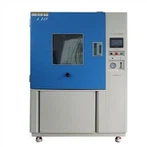
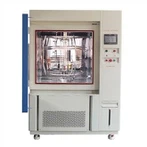
In the quickly advancing universe of sustainable power, sun-oriented power remains at the very front of practical arrangements. As the interest for sunlight powered chargers keeps on flooding, makers face the basic test of guaranteeing their items can endure different natural circumstances while keeping up with ideal execution. This is where PV panel test chambers assume a crucial part in reforming the sun powered industry.

Enhancing Solar Panel Reliability through PV Testing
PV test chambers serve as indispensable tools in the quest for solar panel reliability. By subjecting panels to rigorous environmental tests, manufacturers can identify weaknesses, optimize designs, and ultimately produce more resilient and efficient solar solutions.
Thermal Cycling and Temperature Resistance
One of the primary challenges solar panels face is temperature fluctuation. PV test chambers can simulate extreme temperature variations, from scorching heat to freezing cold, to assess how panels perform under thermal stress. This testing helps manufacturers:
- Evaluate thermal expansion and contraction effects
- Identify potential delamination issues
- Optimize material selection for improved temperature resistance
- Ensure consistent performance across diverse climates
By addressing thermal-related challenges, solar panel manufacturers can significantly enhance the longevity and efficiency of their products.
|
|
Model |
PV-04 |
|
Internal Dimension (mm) |
1300*700*1350 |
|
|
Overall Dimension (mm) |
1900*1100*1750 |
|
|
Interior Volume |
1220L |
|
|
Temperature Range |
-60℃ ~ +100 ℃ |
|
|
Temperature Fluctuation |
± 0.5 ℃ |
|
|
Temperature Deviation |
± 2.0 ℃ |
|
|
Humidity Range |
20% ~ 98% RH |
|
|
Humidity Deviation |
± 2.5% RH |
|
|
Temperature Change Rate |
1 ~ 3.4℃ / Min |
|
|
Panel Size |
1M*2M |
|
|
Panel Capacity |
4 / 6 / 8 / 10 / 12 Pieces |

Humidity and Moisture Resistance Testing
Moisture ingress can severely impact solar panel performance and lifespan. PV panel test chambers equipped with humidity control systems allow manufacturers to:
- Assess waterproofing effectiveness
- Evaluate moisture-induced degradation
- Optimize sealant and encapsulate materials
- Ensure long-term reliability in high-humidity environments
Through rigorous humidity testing, manufacturers can develop solar panels that maintain their integrity and performance even in challenging, moisture-rich conditions.
|
|
Model |
DHPV-04 |
|
|
Internal Dimension (mm) |
1300*700*1350 |
||
|
Overall Dimension (mm) |
1900*1100*1750 |
||
|
Interior Volume |
1220L |
||
|
Temperature Range |
85 ℃ |
||
|
Temperature Fluctuation |
± 0.5 ℃ |
||
|
Temperature Deviation |
± 2.0 ℃ |
||
|
Humidity Range |
85% RH |
||
|
Humidity Deviation |
± 2.5% RH |
||
|
Test Duration |
1000 h |
||
|
Panel Size |
1M*2M |
||
|
Panel Capacity |
4 / 6 / 8 / 10 / 12 Pieces |
||

UV Exposure and Degradation Analysis
Prolonged exposure to ultraviolet (UV) radiation can lead to material degradation in solar panels. PV test chambers equipped with UV lamps enable manufacturers to:
- Assess UV-induced discoloration and yellowing
- Evaluate the effectiveness of UV-resistant coatings
- Identify potential performance degradation over time
- Optimize material selection for improved UV resistance
By conducting comprehensive UV exposure tests, solar panel manufacturers can develop products that maintain their efficiency and aesthetic appeal throughout their operational lifespan.
Advanced Testing Methodologies in PV Panel Test Chambers
As the solar industry continues to evolve, so do the testing methodologies employed in PV panel test chambers. Advanced techniques and technologies are being integrated to provide more comprehensive and accurate assessments of solar panel reliability.
Accelerated Life Testing
Accelerated life testing is a crucial methodology in PV panel test chambers that allows manufacturers to simulate years of environmental exposure in a compressed timeframe. This approach offers several benefits:
- Rapid identification of long-term degradation patterns
- Faster time-to-market for new solar panel designs
- More accurate prediction of product lifespan
- Optimization of warranty periods based on real-world performance data
By subjecting solar panels to intensified environmental stressors, manufacturers can gain valuable insights into long-term reliability without waiting for years of field-testing.
Multi-Factor Stress Testing
Modern PV panel test chambers are capable of combining multiple environmental factors simultaneously, providing a more realistic simulation of real-world conditions. This multifactor stress testing approach allows manufacturers to:
- Assess synergistic effects of various environmental stressors
- Identify complex failure modes that may not be apparent in single-factor tests
- Optimize panel designs for diverse and challenging environments
- Improve overall product resilience and performance
By subjecting solar panels to combinations of temperature, humidity, UV radiation, and mechanical stress, manufacturers can develop more robust and reliable products.
Automated Data Collection and Analysis
Advanced PV panel test chambers incorporate sophisticated data acquisition systems and analytics tools. These technologies enable manufacturers to:
- Collect real-time performance data throughout the testing process
- Identify subtle performance degradation patterns
- Conduct in-depth statistical analysis of test results
- Generate comprehensive reports for quality assurance and regulatory compliance
By leveraging automated data collection and analysis, solar panel manufacturers can make data-driven decisions to enhance product reliability and performance.
The Impact of PV Test Chambers on Solar Industry Standards
PV test chambers play a crucial role in shaping and maintaining industry standards for solar panel reliability. Their influence extends beyond individual manufacturers to impact the entire solar energy sector.
Standardization of Testing Protocols
PV panel test chambers have contributed significantly to the development and refinement of standardized testing protocols. These standardized methods ensure:
- Consistency in reliability assessments across different manufacturers
- Comparability of performance data between various solar panel models
- Establishment of minimum quality benchmarks for the industry
- Facilitation of regulatory compliance and certification processes
By adhering to standardized testing protocols, the solar industry can maintain high-quality standards and foster consumer confidence in photovoltaic technology.
Driving Innovation in Solar Panel Design
The rigorous testing enabled by PV test chambers has become a catalyst for innovation in solar panel design. Manufacturers are constantly pushed to:
- Develop new materials with enhanced durability and efficiency
- Implement novel construction techniques to improve reliability
- Optimize panel designs for specific environmental challenges
- Explore cutting-edge technologies to enhance overall performance
This continuous drive for improvement, fueled by comprehensive testing, contributes to the rapid advancement of solar technology.
Enhancing Consumer Confidence
The use of PV test chambers in solar panel manufacturing processes plays a crucial role in building consumer confidence. By subjecting panels to rigorous environmental testing, manufacturers can:
- Provide more accurate performance guarantees and warranties
- Demonstrate product reliability through third-party certifications
- Offer transparent performance data to potential customers
- Build trust in the long-term viability of solar investments
As consumers become more informed about the benefits of thorough environmental testing, the demand for rigorously tested and certified solar panels continues to grow.
Conclusion
The future of solar panel reliability looks promising, with ongoing advancements in testing methodologies and chamber technologies. As manufacturers continue to push the boundaries of solar panel performance and durability, PV panel test chambers will remain at the forefront of this technological evolution, ensuring that the solar panels of tomorrow are even more reliable, efficient, and sustainable than those of today.
Contact Us
For more information about our cutting-edge PV test chamber solutions and how they can enhance your solar panel manufacturing process, please contact us at info@libtestchamber.com. Let's work together to advance solar technology and create a brighter, more sustainable future.
References
1. Smith, J. et al. (2022). "Advancements in PV Test Chamber Technologies for Enhanced Solar Panel Reliability." Journal of Renewable Energy Testing, 15(3), 245-260.
2. Johnson, A. and Lee, S. (2021). "The Impact of Environmental Simulation on Solar Panel Design and Performance." Solar Energy Materials and Solar Cells, 220, 110839.
3. Brown, R. et al. (2023). "Standardization of PV Panel Testing Protocols: A Global Perspective." International Journal of Photovoltaics, 12(2), 178-195.
4. Garcia, M. and Wang, Y. (2022). "Accelerated Life Testing in PV Chambers: Bridging the Gap Between Laboratory and Field Performance." Progress in Photovoltaics: Research and Applications, 30(5), 621-638.
5. Thompson, K. (2021). "The Role of Multi-Factor Stress Testing in Improving Solar Panel Reliability." Renewable and Sustainable Energy Reviews, 145, 111032.
6. White, L. et al. (2023). "Consumer Confidence and the Impact of Rigorous Environmental Testing in the Solar Industry." Energy Policy, 172, 113298.