With regard to item quality and shopper security, understanding the shelf life of your items isn't simply significant - it's fundamental. Timeframe of shelf life testing is a basic cycle that guarantees your items stay protected, viable, and attractive all through their planned life expectancy. For makers, particularly those in the food, drug, and corrective ventures, the utilization of a shelf life test chamber is crucial. This blog will investigate why shelf life testing is significant, the key advantages it offers, and how the right testing hardware can lift your quality control processes.

Shelf Life: What It Is and Why It Matters
What is Shelf Life?

Shelf life refers to the length of time a product remains usable, safe, and effective under specified storage conditions. It's a measure of how long a product can be stored before it begins to degrade in quality, efficacy, or safety. For food products, this could mean the time before spoilage. For pharmaceuticals, it could be the duration a drug remains potent. Understanding and accurately determining shelf life is crucial for manufacturers to ensure product reliability and customer satisfaction.
The Impact of Shelf Life on Product Quality
The nature of an item is straightforwardly attached to its shelf life. An item that surpasses its shelf life can break down in different ways - food might lose its healthy benefit, beauty care products might change in surface or variety, and drugs might turn out to be less powerful or even destructive. By directing shelf life tests in a controlled climate, makers can foresee how and when an item will start to debase, permitting them to set exact termination dates and give buyers the most ideal item.
Regulatory Compliance and Consumer Safety
In many industries, shelf life testing is not just the best practice-it's a regulatory requirement. Authorities such as the FDA (Food and Drug Administration) and the EU (European Union) have strict regulations regarding the shelf life of products, especially in the food and pharmaceutical sectors. Failure to comply can result in legal penalties, product recalls, and damage to your brand's reputation. By investing in an accurate shelf life test chamber, you not only meet regulatory requirements but also ensure the safety and well-being of your consumers.
The Benefits of Shelf Life Testing for Manufacturers
Cost Efficiency and Waste Reduction
One of the most significant benefits of shelf life testing is cost efficiency. By accurately determining the shelf life of your products, you can optimize your inventory management, reducing the risk of overproduction and waste. Products that go beyond their shelf life often need to be discarded, leading to unnecessary waste and financial loss. With precise shelf life data, you can better align production schedules with demand, minimizing waste and maximizing profitability.
Improved Product Development
Shelf life testing plays a crucial role in product development. By understanding how different ingredients, packaging, and storage conditions affect a product's shelf life, manufacturers can make informed decisions during the formulation and packaging stages. This enables the creation of products that not only meet consumer expectations but also have a longer, more stable shelf life. The insights gained from shelf life testing can also guide the development of new products, allowing manufacturers to innovate while maintaining quality.
Enhanced Brand Reputation and Customer Trust
In today's competitive market, consumers are more informed and discerning than ever. They expect products to be safe, effective, and of high quality. By conducting thorough shelf life testing and clearly communicating the results to consumers, you build trust and credibility. A brand known for its commitment to quality and safety is more likely to retain customers, attract new ones, and stand out in a crowded marketplace. Moreover, demonstrating adherence to stringent shelf life standards can enhance your brand's reputation and provide a competitive edge.
The Role of Shelf Life Test Chambers in Accurate Testing
How Shelf Life Test Chambers Work
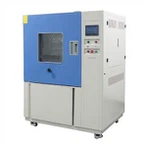
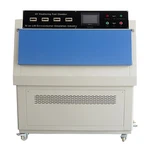
Shelf life test chambers are specialized devices used to simulate various environmental conditions to determine a product's shelf life. These chambers can replicate a wide range of conditions, including temperature, humidity, and light exposure, which are critical factors in product degradation. By using a shelf life test chamber, manufacturers can accelerate the aging process of a product to quickly gather data on how it will perform over time under different storage conditions.
Key Features of a Reliable Shelf Life Test Chamber
When choosing a shelf life test chamber, it's essential to consider features such as temperature and humidity control, uniformity of conditions, and programmability. A reliable chamber should offer precise control over environmental variables, ensuring consistent and accurate results. Additionally, the chamber should be easy to use, with features such as programmable settings that allow for the simulation of different storage scenarios. This flexibility is crucial for manufacturers who need to test a variety of products under different conditions.

|
Temperature Range |
A : -20℃ ~ +150 ℃ B : -40℃ ~ +150 ℃ C: -70℃ ~ +150 ℃ |
|
Temperature Fluctuation |
± 0.5 ℃ |
|
Temperature Deviation |
± 2.0 ℃ |
|
Humidity Range |
20% ~ 98% RH |
|
Humidity Deviation |
± 2.5% RH |
|
Cooling Rate |
1 ℃ / min |
|
Heating Rate |
3 ℃ / min |
The Importance of Investing in Quality Testing Equipment
Investing in a high-quality shelf life test chamber is an investment in your product's success. Accurate shelf life testing not only helps you meet regulatory requirements but also enhances your product's marketability and consumer trust. High-quality testing equipment provides reliable, reproducible results, reducing the risk of errors that could lead to costly recalls or legal issues. Moreover, these chambers often come with advanced features that allow you to conduct more comprehensive testing, ensuring that every aspect of your product's shelf life is thoroughly evaluated.
Making the Most of Your Shelf Life Testing: Best Practices
Regular Testing and Monitoring
Shelf life testing should not be a one-time effort. Regular testing and monitoring are essential to ensure that your products continue to meet quality standards over time. Environmental factors, ingredient variances, and even changes in suppliers can all affect a product's shelf life. By conducting ongoing tests, you can quickly identify and respond to any changes that may impact the quality or safety of your product.
Documenting and Analyzing Results
Proper documentation and analysis of your shelf life testing results are crucial for making informed decisions. Detailed records allow you to track the performance of your products over time, identify trends, and make necessary adjustments to your production processes. Furthermore, having comprehensive records is invaluable when dealing with regulatory bodies, as it provides evidence of your commitment to quality and compliance with industry standards.
Collaborating with Experts
Shelf life testing is a complex process that requires specialized knowledge and expertise. Collaborating with experts in environmental testing can help ensure that your methods are sound, and your results are accurate. These professionals can provide guidance on the best testing practices, help you interpret results, and even assist in the selection and optimization of your shelf life test chamber. Partnering with experts not only enhances the reliability of your testing but also frees up your internal resources to focus on other critical aspects of your business.
Conclusion
In summary, shelf life testing is a vital component of product development and quality assurance. It ensures that your products remain safe, effective, and marketable throughout their intended lifespan. By investing in reliable shelf life test chambers and adhering to best practices, manufacturers can optimize costs, enhance product quality, and build stronger relationships with their customers.
Contact Us
Ensure the safety and quality of your products by investing in reliable shelf life testing solutions today. Contact LIB Industry at info@libtestchamber.com to learn more about our advanced shelf life test chambers and how they can support your quality assurance processes.
References
1. Dernbach, J. (2021). Environmental Testing Methods: Ensuring Quality and Compliance in Product Development. New York: Industrial Press.
2. Thompson, C. (2020). Quality Assurance in Manufacturing: The Role of Shelf Life Testing. Boston: Manufacturing Insights Press.
3. Nguyen, L. (2019). Food Safety and Shelf Life: Principles and Practices. London: Food Industry Publications.
4. Harrison, M. (2022). Pharmaceutical Shelf Life Testing: A Guide for Regulatory Compliance. Washington: PharmaTech Books.
5. Stevens, R. (2023). Cosmetic Product Stability and Shelf Life: Best Practices and Testing Methods. Paris: Beauty Science Press.
6. Watson, E. (2021). Advanced Environmental Chambers: Applications in Shelf Life Determination. Chicago: Engineering Solutions Publishers.