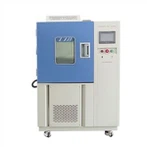
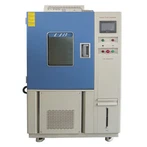
Dust tests assume an essential part in surveying the sturdiness and usefulness of different items under dusty circumstances. To ensure product dependability and compliance with industry standards, it is essential to know how to properly conduct a dust test, regardless of whether you are a manufacturer, researcher, or quality control specialist. In this blog, we'll investigate the intricate details of residue testing, including the significance of utilizing a dust test chamber, bit by bit strategies, and best practices for precise outcomes.

Dust Tests and Their Importance
Dust tests reproduce genuine conditions where items might be presented to particulate matter. These tests are essential for determining a product's dust resistance without compromising performance or safety.
Types of Dust Tests
There are several types of dust tests, each designed to evaluate different aspects of a product's resistance to dust:
- Ingress Protection (IP) dust tests
- Talcum powder dust tests
- Arizona road dust tests
- Cement dust tests
Benefits of Dust Testing
Conducting dust tests offers numerous advantages:
- Improved product reliability
- Enhanced customer satisfaction
- Compliance with industry standards
- Reduced warranty claims
LIB Dust Test Chambers for IEC60529 IP5X 6X Dust Ingress Test
Selecting the Right Dust Test Chamber
Choosing an appropriate dust test chamber is crucial for accurate results. Consider factors such as:
- Chamber size and capacity
- Dust distribution system
- Temperature and humidity control
- Compliance with relevant standards (e.g., IEC 60529, MIL-STD-810)

LIB Dust test Chamber
|
Model |
DI-800 |
DI-1000 |
|
Internal Dimension (mm) |
800*1000*1000 |
1000*1000*1000 |
|
Useful Volume (L) |
800 |
1000 |
|
Temperature Range |
Ambient ~ +50℃ |
|
|
Humidity Range |
< 30% RH |
|
|
Normal Wire Diameter |
50um |
|
|
Nominal Width of a Gap Between wires |
75um |
|
Preparing the Test Specimen
Before placing your product in the dust test chamber, ensure it's properly prepared:
- Clean the specimen thoroughly
- Document its initial condition
- Seal any openings that aren't part of the test
- Position the specimen as it would be in its normal use
Selecting the Appropriate Dust Type
Different dust types can be used depending on the test requirements:
- Talcum powder for fine particle tests
- Arizona road dust for abrasive particle tests
- Cement dust for alkaline environment tests
Conducting the Dust Test
Now that you've prepared your test setup, it's time to conduct the dust test. Follow these steps for a successful test run.
Setting Up the Dust Test Chamber
Properly configuring your dust test chamber is crucial:
- Calibrate the dust distribution system
- Set the desired temperature and humidity levels
- Ensure proper air circulation within the chamber
Running the Test
Execute the dust test following these general steps:
- Place the prepared specimen in the dust test chamber
- Seal the chamber and start the dust circulation
- Maintain the specified dust concentration for the required duration
- Monitor and record test conditions throughout the process
Post-Test Evaluation
After completing the dust test, evaluate the specimen:
- Carefully remove the specimen from the chamber
- Document any visible dust accumulation or penetration
- Perform functional tests to assess performance impacts
- Compare results with pre-test documentation
Analyzing and Interpreting Dust Test Results
Proper analysis of dust test results is crucial for understanding your product's performance and making necessary improvements.
Evaluating Dust Ingress
Assess the level of dust penetration:
- Inspect internal components for dust accumulation
- Measure dust particle size and distribution
- Determine if dust ingress exceeds acceptable limits
Assessing Functional Impact
Evaluate how dust exposure affected the product's functionality:
- Conduct performance tests post-dust exposure
- Compare results with pre-test baseline measurements
- Identify any degradation in performance or reliability
Reporting and Documentation
Create comprehensive reports detailing the dust test results:
- Document test parameters and conditions
- Include pre-test and post-test observations
- Provide detailed analysis of dust ingress and functional impact
- Offer recommendations for product improvements if necessary
Best Practices for Accurate Dust Testing
To ensure the most reliable results from your dust tests, consider implementing these best practices.
Maintaining Your Dust Test Chamber
Regular maintenance of your dust test chamber is essential:
- Clean the chamber thoroughly between tests
- Calibrate dust distribution systems regularly
- Check and replace filters as needed
- Perform periodic inspections of seals and gaskets
Ensuring Test Repeatability
Consistency in test procedures is key to reliable results:
- Develop and follow standardized test protocols
- Use the same dust type and concentration across similar tests
- Maintain consistent environmental conditions
- Train personnel on proper test procedures
Staying Updated with Industry Standards
Keep abreast of the latest developments in dust testing:
- Regularly review and update test procedures
- Attend industry conferences and workshops
- Participate in standards committees when possible
- Invest in ongoing training for test personnel
Conclusion
Conducting a proper dust test is a critical step in ensuring product reliability and compliance with industry standards. By following the guidelines outlined in this article, you can effectively set up, run, and analyze dust tests using a dust test chamber. Remember that accurate testing requires attention to detail, proper equipment maintenance, and adherence to best practices.
Contact Us
For more information about our dust test chambers and environmental testing solutions, please don't hesitate to contact us at info@libtestchamber.com. Our team of experts is ready to assist you in optimizing your dust testing processes and ensuring the highest quality results for your products.