
How to test adhesive aging? What specific items do adhesive aging do? The engineer of Byrne testing said: adhesive through the adhesion and cohesion of the interface, can make two or more kinds of parts or materials connected together natural or synthetic, organic or inorganic substances. So, how to test adhesive aging?
1. Adhesive testing products:
The tested products are: Vulcanized anti-corrosion sealant, flat sealant, thread sealant, S301 inner clamp/Front door inner clamp assembly (left), epoxy glue, polyurethane glue, acrylic glue, UV glue, construction glue, rubber and plastic glue, organic silicone, marble glue, tile glue, PVC glue, glass glue, white latex, jelly glue, double-sided glue, pressure sensitive glue, urine display glue, planting glue, silicone glue, 1 08 Glue, polyurethane glue, sticky rice glue, spray glue, foam glue, 107 glue, 3M tape, adhesive tape, heat sealing tape, butyl tape, transparent tape, insulation tape, shielding tape, Mara tape, iron composite tape, polyimide tape, foam tape, pressure sensitive tape, etc.
Decorative adhesive: white latex, wood floor glue, wallpaper glue, ceiling glue, plastic floor glue, etc
Adhesive for high-speed rail infrastructure construction: geotextile adhesive, extruded board adhesive, boss resin
Woodworking adhesive: neoprene adhesive, water-based polymer - isocyanate wood adhesive, phenolic adhesive
Building adhesive: Water-based polyvinyl alcohol adhesive, 108 adhesive, stone dry hanging adhesive, marble adhesive, waterproof coil adhesive, polyurethane foam adhesive, etc
Universal adhesive and adhesive tape: polyurethane adhesive, acrylic adhesive, α-cyanoacrylate instant adhesive, pressure sensitive tape, etc
Raw materials for adhesive: synthetic resin emulsion, unsaturated resin, etc
2. Reliable performance testing:
Creep, fatigue strength, impact resistance, durability, aging performance, salt spray test and so on.
|
|
|

-
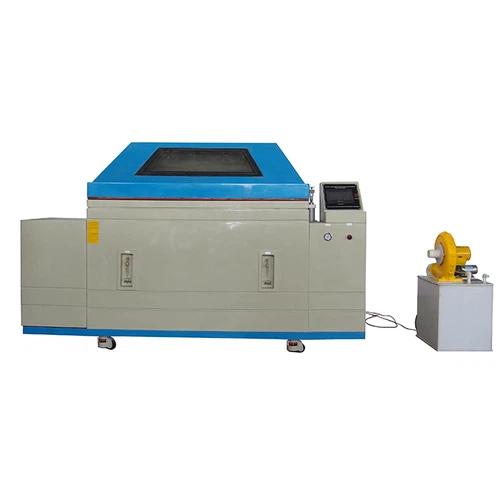
salt spray test
Salt spray testing is a popular method for evaluating the performance of adhesives under such conditions. During this process, the adhesive is exposed to a saltwater mist in a controlled environment for a specified period. The aim is to simulate the effects of saltwater exposure, which is typical in coastal and marine environments.
The results of salt spray testing can help manufacturers make informed decisions regarding the selection and development of adhesive products for their applications. This testing procedure can also detect any weaknesses or defects in the adhesive that may affect its durability and longevity.
There are various methods of salt spray testing, each designed to simulate different operating conditions. These methods include continuous spray, intermittent spray, and cyclic testing. The test conditions can vary based on the intended application and environmental conditions that the adhesive is likely to face.
|
salt spray tower |
cylinder |
spray collector |


| Name | Salt Spray Chamber | ||
|
Model |
S-150 |
S-250 |
S-750 |
|
Internal dimensions (mm) |
470*590*400 |
640*1000*500 |
750*1100*500 |
|
Overall dimensions (mm) |
620*1400*1050 |
810*1800*1180 |
920*1900*1200 |
|
Temp. Range |
Ambient ~ +60 ℃ |
||
|
Temp. Fluctuation |
± 0.5 ℃ |
||
|
Temp. Deviation |
± 2.0 ℃ |
||
|
Humidity Range |
95% ~ 98% RH |
||
|
Salt Fog Deposition |
1~2ml / 80cm2 · h |
||
|
Spray Type |
Continuous / Periodic |
||
|
Heating Element |
Nichrome heater |
||
|
Salt Fog Collected |
Fog collector and fog measure cylinder |
||
|
Controller |
PID controller |
||
|
Material |
Glass fiber reinforced plastics |
||
|
Standard Configuration |
8 round bars and 7 V-shaped grooves |
||
-
UV aging test
Adhesives are an essential component in many industrial and manufacturing applications. However, they can break down over time due to exposure to UV radiation. Therefore, it is crucial to test their resistance to UV aging to ensure their long-term effectiveness. There are several ways to test adhesives for UV aging, with the most common method being exposure to simulated sunlight in a controlled environment.
During the UV aging testing process, the adhesive is subjected to UV light while being monitored for any degradation or loss of adhesion. The intensity and wavelength of the UV light can be adjusted to simulate different levels of UV exposure. This testing process can take anywhere from a few days to several weeks, depending on the specific adhesive being tested and the level of UV exposure required.
There are different types of adhesives with varying formulations, and the testing method may vary depending on the adhesive type. For example, cyanoacrylate adhesives are often tested with a specific UV lamp, while epoxy and polyurethane adhesives are typically tested in a QUV machine which simulates sunlight and heat.

| Lamp Type | Wavelength Range | Best for Testing | Key Feature | Standard Reference |
|---|---|---|---|---|
| UVA340 | 295–365 nm | Outdoor weathering | Closely simulates natural sunlight's UV portion | ASTM G154 |
| UVB313 | 280–315 nm | Accelerated aging | Faster degradation through stronger short-wave UV | ASTM G154 |
| UVB351 (optional) | 300–350 nm | Indoor materials | Simulates UV through window glass | ASTM G154 |
3. Procedure for Adhesive Testing Using LIB UV Test Chamber
LIB's UV Test Chamber simulates real-world environmental conditions, accelerating the aging process of adhesives under UV radiation, temperature fluctuations, and humidity. The testing process is structured to ensure that adhesives maintain their bonding strength, color stability, and overall performance over time.
|
|
|
|
Sample holder
|
Controller |
|
|
|
|
UV lamp |
Black Panel Thermometer |


Step 1 - Prepare the Samples
First, prepare the adhesive samples according to the specific application and standard size requirements (e.g., 75 mm × 150 mm). For adhesives applied to surfaces, ensure they are uniformly spread or applied to the designated test substrates. The samples should be mounted securely on the sample holders to ensure consistent exposure to UV light during testing.
Step 2 - Set Test Parameters
Next, configure the test parameters based on the expected conditions that the adhesive will face in real-world applications. Typical settings for adhesive testing may include:
Irradiance: 0.35 W/m² at 340 nm
Black Panel Temperature (BPT): 63 ± 3 °C
Chamber Temperature: 50–70 °C
Humidity: ≥ 95% RH (with spray cycles)
Test Duration: 100–1000 hours (depending on the desired level of aging)
These parameters should replicate the environmental conditions that the adhesive is likely to encounter during its service life.
Step 3 - Initiate the UV Exposure Cycle
Activate the UV exposure cycle by selecting the appropriate program on the LIB UV Test Chamber's PID touchscreen controller. The chamber allows for the adjustment of multiple variables, such as irradiance, temperature, and spray cycles, to simulate specific environmental factors. The cycle will continue for the pre-set test duration.
Step 4 - Moisture/Spray Cycle
During the exposure cycle, the chamber's water spray system will activate. The 10 nozzles in the chamber simulate moisture, rain, or dew exposure, accelerating the aging process. The moisture helps simulate the combination of UV radiation and humidity, which can cause adhesives to weaken or break down over time.
Step 5 - Evaluate Adhesive Performance
After the test cycle is completed, carefully examine the adhesive samples for any signs of degradation, including:
Bonding Strength: Check if the adhesive has maintained its strength and adhesion to the substrate. Any loss in adhesion could indicate that the adhesive has failed due to prolonged UV exposure.
Color Stability: Assess if the adhesive or substrate color has faded or changed, indicating that the adhesive is susceptible to UV-induced discoloration.
Surface Integrity: Inspect for any signs of cracking, peeling, or surface deterioration, which can be caused by UV exposure and moisture cycling.
Chemical Stability: Test the adhesive's resistance to chemical breakdown by analyzing its molecular structure and physical properties after exposure.
Reports can be generated and analyzed through USB or LAN to provide detailed information on the adhesive's durability.
Step 6 - Analyze and Improve
Based on the test results, manufacturers can evaluate the performance of the adhesive in terms of its resistance to UV aging, temperature fluctuations, and moisture. If the adhesive fails to meet the required performance standards, adjustments to its formulation may be necessary. The UV Test Chamber provides valuable data to refine adhesive compositions, ensuring better long-term performance in outdoor and high-UV environments.
LIB can customize the gas fume test chamber for you, which has reached the standard you need to refer to. We are a China-based climate chamber manufacturers that specialize in environmental testing solutions. If you are looking for a cost-effective Reliable performance test chambers, then we will be your best choice.
Please contact us (info@libtestchamber.com) for more information about this device or other environmental test equipment.


