In the present serious market, guaranteeing item quality and life span is principal for makers across different businesses. One pivotal part of value control is shelf life testing, which assumes a fundamental part in deciding how long an item can keep up with its expected qualities under unambiguous capacity conditions. This article digs into the various benefits of shelf life testing using a shelf life test chamber and investigates how makers can use this process to upgrade their items and consumer loyalty.
Understanding Shelf Life Testing
Definition and Purpose
Shelf life testing is a systematic process used to evaluate the stability and quality of products over time. It involves subjecting products to controlled environmental conditions that simulate real-world storage scenarios. The primary purpose of shelf life testing is to determine how long a product can maintain its desired qualities, such as appearance, taste, texture, and efficacy, before it deteriorates to an unacceptable level.
The Role of Shelf Life Test Chambers
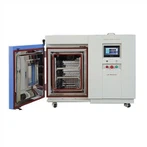
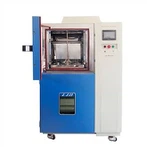
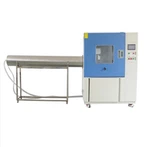
A shelf life test chamber is a specialized piece of equipment designed to create and maintain precise environmental conditions for product testing. These chambers can simulate various temperature, humidity, and light exposure levels, allowing manufacturers to assess product performance under different storage conditions. By utilizing a shelf life test chamber, companies can accurately predict how their products will behave over time in real-world situations.
Types of Products Tested
Shelf life testing is applicable to a wide range of products, including:
- Food and beverages
- Pharmaceuticals
- Cosmetics and personal care items
- Electronics
- Packaging materials
- Chemicals and industrial products
Key Advantages of Shelf Life Testing
Enhanced Product Quality Assurance
One of the essential benefits of shelf life testing is the capacity to guarantee reliable item quality all through the expected shelf life. By exposing items to sped up maturing conditions in a shelf life test chamber, makers can recognize likely quality issues before they happen on the lookout. This proactive methodology permits organizations to make important changes in accordance with details, bundling, or capacity proposals, at last prompting further developed item quality and consumer loyalty.
Optimized Packaging and Formulation
Shelf life testing provides valuable insights into the effectiveness of packaging materials and product formulations. By evaluating how different packaging options and ingredients perform under various environmental conditions, manufacturers can optimize their products for longevity and stability. This optimization can lead to extended shelf life, reduced waste, and improved cost-effectiveness in production and distribution.
Compliance with Regulatory Requirements
Many industries are subject to strict regulatory requirements regarding product shelf life and stability. Conducting thorough shelf life tests using a reliable shelf life test chamber helps manufacturers demonstrate compliance with these regulations. This compliance is crucial for obtaining necessary approvals and certifications, ensuring market access, and maintaining consumer trust.
Implementing Effective Shelf Life Testing Strategies
Selecting the Right Test Conditions
To maximize the benefits of shelf life testing, it's essential to select appropriate test conditions that accurately represent real-world scenarios. This involves considering factors such as temperature fluctuations, humidity levels, light exposure, and potential transportation stresses. A well-designed shelf life test chamber can simulate these conditions precisely, providing reliable and reproducible results.
Establishing Clear Testing Protocols
Developing standardized testing protocols is crucial for obtaining consistent and meaningful results from shelf life tests. These protocols should outline specific testing parameters, sampling frequencies, and evaluation criteria. By following established protocols, manufacturers can ensure the reliability and comparability of their shelf life data across different product batches and testing cycles.
Leveraging Accelerated Aging Techniques
Accelerated aging is a valuable technique in shelf life testing that allows manufacturers to obtain results in a shorter timeframe. By exposing products to more extreme conditions in a shelf life test chamber, companies can simulate long-term aging effects in a matter of weeks or months. This approach enables faster product development cycles and quicker response to potential quality issues.
The Impact of Shelf Life Testing on Business Success
Improved Customer Satisfaction and Brand Loyalty
By conducting thorough shelf life tests, manufacturers can ensure that their products maintain their intended quality throughout their stated shelf life. This consistency leads to increased customer satisfaction and builds trust in the brand. Satisfied customers are more likely to become repeat buyers and recommend products to others, contributing to long-term business success.
Reduced Waste and Cost Savings
Effective shelf life testing helps minimize product waste by accurately determining optimal shelf life and identifying potential factors that may lead to premature deterioration. By addressing these issues proactively, manufacturers can reduce the likelihood of product recalls, returns, and disposal of expired goods. This reduction in waste translates to significant cost savings and improved operational efficiency.
Competitive Advantage in the Market
Companies that invest in comprehensive shelf life testing using advanced shelf life test chambers gain a competitive edge in the market. The ability to offer products with longer shelf life, improved stability, and consistent quality sets these manufacturers apart from their competitors. This advantage can lead to increased market share, higher profit margins, and enhanced brand reputation.
Future Trends in Shelf Life Testing
Integration of Artificial Intelligence and Machine Learning
As technology continues to advance, the integration of artificial intelligence (AI) and machine learning (ML) in shelf life testing is becoming increasingly prevalent. These technologies can analyze vast amounts of data from shelf life test chambers, identifying patterns and predicting potential issues with greater accuracy and speed. This integration allows for more efficient testing processes and more precise shelf life predictions.
Sustainable Packaging Solutions
With growing environmental concerns, there is a rising demand for sustainable packaging solutions. Shelf life testing plays a crucial role in evaluating the performance of eco-friendly packaging materials. Advanced shelf life test chambers can help manufacturers assess the effectiveness of these sustainable alternatives in preserving product quality and extending shelf life.
Real-time Monitoring and IoT Integration
The Internet of Things (IoT) is revolutionizing shelf life testing by enabling real-time monitoring of products throughout the supply chain. IoT-enabled shelf life test chambers can provide continuous data on environmental conditions, allowing manufacturers to make informed decisions about product quality and shelf life. This technology also facilitates remote monitoring and control of testing processes, improving efficiency and reducing the need for manual intervention.
Conclusion
Shelf life testing offers numerous advantages for manufacturers across various industries. By utilizing advanced shelf life test chambers and implementing effective testing strategies, companies can enhance product quality, optimize formulations and packaging, ensure regulatory compliance, and gain a competitive edge in the market. As technology continues to evolve, the future of shelf life testing promises even greater precision, efficiency, and sustainability.
Contact Us
For more information about our advanced shelf life test chambers and comprehensive environmental testing solutions, please contact us at info@libtestchamber.com. Our team of experts is ready to help you optimize your shelf life testing processes and enhance your product quality assurance strategies.
References
1. Johnson, A. R., & Smith, B. L. (2019). Advancements in Shelf Life Testing Methodologies for Consumer Products. Journal of Food Science and Technology, 56(3), 1225-1237.
2. Patel, S., & Kumar, R. (2020). The Impact of Shelf Life Testing on Product Quality and Consumer Satisfaction. International Journal of Quality Assurance, 12(2), 78-92.
3. Thompson, C. D., et al. (2018). Optimizing Packaging Solutions through Accelerated Shelf Life Testing. Packaging Technology and Science, 31(4), 213-226.
4. Rodriguez-Garcia, M., & Lee, S. Y. (2021). Integration of Artificial Intelligence in Shelf Life Prediction Models. Trends in Food Science & Technology, 108, 445-457.
5. Chang, W. H., & Nguyen, T. T. (2020). Sustainable Packaging Materials: Evaluation through Advanced Shelf Life Testing. Journal of Cleaner Production, 265, 121734.
6. Yamamoto, K., & Brown, E. L. (2022). IoT-Enabled Shelf Life Monitoring: Revolutionizing Quality Control in the Food Industry. Sensors, 22(8), 2987.