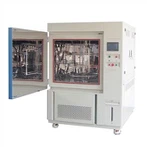
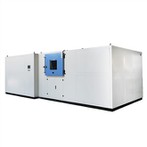
In the world of manufacturing and product development, ensuring the durability and reliability of materials is paramount. One of the most effective ways to test the corrosion resistance of materials is by using a salt fog test chamber. This specialized equipment simulates harsh environmental conditions, allowing manufacturers to assess how their products will hold up over time. But what exactly are the advantages of using a salt fog test chamber? In this article, we'll explore the key benefits of this essential testing tool and why it's a must-have for manufacturers across various industries.

Understanding the Salt Fog Test Chamber
Before diving into the advantages, it's important to understand what a salt fog test chamber is and how it works. A salt fog test chamber is an environmental testing device designed to simulate corrosive conditions, such as those found in coastal or industrial environments. The chamber generates a fine mist of saltwater solution, which is sprayed onto the test specimens. This process accelerates the corrosion process, allowing manufacturers to observe how their products will perform under prolonged exposure to harsh conditions.
How Does a Salt Fog Test Chamber Work?
The operation of a salt fog test chamber is relatively straightforward. The chamber is filled with a saline solution, typically consisting of sodium chloride (NaCl) dissolved in water. The solution is then atomized into a fine mist and dispersed throughout the chamber. Test specimens are placed inside the chamber, where they are exposed to the mist for a predetermined period. The chamber maintains a controlled temperature and humidity level to ensure consistent and accurate results.
Types of Salt Fog Test Chambers
There are several types of salt fog test chambers available, each designed to meet specific testing requirements. The most common types include:
- Continuous Salt Fog Chambers: These chambers continuously spray the saline mist onto the test specimens, providing a constant exposure to corrosive conditions.
- Cyclic Salt Fog Chambers: These chambers alternate between periods of salt fog exposure and drying cycles, simulating more realistic environmental conditions.
- Custom Salt Fog Chambers: For specialized testing needs, custom chambers can be designed to replicate specific environmental conditions, such as varying temperatures, humidity levels, and exposure times.
Industries That Benefit from Salt Fog Testing
Salt fog test chambers are widely used across various industries, including automotive, aerospace, electronics, and construction. Any industry that requires materials to withstand harsh environmental conditions can benefit from salt fog testing. For example, automotive manufacturers use salt fog chambers to test the corrosion resistance of car parts, while electronics manufacturers use them to ensure the durability of circuit boards and connectors.
The Key Advantages of Using a Salt Fog Test Chamber
Now that we have a basic understanding of what a salt fog test chamber is and how it works, let's explore the key advantages of using this testing tool.
Accelerated Corrosion Testing
One of the primary advantages of using a salt fog test chamber is its ability to accelerate the corrosion process. In natural environments, corrosion can take months or even years to become noticeable. However, in a salt fog test chamber, this process is significantly sped up, allowing manufacturers to observe the effects of corrosion in a matter of hours or days. This accelerated testing is invaluable for product development, as it enables manufacturers to quickly identify potential weaknesses and make necessary improvements before the product reaches the market.
- Time-Efficient Testing: The accelerated nature of salt fog testing allows manufacturers to conduct thorough corrosion assessments in a fraction of the time it would take in real-world conditions. This time efficiency is crucial for meeting tight production schedules and reducing time-to-market for new products.
- Early Detection of Corrosion Issues: By exposing products to accelerated corrosion conditions, manufacturers can detect potential issues early in the development process. This early detection allows for timely adjustments to materials, coatings, or designs, ultimately leading to more durable and reliable products.
- Cost Savings: Accelerated testing also translates to cost savings. By identifying and addressing corrosion issues early, manufacturers can avoid costly recalls, warranty claims, and customer dissatisfaction. Additionally, the ability to test multiple materials or coatings in a short period allows for more cost-effective decision-making.
Comprehensive Material Evaluation
Another significant advantage of using a salt fog test chamber is its ability to provide a comprehensive evaluation of materials and coatings. Corrosion resistance is a critical factor in determining the longevity and performance of materials, especially in industries where products are exposed to harsh environments.
- Testing a Wide Range of Materials: Salt fog test chambers can be used to evaluate a wide range of materials, including metals, plastics, coatings, and composites. This versatility makes them an essential tool for manufacturers across various industries. Whether testing the corrosion resistance of a metal alloy or the durability of a protective coating, a salt fog test chamber provides valuable insights into material performance.
- Assessing Coating Effectiveness: Protective coatings are often applied to materials to enhance their corrosion resistance. Salt fog testing allows manufacturers to assess the effectiveness of these coatings under simulated environmental conditions. By comparing the performance of different coatings, manufacturers can determine which options provide the best protection against corrosion, ensuring that their products meet the highest standards of durability.
- Evaluating Long-Term Performance: While accelerated testing provides quick results, it also offers insights into the long-term performance of materials. By simulating years of exposure in a short period, salt fog test chambers help manufacturers predict how their products will perform over time. This information is crucial for industries where product longevity is a key selling point, such as automotive and aerospace.
Ensuring Compliance with Industry Standards
In many industries, products must meet specific standards and regulations related to corrosion resistance. Using a salt fog test chamber helps manufacturers ensure that their products comply with these requirements, which is essential for market acceptance and customer trust.
- Meeting International Standards:
Salt fog testing is a widely recognized method for assessing corrosion resistance, and it is often required by international standards such as ASTM B117, ISO 9227, and JIS Z 2371. By conducting salt fog tests, manufacturers can demonstrate that their products meet these stringent standards, which is particularly important for companies operating in global markets.
- Enhancing Product Credibility:
Compliance with industry standards not only ensures that products are safe and reliable but also enhances their credibility in the marketplace. Customers are more likely to trust products that have been rigorously tested and certified to meet recognized standards. This trust can translate into increased sales and a stronger brand reputation.
- Facilitating Market Entry:
For manufacturers looking to enter new markets, meeting local and international standards is often a prerequisite. Salt fog testing provides the necessary documentation and proof of compliance, making it easier for companies to gain market entry and expand their global reach.
Practical Applications of Salt Fog Testing
Salt fog test chambers are not just theoretical tools; they have practical applications that directly impact product development and quality assurance. Understanding these applications can help manufacturers make informed decisions about incorporating salt fog testing into their processes.
Automotive Industry
In the automotive industry, corrosion resistance is critical for ensuring the longevity and safety of vehicles. Salt fog testing is commonly used to evaluate the durability of car parts, such as body panels, exhaust systems, and fasteners. By simulating the corrosive effects of road salt and other environmental factors, manufacturers can ensure that their vehicles remain rust-free and safe for years to come.
Aerospace Industry
In the aerospace industry, materials and components are exposed to extreme environmental conditions, including high humidity, saltwater, and temperature fluctuations. Salt fog testing is essential for evaluating the corrosion resistance of aircraft components, ensuring that they can withstand the rigors of flight and prolonged exposure to harsh environments.
Electronics Industry
In the electronics industry, corrosion can lead to short circuits, malfunctions, and product failures. Salt fog testing is used to evaluate the durability of electronic components, connectors, and enclosures, ensuring that they can withstand exposure to moisture and corrosive environments.
Conclusion
The advantages of using a salt fog test chamber extend far beyond simple corrosion testing. These chambers are essential tools for manufacturers who are committed to producing high-quality, durable products that can withstand the rigors of real-world environments.
By accelerating the corrosion process, providing comprehensive material evaluations, and ensuring compliance with industry standards, salt fog test chambers play a critical role in product development, quality assurance, and market success.
For more information about our salt fog test chambers and how they can benefit your business, please contact us at info@libtestchamber.com. Let us help you ensure that your products stand the test of time.
References
1. ASTM B117 Standard Practice for Operating Salt Spray (Fog) Apparatus.
2. ISO 9227 Corrosion Tests in Artificial Atmospheres - Salt Spray Tests.
3. JIS Z 2371 Methods of Salt Spray Testing.
4. "Corrosion Resistance Testing in the Automotive Industry," Journal of Materials Engineering.
5. "The Role of Environmental Testing in Aerospace Component Durability," Aerospace Testing International.
6. "Evaluating the Durability of Electronic Components in Corrosive Environments," Electronics Manufacturing Journal.