
In the world of material testing and quality assurance, the xenon arc test stands out as a crucial method for evaluating the durability and longevity of various products. This comprehensive guide will delve into the intricacies of xenon arc testing, its applications, and the importance of xenon arc weathering chambers in modern industry.

Understanding Xenon Arc Testing
Xenon arc testing is a sophisticated method used to simulate and accelerate the effects of sunlight, rain, and other environmental factors on materials. This process is vital for manufacturers and researchers who need to assess how products will perform over time when exposed to harsh outdoor conditions.
-
The Science Behind Xenon Arc Testing
At its core, xenon arc testing relies on the use of xenon lamps to produce light that closely mimics natural sunlight. These lamps emit a

spectrum of light that includes ultraviolet (UV), visible, and infrared radiation, providing a more accurate representation of solar radiation than other artificial light sources.
-
Components of a Xenon Arc Weathering Chamber
A xenon arc weathering chamber is a specialized piece of equipment designed to conduct these tests. It typically consists of several key components:
- Xenon arc lamp
- Optical filters
- Spray nozzles for simulating rain or humidity
- Temperature and humidity controls
- Sample mounting racks
- Monitoring and control systems
-
The Testing Process
During a xenon arc test, samples are placed in the xenon arc weathering chamber and subjected to cycles of light exposure, temperature changes, and moisture. These cycles can be customized to simulate specific environmental conditions or to adhere to standardized testing protocols.
Applications of Xenon Arc Testing
Xenon arc testing finds applications across a wide range of industries, each benefiting from its ability to predict material performance under real-world conditions.
-
Automotive Industry
In the automotive sector, xenon arc testing is indispensable for evaluating the durability of:
- Exterior paints and coatings
- Interior materials such as dashboard components and upholstery
- Headlight lenses and other plastic components
-
Construction and Building Materials

For construction professionals, xenon arc testing helps in assessing the longevity of:
- Roofing materials
- Exterior paints and finishes
- Siding and cladding materials
- Window treatments and glazing
-
Textile and Apparel Industry
In the textile world, xenon arc testing is crucial for:
- Evaluating fabric color fastness
- Testing the durability of outdoor fabrics and upholstery
- Assessing the performance of protective clothing
Benefits of Using Xenon Arc Weathering Chambers
The adoption of xenon arc weathering chambers offers numerous advantages to manufacturers and researchers alike.
-
Accelerated Testing
One of the primary benefits of xenon arc testing is its ability to accelerate the weathering process. What might take years to occur naturally can be simulated in a matter of weeks or months, allowing for faster product development and quality assurance processes.
-
Reproducibility and Consistency
Xenon arc weathering chambers provide a controlled environment that ensures test results are reproducible and consistent. This level of control is crucial for comparing different materials or formulations and for meeting industry standards.
-
Cost-Effective Quality Assurance
By identifying potential issues early in the product development cycle, xenon arc testing can save companies significant amounts of money in the long run. It helps prevent costly recalls and improves overall product quality.
Choosing the Right Xenon Arc Weathering Chamber
Selecting the appropriate xenon arc weathering chamber is crucial for obtaining accurate and reliable test results.
-
Capacity and Size Considerations
When choosing a xenon arc weathering chamber, consider the size and number of samples you need to test simultaneously. Chambers come in various sizes, from small bench top models to large walk-in rooms.
-
Spectral Control Options
Look for chambers that offer precise spectral control through the use of optical filters. This ensures that the light spectrum closely matches natural sunlight or specific testing standards.
-
Environmental Control Features
Advanced LIB xenon arc weathering chambers should offer precise control over temperature, humidity, and water spray cycles to simulate a wide range of environmental conditions.
Interpreting Xenon Arc Test Results
Understanding the results of xenon arc testing is crucial for making informed decisions about material selection and product development.
-
Visual Assessment
After testing, samples are often evaluated visually for signs of:
- Color fading or changes
- Surface degradation
- Cracking or crazing
- Delamination in composite materials
-
Mechanical Property Changes
In addition to visual changes, xenon arc testing can reveal alterations in mechanical properties such as:
- Tensile strength
- Flexibility
- Impact resistance
-
Correlation with Real-World Performance
While xenon arc testing provides valuable insights, it's important to correlate test results with real-world performance data to ensure accurate predictions of product lifespan and durability.
Popular weathering chambers

Accurate Sunlight Simulation, Reliable Weathering Results, ASTM G155 Compliant Testing

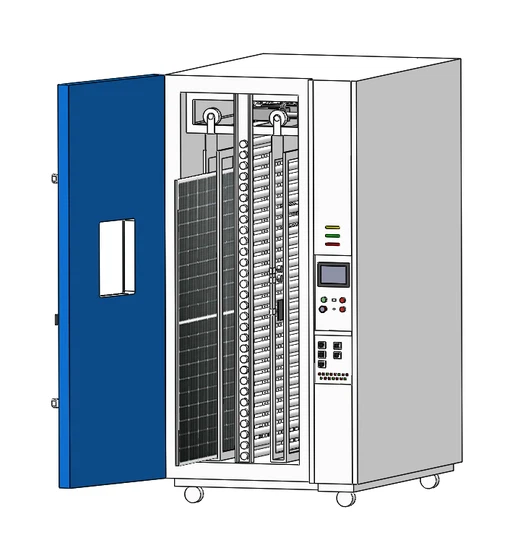
Designed for Solar Module Durability Testing, Stable UV Irradiance Control

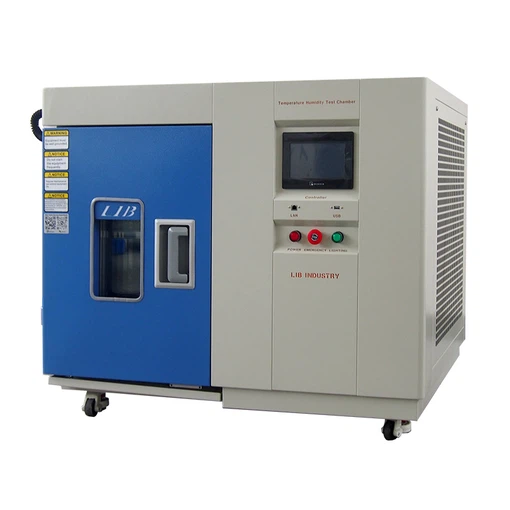
Reproduce Real Climate Conditions, Enhance Product Reliability

Conclusion
Xenon arc testing, facilitated by sophisticated xenon arc weathering chambers, plays a pivotal role in ensuring the quality and longevity of countless products we use daily. From automotive components to building materials and textiles, this testing method provides invaluable insights into how materials will perform over time when exposed to environmental stressors.
For businesses looking to enhance their quality assurance processes or researchers seeking to push the boundaries of material science, investing in a high-quality xenon arc weathering chamber is a decision that can yield significant benefits in product development, customer satisfaction, and long-term success.
Contact Us
If you're interested in learning more about xenon arc weathering chambers or need assistance in selecting the right equipment for your testing needs, don't hesitate to reach out. Contact LIB industry at info@libtestchamber.com for expert advice and solutions tailored to your specific requirements.
References
1. Schulz, U. (2019). Accelerated Testing: Nature and Artificial Weathering in the Coatings Industry. Vincentz Network.
2. ASTM International. (2020). ASTM G155-13: Standard Practice for Operating Xenon Arc Light Apparatus for Exposure of Non-Metallic Materials.
3. Wypych, G. (2018). Handbook of Material Weathering. ChemTec Publishing.
4. Nichols, M. E., & Darr, C. A. (2018). Effect of Weathering on the Scratch and Mar Resistance of Automotive Clearcoats. Progress in Organic Coatings, 124, 175-182.
5. Grossman, G. W. (2017). Correlation of Laboratory to Natural Weathering. In Durability of Building Materials and Components (pp. 225-247). Springer.
6. Pickett, J. E. (2018). Weathering of Polymers. In Handbook of Environmental Degradation of Materials (pp. 163-184). William Andrew Publishing.
Your Premium trial has ended


