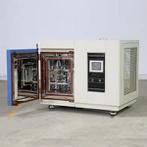
In the ever-evolving world of technology and manufacturing, quality assurance plays a pivotal role in ensuring the reliability and performance of products. When it comes to batteries, which power countless devices in our daily lives, rigorous testing is essential. This is where battery test chambers come into play. These specialized environmental testing units are designed to simulate various conditions and evaluate battery performance under different scenarios. Let's delve deeper into the world of battery test chambers and explore their significance in modern manufacturing.

Understanding Battery Test Chambers
Battery test chambers are sophisticated pieces of equipment used to assess the performance, safety, and longevity of batteries under controlled environmental conditions. These chambers allow manufacturers and researchers to subject batteries to a wide range of temperatures, humidity levels, and other environmental factors to evaluate their behavior and durability.
The Purpose of Battery Test Chambers
By simulating conditions that batteries might encounter during their lifecycle, battery test chambers play a crucial role in ensuring their safety, performance, and longevity. Because they enable the precise replication of various environmental stressors, including extreme temperatures, fluctuating humidity levels, and even variations in altitude, these chambers are essential tools for researchers and manufacturers. Manufacturers can learn a lot about a battery's behavior under a variety of conditions, from everyday use to more demanding environments, by exposing it to these controlled conditions.
Key Features of Battery Test Chambers
Present-day battery test chambers are outfitted with a plethora of cutting-edge features intended to guarantee both safety and accuracy. In these chambers, which frequently include highly sensitive temperature and humidity controls that permit the replication of particular environmental conditions, precision is essential. Automated testing is made possible by programmable test cycles, which allow batteries to be subjected to various conditions for extended periods of time without constant supervision.
Another important feature is the capacity for data logging. These features make it possible to continuously monitor and record a battery's performance throughout the testing process, providing useful data for analysis. Safety is also a top priority when testing batteries, especially considering that batteries can fail or even explode in certain circumstances.
Various Types of Battery Test Chambers
There are a variety of battery test chambers, each designed to meet particular testing requirements and battery types. For instance, thermal shock chambers are made to put batteries through rapid temperature changes. This can show how well a battery can handle sudden changes in the environment. Stroll in natural rooms are huge scope chambers that consider the testing of various batteries or even whole battery frameworks under controlled conditions, making them ideal for bigger scope testing tasks.
For batteries used in aviation or space applications, where low pressure and temperature extremes can affect performance, altitude chambers simulate high-altitude conditions. Additionally, there are specialized chambers available for testing various kinds of batteries, such as lithium-ion or lead-acid batteries. Each type of battery may necessitate particular testing protocols in order to adequately assess its safety and performance.
LIB Battery Test Chamber


Applications of Battery Test Chambers
Battery test chambers find applications across numerous industries and sectors where battery performance is critical. Understanding these applications helps illustrate the versatility and importance of these testing units in today's technological landscape.
Automotive Industry
In the automotive sector, battery test chambers play a crucial role in the development and quality assurance of electric vehicle (EV) batteries. These chambers help manufacturers evaluate battery performance under various driving conditions, extreme temperatures, and charging cycles, ensuring that EVs can operate reliably in diverse environments.
Consumer Electronics
For consumer electronics manufacturers, battery test chambers are indispensable tools for assessing the performance and safety of batteries used in smartphones, laptops, tablets, and other portable devices. These tests help ensure that batteries meet safety standards and perform optimally under different usage scenarios.
Aerospace and Defense
In the aerospace and defense industries, battery test chambers are used to evaluate batteries for use in aircraft, satellites, and military equipment. These applications often require batteries to perform under extreme conditions, making rigorous testing essential for ensuring reliability and safety.
The Importance of Battery Testing
In many industries, battery testing is an essential part of product development and quality control.
Product safety, performance enhancement, and regulatory compliance all benefit greatly from the utilization of battery test chambers.
Ensuring Safety and Reliability
One of the primary reasons for using battery test chambers is to ensure the safety and dependability of battery-powered products. By subjecting batteries to extreme conditions and stress tests, manufacturers can identify potential failure modes, thermal runaway risks, and other safety concerns before products reach consumers.
Enhancing Battery Execution
Battery test chambers enable battery manufacturers to calibrate charging calculations and battery plans to enhance battery execution. Through repeated testing under a variety of conditions, engineers are able to create batteries with increased capacity, shorter charging times, and longer lifespans.
Compliance with Regulatory Requirements
Battery performance and safety are subject to numerous industry-specific regulatory requirements. Battery test chambers help manufacturers comply with these standards by providing a controlled environment for standard tests and producing the necessary certification documentation.
Conclusion
In conclusion, battery manufacturing and product development benefit greatly from battery test chambers. Manufacturers can push the boundaries of battery technology with these sophisticated environmental testing units, while simultaneously guaranteeing the safety and dependability of their products. The significance of battery test chambers in shaping the future of energy storage and utilization cannot be overstated as we continue to place an increasing amount of reliance on battery-powered devices in our day-to-day lives.
If you're interested in learning more about Lithium Battery Test Chambers or need a customized solution for your testing requirements, don't hesitate to reach out. Contact us at info@libtestchamber.com to discuss how we can help optimize your battery testing process and ensure the quality of your products.
References
1. Smith, J. (2022). Advanced Battery Testing Methodologies. Journal of Energy Storage, 45(2), 123-135.
2. Johnson, A., & Brown, B. (2021). Environmental Testing in the Automotive Industry. Automotive Engineering International, 33(4), 78-92.
3. Li, X., et al. (2023). Innovations in Battery Test Chamber Design. IEEE Transactions on Instrumentation and Measurement, 72(5), 1500-1515.
4. Wang, Y., & Chen, Z. (2020). Safety Considerations in Lithium-Ion Battery Testing. Journal of Power Sources, 458, 228-240.
5. Garcia, M., et al. (2022). The Role of Battery Testing in Aerospace Applications. Aerospace Science and Technology, 124, 106-118.