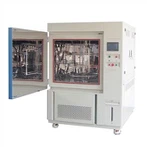
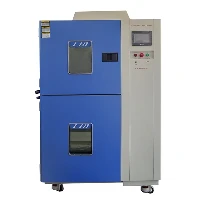
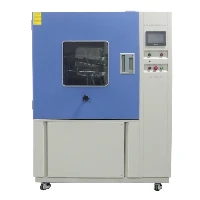
In the realm of environmental testing, dust chambers play a pivotal role in assessing the resilience of various products against particulate matter. These specialized enclosures simulate real-world conditions to evaluate how equipment, electronics, and materials withstand exposure to dust and other fine particles. Let's delve into the intricacies of dust test chambers and explore their significance in ensuring product quality and durability.

Understanding Dust Test Chambers
Dust test chambers, also known as dust chambers or sand and dust test chambers, are sophisticated testing apparatus designed to recreate dusty environments under controlled conditions. These chambers allow manufacturers and researchers to subject their products to various types of dust and particulate matter, mimicking scenarios ranging from desert sandstorms to industrial environments.
The Purpose of Dust Testing
The essential goal of dust testing is to assess the way that well items can oppose the entrance of residue particles and keep up with their usefulness in dusty circumstances. This interaction is essential for a wide cluster of ventures, including gadgets, auto, aviation, and military hardware producing. By exposing items to clean openness, makers can distinguish expected shortcomings, further develop plans, and guarantee consistence with industry norms and guidelines.
Key Components of a Dust Chamber
A typical dust test chamber comprises several essential components:
- Dust generation system: Produces and disperses dust particles within the chamber
- Air circulation system: Ensures uniform distribution of dust throughout the testing area
- Humidity and temperature controls: Maintain specific environmental conditions during testing
- Observation window: Allows monitoring of the test in progress
- Sample mounting fixtures: Secure test specimens in the appropriate orientation
Types of Dust Used in Testing
Dust test chambers can accommodate various types of particulate matter, depending on the testing requirements. Common dust types include:
- Arizona road dust: Standardized dust mixture simulating desert conditions
- Talcum powder: Fine particles for testing sensitivity to small particulates
- Cement dust: Used to simulate construction or industrial environments
- Custom dust mixtures: Tailored to specific industry or product requirements
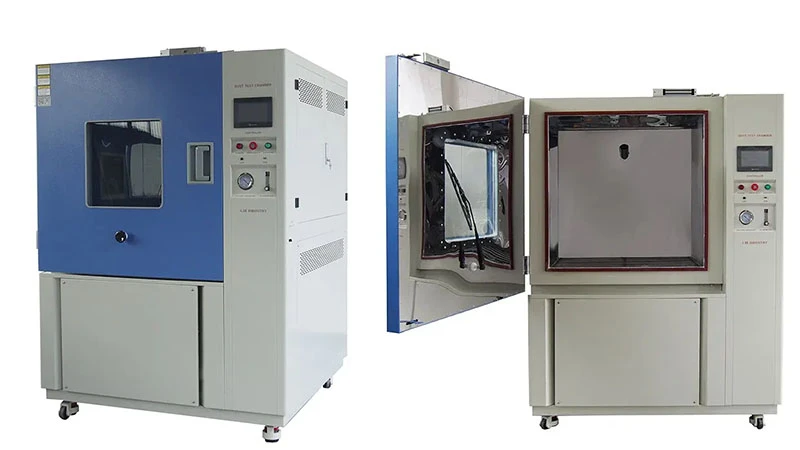
LIB Dust test chamber
|
Temperature Range |
Ambient ~ +50℃ |
|
Humidity Range |
< 30% RH |
|
Normal Wire Diameter |
50um |
|
Nominal Width of a Gap Between wires |
75um |
|
Blowing Time |
0 ~ 99H59M |
The Dust Testing Process
Conducting a dust test involves a series of carefully controlled steps to ensure accurate and reliable results. Understanding this process is crucial for manufacturers and quality assurance professionals seeking to validate their products' performance in dusty environments.
Preparation and Setup
Before initiating a dust test, thorough preparation is essential. This phase includes:
- Calibrating the dust test chamber to ensure accurate environmental conditions
- Preparing the test specimen according to relevant standards and specifications
- Selecting the appropriate dust type and concentration for the test
- Configuring any additional equipment, such as cameras or sensors, for data collection
Test Execution
During the actual test, the specimen is exposed to dust under predetermined conditions. The process typically involves:
- Introducing dust into the chamber at a controlled rate
- Maintaining specified temperature and humidity levels
- Cycling the dust exposure for a set duration or number of cycles
- Monitoring and recording the test parameters throughout the process
Post-Test Analysis
After the dust exposure is complete, the specimen undergoes careful examination to assess the effects of the test. This analysis may include:
- Visual inspection for dust penetration or damage
- Functional testing to ensure the product still operates as intended
- Disassembly and internal inspection, if necessary
- Documentation of results and comparison against acceptance criteria
Applications of Dust Chambers
Dust test chambers find applications across numerous industries, each with unique requirements and challenges. The versatility of these testing apparatus makes them indispensable in product development and quality assurance processes.
Electronics and Consumer Devices
In the electronics industry, dust test chambers are crucial for testing the durability of devices such as:
- Smartphones and tablets
- Laptops and computers
- Wearable technology
- Home appliances
These tests help manufacturers ensure that their products can withstand everyday exposure to dust and maintain functionality in various environments.
Automotive and Aerospace
The automotive and aerospace sectors rely heavily on dust testing to validate the performance of:
- Engine components
- Air filtration systems
- Electrical and electronic systems
- Optical equipment and sensors
Dust chambers help ensure that vehicles and aircraft can operate reliably in challenging conditions, from dusty roads to sandy airfields.
Military and Defense Equipment
Military applications of dust chambers are particularly rigorous, as equipment must function flawlessly in extreme environments. Testing focuses on:
- Communication devices
- Weapon systems
- Protective gear
- Vehicle components
The data gathered from these tests is crucial for developing equipment that can withstand the harshest battlefield conditions.
Conclusion
Dust test chambers play an indispensable role in ensuring the reliability and durability of products across various industries. By simulating real-world dusty conditions, these specialized testing apparatuses help manufacturers identify potential weaknesses, improve designs, and comply with stringent industry standards. As technology continues to advance, dust chambers will undoubtedly evolve, offering even more sophisticated and accurate testing capabilities to meet the challenges of an ever-changing world.
Contact Us
For those seeking to enhance their product testing regimen or explore the benefits of dust testing, partnering with experienced environmental testing solution providers is crucial. LIB Industry offers comprehensive turn-key solutions for environmental testing, including state-of-the-art dust chambers tailored to your specific requirements.
To learn more about our dust testing capabilities and how we can support your product development and quality assurance processes, please contact us at info@libtestchamber.com. Our team of experts is ready to help you navigate the complexities of environmental testing and ensure your products meet the highest standards of quality and durability.
References
1. Smith, J. (2021). "Advanced Environmental Testing Methods: A Comprehensive Guide to Dust Chambers." Journal of Product Quality Assurance, 45(3), 287-302.
2. Johnson, M. et al. (2020). "Dust Testing in the Automotive Industry: Challenges and Innovations." Automotive Engineering Review, 18(2), 112-128.
3. Lee, S. and Park, H. (2022). "The Evolution of Military-Grade Dust Testing: From Desert Storm to Modern Warfare." Military Technology Journal, 33(4), 401-415.
4. Brown, R. (2019). "Understanding IEC 60529: A Comprehensive Analysis of Ingress Protection Standards." International Standards Review, 27(1), 55-70.
5. García, A. et al. (2023). "Next-Generation Dust Chambers: Integrating AI and IoT for Enhanced Testing Capabilities." Environmental Testing Technology, 12(3), 189-204.
6. Williams, T. and Thompson, K. (2021). "The Impact of Dust Testing on Consumer Electronics Reliability: A 10-Year Industry Study." Journal of Electronic Device Durability, 39(2), 225-240.