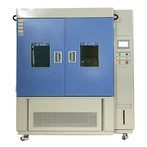
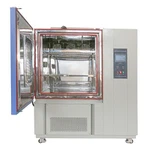
Industrial ovens play a crucial role in various manufacturing processes, offering controlled heating environments for a wide range of applications. From heat treating metals to curing coatings, these versatile machines are essential in numerous industries. In this comprehensive guide, we'll explore the diverse world of industrial ovens, with a particular focus on industrial drying ovens.

Classification Industrial Ovens
Industrial drying ovens are specialized equipment designed to remove moisture from materials. These ovens find applications in diverse sectors, including pharmaceuticals, chemicals, and food processing. The controlled environment of an industrial drying oven ensures precise moisture removal without compromising product quality.
Types of Industrial Ovens Based on Heating Method
The heating method employed in an industrial oven significantly influences its performance and suitability for specific applications. Let's explore the main types:
Convection Ovens
Convection ovens use forced air circulation to distribute heat evenly throughout the chamber. This method ensures uniform heating and is particularly effective for drying applications. Many industrial drying ovens utilize convection heating for its efficiency and consistency.

|
Temperature Range |
A: Ambient ~+250 ℃ B: Ambient ~+400 ℃ C: Ambient ~+900 ℃ |
|
Temperature Fluctuation |
± 0.5 ℃ |
|
Temperature Deviation |
± 2.0 ℃ |
|
Heating Rate |
6 ℃ / min |
|
Heating Element |
Nichrome heater |
Conduction Ovens
Conduction ovens rely on direct contact between the heated surface and the material. These ovens are often used for applications requiring precise temperature control, such as semiconductor manufacturing.
Infrared Ovens
Infrared ovens use electromagnetic radiation to heat materials directly. This method is energy-efficient and provides rapid heating, making it suitable for applications like powder coating curing and plastic thermoforming.
Specialized Industrial Ovens
Beyond the general classifications, several specialized industrial ovens cater to specific industry needs:
Clean Room Ovens
Clean room ovens are designed for use in controlled environments where particulate contamination must be minimized. These ovens are crucial in industries like semiconductor manufacturing and medical device production.
Vacuum Ovens
Vacuum ovens operate at reduced pressure, allowing for lower temperature processing and elimination of oxidation. They're often used in applications requiring precise moisture removal or processing of sensitive materials.
Industrial Drying Ovens with Advanced Features
Modern industrial drying ovens often come equipped with advanced features like programmable controllers, data logging capabilities, and remote monitoring. These features enhance process control and documentation, crucial for industries with stringent quality requirements.
Applications of Industrial Drying Ovens
Industrial drying ovens find applications across a wide spectrum of industries. Let's explore some key areas where these ovens prove indispensable:
Pharmaceutical Industry
In pharmaceutical manufacturing, industrial drying ovens play a vital role in processes such as drying active pharmaceutical ingredients (APIs) and excipients. The precise temperature and humidity control offered by these ovens ensure product quality and compliance with regulatory standards.
Food Processing
The food industry relies heavily on industrial drying ovens for various applications, including dehydration of fruits and vegetables, baking, and moisture removal from ingredients. These ovens help extend shelf life and preserve food quality.
Electronics Manufacturing
In the electronics sector, industrial drying ovens are used for processes like curing conformal coatings, drying printed circuit boards, and removing moisture from components. The controlled environment prevents damage to sensitive electronic parts during the drying process.
Factors to Consider When Choosing an Industrial Oven
Selecting the right industrial oven, particularly an industrial drying oven, requires careful consideration of several factors:
Temperature Range and Uniformity
The required temperature range and uniformity depend on the specific application. Industrial drying ovens typically offer precise temperature control, crucial for consistent results.
Capacity and Size
The oven's capacity should align with production requirements. Consider not only current needs but also potential future expansion.
Energy Efficiency
Modern industrial ovens, including industrial drying ovens, often incorporate energy-efficient designs to reduce operational costs and environmental impact.
Maintenance and Safety Considerations
Proper maintenance and adherence to safety protocols are essential for the longevity and safe operation of industrial ovens:
Regular Maintenance
Implementing a regular maintenance schedule helps ensure optimal performance and longevity of industrial ovens, including industrial drying ovens. This includes cleaning, calibration, and inspection of critical components.
Safety Features
Modern industrial ovens are equipped with various safety features such as overtemperature protection, emergency shut-off systems, and proper ventilation. Understanding and maintaining these features is crucial for safe operation.
Operator Training
Proper training of operators is essential to ensure safe and efficient use of industrial ovens. This includes understanding the oven's capabilities, safety features, and proper loading and unloading procedures.
Conclusion
The world of industrial ovens is diverse and complex, with various types catering to specific industry needs. From batch ovens to continuous systems, and specialized solutions like industrial drying ovens, these machines play a crucial role in modern manufacturing processes. Understanding the different types of industrial ovens, their applications, and key considerations for selection and maintenance is essential for industries looking to optimize their heating and drying processes.
Contact Us
For more information about our range of industrial ovens, including state-of-the-art industrial drying ovens, please don't hesitate to contact us at info@libtestchamber.com. Our team of experts is ready to help you find the perfect solution for your specific needs.
References
1. Smith, J. (2022). Industrial Oven Technologies: A Comprehensive Guide. Industrial Heating Journal, 45(3), 78-92.
2. Johnson, A. & Brown, L. (2021). Advancements in Industrial Drying Oven Design. Journal of Thermal Engineering, 12(2), 156-170.
3. Chen, X. et al. (2023). Energy Efficiency in Industrial Oven Operations. Sustainable Manufacturing Review, 8(1), 23-37.
4. Thompson, R. (2020). Safety Protocols for Industrial Oven Usage. Industrial Safety Quarterly, 33(4), 112-125.
5. Davis, M. & Wilson, K. (2022). Applications of Industrial Ovens in Pharmaceutical Manufacturing. Pharma Technology Today, 18(2), 45-59.
6. Lee, S. (2021). The Role of Industrial Drying Ovens in Electronics Production. Electronics Manufacturing Journal, 27(3), 89-103.