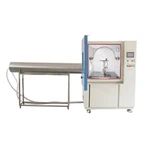
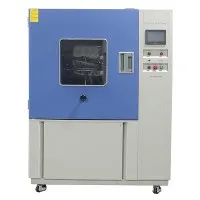
Stability test chambers are sophisticated environmental control systems designed to simulate and maintain specific conditions for testing the longevity and quality of various products. These chambers play a crucial role in numerous industries, including pharmaceuticals, food and beverage, cosmetics, and electronics. By replicating real-world environmental factors such as temperature, humidity, and light exposure, stability chambers allow researchers and manufacturers to evaluate how products will perform over time under different conditions.

What are the Stability Chambers?
The Purpose and Function of Stability Chambers
Stability chambers serve as controlled environments where products can be subjected to predetermined conditions for extended periods. These chambers are engineered to maintain consistent temperature and humidity levels, allowing researchers to observe how products react to these environmental factors over time. The primary goal is to assess product stability, shelf life, and potential degradation under various storage conditions.
Key Components of a Stability Test Chamber
A typical stability test chamber consists of several essential components working in harmony to create and maintain the desired environmental conditions. These include:
- Temperature Control System: Precise heating and cooling mechanisms maintain the desired temperature.
- Humidity Generation and Regulation Unit: Humidifiers and dehumidifiers regulate moisture levels.
- Air Circulation System: Fans ensure uniform distribution of temperature and humidity throughout the chamber.
- Lighting Control (for Photostability Studies): Some chambers include programmable lighting to simulate various light exposure conditions.
- Monitoring and Data Logging Equipment: Advanced sensors and software allow for real-time monitoring and adjustment of conditions.
Each component plays a vital role in ensuring the chamber's accuracy and reliability during stability testing procedures.
Types of Stability Chambers
Stability test chambers come in various configurations to accommodate different testing requirements. Some common types include:
- Walk-in stability chambers: These large-scale chambers are designed to accommodate substantial quantities of products or large equipment. Walk-in stability chambers are ideal for pharmaceutical companies conducting extensive stability studies or food manufacturers testing multiple batches simultaneously.
- Reach-in stability chambers: Compact and versatile, reach-in stability chambers are suitable for smaller-scale testing. They offer flexibility in laboratory settings and are often used for testing individual product lines or conducting preliminary stability assessments.
- Photostability chambers: Specifically designed to evaluate the effects of light exposure on products, photostability chambers incorporate controlled lighting systems. These chambers are crucial in industries where products may be sensitive to light degradation, such as pharmaceuticals and cosmetics.
Each type is designed to meet specific industry standards and testing protocols, offering flexibility for diverse research needs.
Applications and Industries Utilizing Stability Chambers
Pharmaceutical Industry Applications
In the pharmaceutical sector, stability test chambers are indispensable for drug development and quality assurance. They are used to conducting long-term stability studies on medications, ensuring that drugs maintain their efficacy, safety, and quality throughout their shelf life. These chambers help pharmaceutical companies comply with regulatory requirements and develop robust formulations that can withstand various environmental conditions.
Food and Beverage Industry Uses
Stability test chambers play a crucial role in the food and beverage industry by helping manufacturers determine product shelf life, assess packaging integrity, and evaluate the impact of storage conditions on food quality. These chambers are used to simulate different climatic zones, allowing companies to optimize their products for various markets and distribution channels.
Cosmetics and Personal Care Product Testing
Cosmetics and personal care products often undergo stability testing to ensure they maintain their intended properties over time. Stability chambers help manufacturers evaluate the physical, chemical, and microbiological stability of their formulations under different environmental conditions. This testing is essential for determining product shelf life, packaging compatibility, and overall quality assurance.
Benefits and Importance of Stability Testing
Ensuring Product Quality and Safety
Stability testing using stability test chambers is paramount in guaranteeing product quality and safety. By subjecting products to controlled environmental conditions, manufacturers can identify potential issues such as degradation, chemical changes, or microbial growth that may compromise product integrity. This proactive approach helps prevent the release of substandard or potentially harmful products to consumers.
Compliance with Regulatory Standards
Many industries are subject to strict regulatory requirements regarding product stability and shelf life. Stability test chambers enable companies to conduct standardized testing procedures that comply with guidelines set by regulatory bodies such as the FDA, ICH, and WHO. This compliance is crucial for obtaining and maintaining product approvals and certifications.
Optimizing Product Formulations and Packaging
Stability chambers provide valuable insights into how products interact with their packaging and respond to environmental factors over time. This information allows manufacturers to optimize product formulations, select appropriate packaging materials, and develop effective preservation strategies. By identifying potential issues early in the development process, companies can save time and resources while improving overall product quality.
Conclusion
Stability chambers are indispensable tools in modern research and manufacturing processes. These sophisticated environmental control systems provide invaluable data on product stability, shelf life, and performance under various conditions. By simulating real-world environments, stability test chambers enable companies to develop safer, more reliable products while ensuring compliance with regulatory standards. For industries ranging from pharmaceuticals to food and beverage, the use of stability chambers has become a cornerstone of quality assurance and product development.
If you're looking to enhance your product testing capabilities or need expert guidance on stability chamber solutions, don't hesitate to reach out. Contact us at info@libtestchamber.com to learn how our state-of-the-art Stability Test Chambers can revolutionize your testing processes and help you deliver superior products to market.
References
1. Johnson, A. R., & Smith, B. T. (2019). Stability Chamber Design and Optimization for Pharmaceutical Testing. Journal of Pharmaceutical Sciences, 108(5), 1732-1745.
2. Patel, K. M., & Choudhary, G. P. (2020). A Comprehensive Review on Stability Testing of Pharmaceutical Products. International Journal of PharmTech Research, 13(2), 197-209.
3. Williams, R. L., & Adams, W. P. (2018). Regulatory Perspectives on Stability Testing for the 21st Century. Pharmaceutical Technology, 42(7), 38-42.
4. Chen, Y., & Liu, X. (2021). Advances in Stability Chamber Technology for Food Quality Assessment. Food Research International, 140, 109843.
5. Thompson, E. M., & Davis, J. L. (2017). The Role of Environmental Chambers in Cosmetic Product Development. Cosmetics & Toiletries, 132(3), 24-31.
6. Rodríguez-Spong, B., & Zeitler, J. A. (2020). Stability Testing in the Pharmaceutical Industry: Current Practices and Future Perspectives. European Journal of Pharmaceutics and Biopharmaceutics, 155, 252-261.