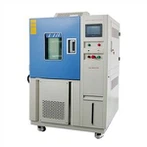
Thermal testing is an essential process in the world of environmental testing. It determines how materials and products react to different temperatures, ensuring they can withstand various conditions without losing their integrity or functionality. But what exactly is the temperature for thermal testing? Understanding the temperature range and purpose of thermal testing using thermal test equipment is critical to industries that rely on high-quality, durable products.
The Importance of Temperature in Thermal Testing
Thermal testing is vital in assessing a product's reliability and longevity. Whether it's electronics, automotive components, or aerospace materials, understanding how temperature variations impact performance is key. The temperature for thermal testing varies depending on the specific requirements of the test, the type of material being tested, and the conditions under which the product will be used.
Temperature Ranges for Thermal Testing
The temperature range for thermal testing can span from extreme cold to extreme heat . Typically, tests are conducted between -70°C to 200°C, but certain specialized tests may go beyond this range. For instance, testing for aerospace components might require temperatures as low as -150°C, while testing for industrial machinery could involve temperatures exceeding 300°C.
- Low-Temperature Testing: Low temperatures simulate conditions such as high-altitude environments or cold storage. Materials exposed to low temperatures must maintain their structural integrity and functionality.
- High-Temperature Testing: High temperatures are used to simulate conditions like desert climates or the heat generated by machinery. Products exposed to high temperatures must resist degradation, deformation, or failure.
- Thermal Cycling: This process involves repeatedly exposing materials to alternating high and low temperatures to simulate the stresses products undergo in real-world scenarios. This test helps identify weaknesses in materials or products that might not be apparent under static temperature conditions.
Selecting the Right Thermal Test Equipment
Choosing the appropriate thermal test equipment is crucial for accurate and reliable testing. The equipment must be capable of reaching and maintaining the required temperature ranges while providing precise control over the testing environment.
- Chamber Size: The size of the thermal test chamber should accommodate the product being tested, allowing for even temperature distribution and accurate results.

- Temperature Control: Accurate temperature control is essential. Equipment should have the ability to precisely control temperature changes and maintain a stable environment throughout the testing process.
- Data Logging and Monitoring: Modern thermal test equipment often includes advanced data logging and monitoring systems. These systems track temperature changes in real-time, providing valuable insights into how a product reacts under different conditions.

Applications of Thermal Testing Across Industries
Thermal testing is applied in various industries to ensure products meet quality standards and perform reliably under different conditions. Each industry has specific temperature requirements based on the intended use of the products.
- Electronics Industry: In electronics, thermal testing ensures that devices can operate effectively across various temperature ranges. This includes testing for temperature extremes and thermal cycling to simulate daily temperature variations.
- Automotive Industry: Thermal testing in the automotive sector is critical for safety and performance. Components such as engines, batteries, and electronic systems must function reliably in both hot and cold environments.
- Aerospace Industry: The aerospace industry demands rigorous thermal testing due to the extreme temperature fluctuations experienced in flight. Components must withstand both the cold of high altitudes and the heat generated during re-entry into the atmosphere.
The Importance of Accurate Temperature Measurement in Thermal Testing
Accurate temperature measurement is a cornerstone of effective thermal testing. The accuracy of the measurements directly impacts the reliability of the test results, which in turn affects the quality and performance of the final product.
Calibration and Maintenance of Thermal Test Equipment
Regular calibration and maintenance of thermal test equipment are essential to ensure accurate temperature measurements. Calibration involves comparing the equipment's temperature readings with a known standard to identify any deviations. Regular maintenance ensures that the equipment remains in optimal working condition, preventing errors and inaccuracies.
- Calibration Frequency: Calibration should be conducted regularly, especially before critical tests. The frequency of calibration depends on the equipment's usage and the precision required for the tests.
- Maintenance Protocols: Establishing a maintenance protocol for thermal test equipment is vital. This includes routine checks, cleaning, and replacing worn-out parts to ensure the equipment's longevity and accuracy.
- Use of Standards: Utilizing recognized temperature standards during calibration ensures consistency and reliability across different tests and equipment.
Innovations in Thermal Test Equipment Technology
Advancements in technology have led to the development of more sophisticated thermal test equipment. These innovations have enhanced the accuracy, reliability, and efficiency of thermal testing.
- Digital Thermometers and Sensors: Modern thermal test equipment often includes digital thermometers and sensors that provide real-time temperature readings with high precision. These devices reduce the risk of human error and improve the accuracy of temperature measurements.
- Automated Testing Systems: Automation in thermal testing allows for more consistent and repeatable tests. Automated systems can manage complex temperature profiles, reducing the need for manual intervention and ensuring uniformity in test conditions.
- Integration with Data Analytics: Integrating thermal test equipment with data analytics software enables more comprehensive analysis of test results. This integration helps identify trends, predict potential failures, and improve product designs.
Challenges in Thermal Testing and How to Overcome Them
Thermal testing presents several challenges, including maintaining precise temperature control, ensuring uniform temperature distribution, and dealing with complex temperature profiles. Overcoming these challenges is essential to obtain accurate and reliable test results.
- Temperature Uniformity: Ensuring uniform temperature distribution within the test chamber is crucial. Uneven temperatures can lead to inaccurate results, as different parts of the product may experience different thermal conditions.
- Complex Test Profiles: Some products require testing under complex temperature profiles that simulate real-world conditions. Managing these profiles requires advanced equipment capable of handling multiple temperature changes with precision.
- Environmental Factors: External environmental factors, such as humidity and airflow, can affect the results of thermal testing. Controlling these factors is essential to ensure that the test environment accurately reflects the conditions the product will face in real-world use.
Optimizing Thermal Testing for Quality Assurance
Optimizing thermal testing processes is key to ensuring product quality and reliability. This involves selecting the right thermal test equipment, following best practices, and continuously improving testing methodologies.
Best Practices for Conducting Thermal Tests
Following best practices in thermal testing ensures that the results are accurate, reliable, and repeatable. These practices include proper test setup, thorough documentation, and careful analysis of the results.
- Test Setup: Properly setting up the test is critical to its success. This includes selecting the right equipment, preparing the product for testing, and ensuring that the test environment is controlled and consistent.
- Documentation: Thorough documentation of the test process and results is essential. This includes recording the test parameters, equipment settings, and any observations made during the test. Documentation helps in analyzing the results and making informed decisions.
- Result Analysis: Analyzing the results of thermal tests involves comparing the data with the product's specifications and performance requirements. This analysis helps identify any potential issues and guides further product development.
Continuous Improvement in Thermal Testing
Continuous improvement in thermal testing processes ensures that the testing remains relevant and effective in a rapidly changing industry. This involves staying updated with the latest advancements in technology, refining test methods, and learning from past experiences.
- Technology Upgrades: Regularly upgrading thermal test equipment with the latest technology ensures that the tests are conducted with the highest level of accuracy and efficiency.
- Refining Test Methods: Continuously refining test methods based on the latest research and industry trends helps improve the reliability and relevance of thermal testing.
- Learning from Experience: Analyzing past test results and learning from any issues or challenges encountered during the testing process helps improve future tests and product development.
Industry Standards and Regulations in Thermal Testing
Adhering to industry standards and regulations in thermal testing ensures that the products meet the required quality and safety standards. These standards provide guidelines for conducting thermal tests and evaluating the results.
- Compliance with Standards: Ensuring that thermal testing procedures comply with industry standards, such as ISO and ASTM, is crucial for product certification and market acceptance.
- Regulatory Requirements: Different industries may have specific regulatory requirements for thermal testing. Understanding and complying with these requirements is essential for product approval and market entry.
- Global Standards: As LIB Industry operates globally, it is important to consider international standards and regulations in thermal testing. This ensures that the products meet the requirements of different markets and customers.
Conclusion
Thermal testing is a critical component of ensuring product quality and reliability. With the right thermal test equipment and a thorough understanding of the testing process, you can ensure that your products meet the highest standards of performance and durability.
At LIB Industry, we specialize in providing turn-key solutions for environmental testing, including thermal testing. To learn more about our products and services, or to discuss your specific testing needs, please contact us at info@libtestchamber.com.
References
1. "Thermal Testing Equipment: Selecting the Right Tools," Journal of Environmental Testing, 2023.
2. "Advances in Temperature Measurement Technology," Materials Testing Innovations, 2022.
3. "Calibration and Maintenance Best Practices for Thermal Test Equipment," Engineering Standards Review, 2021.
4. "Thermal Testing in the Aerospace Industry: Challenges and Solutions," Aerospace Materials Quarterly, 2023.
5. "The Importance of Temperature Uniformity in Thermal Testing," Electronics Testing Journal, 2022.
6. "Global Standards and Regulations in Thermal Testing," International Testing Standards Association, 2023.