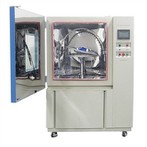
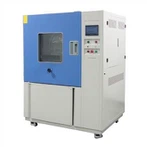
Thermal cycling chambers are essential tools in the field of environmental testing, used to simulate and assess the impact of rapid temperature changes on various materials and products. By understanding the function, benefits, and applications of these chambers, businesses can enhance the reliability and durability of their products. Let's explore what a thermal cycling chamber is, how it works, and why it is crucial in product testing.
|
|
|


What is the Purpose of a Thermal Cycling Chamber?
A thermal cycling chamber is a specialized piece of equipment designed to expose products or materials to alternating high and low temperatures in a controlled environment. This process, known as thermal cycling, is critical in various industries for evaluating the durability and performance of materials and products under stress conditions that mimic real-world environments.
- Identifying Potential Weaknesses and Failures
The primary purpose of a thermal cycling chamber is to identify potential weaknesses or failures in products due to temperature fluctuations. By repeatedly subjecting materials to high and low temperatures, the chamber simulates the thermal stresses that products will encounter during their lifecycle. This rigorous testing helps manufacturers detect vulnerabilities that could lead to product failure, allowing them to address these issues early in the development process. As a result, only the most robust and reliable products make it to market, enhancing customer satisfaction and reducing the risk of costly recalls.
- Simulating Real-World Conditions
Thermal cycling chambers are designed to replicate the extreme temperature variations that products may experience in real-world conditions. This capability is crucial for industries such as automotive, aerospace, and electronics, where products are often exposed to harsh environments. By simulating these conditions in a controlled setting, manufacturers can ensure that their products are capable of withstanding the stresses they will encounter in actual use. This testing not only verifies the durability of the products but also provides valuable data for improving product design and materials.
- Versatility in Testing
These chambers come in various sizes and configurations, catering to different testing needs. Whether testing small electronic components or large automotive parts, there is a thermal cycling chamber suitable for the task. Advanced temperature control systems in these chambers allow for rapid switching between set temperatures, ensuring precise and repeatable test conditions. This versatility makes thermal cycling chambers an indispensable tool for a wide range of applications, from research and development to quality assurance and regulatory compliance.
How Does a Thermal Cycling Chamber Work?
Thermal cycling chambers operate by creating a controlled environment where temperature can be varied rapidly. Here's a step-by-step overview of how they work:
- Preparation
The product or material under test is placed inside the thermal cycling chamber. This chamber is equipped with advanced temperature control systems and sensors that monitor and regulate the internal environment.
- Heating Phase
The chamber initiates the temperature cycling by heating up to a predetermined high temperature. This phase can be adjusted based on testing requirements, reaching temperatures that may exceed 150°C. The heating process is carefully controlled to ensure gradual and uniform temperature rise.
- Soaking Period
Once the chamber reaches the high temperature, it maintains this condition for a specified duration. This soaking period allows the heat to permeate the product, ensuring that all parts experience the intended thermal stress.
- Cooling Phase
Following the soaking period, the chamber rapidly cools down to a preset low temperature. Temperatures can drop as low as -70°C or even lower, simulating rapid temperature changes that products might encounter in real-world scenarios.
- Repeat Cycles
The thermal cycling chamber continues to alternate between the heating and cooling phases according to the programmed parameters. This repetitive cycling is crucial for stressing the material and identifying potential weaknesses or failures that may occur over time.
- Data Collection
Throughout the entire testing process, the chamber collects data on various parameters such as temperature profiles, thermal gradients, and the product's response to thermal stresses. This data is essential for evaluating the product's performance and durability under simulated environmental conditions.
What Are the Benefits and Applications of LIB Thermal Cycling Chambers?
Thermal cycling chambers offer several benefits, making them invaluable in various industries. Here are some key advantages and applications:
- Enhanced Product Reliability
One of the primary benefits of thermal cycling chambers is their ability to improve product reliability. By exposing products to extreme temperature variations, manufacturers can identify potential weaknesses or failures early in the development process. This ensures that only the most robust products reach the market, reducing the risk of recalls and customer dissatisfaction.
- Material Testing and Development
Thermal cycling chambers are extensively used in material testing and development. Engineers and researchers can test the durability and performance of new materials under temperature stress. This helps in the selection of materials that can withstand harsh conditions, leading to the development of better and more reliable products.
- Quality Control and Compliance
For many industries, including automotive, aerospace, and electronics, meeting industry standards and regulations is crucial. Thermal cycling chambers play a vital role in quality control and compliance testing. By ensuring that products can endure extreme temperature fluctuations, companies can meet regulatory requirements and enhance their reputation for quality and reliability.
- Accelerated Life Testing
Thermal cycling chambers are used for accelerated life testing, which simulates the long-term effects of temperature changes over a short period. This type of testing is particularly useful for predicting the lifespan of products and identifying potential points of failure. It allows manufacturers to make informed decisions about product design and materials, ultimately extending the product's life and performance.

| Internal Dimension (mm) | 500*600*750 |
| Overall Dimension (mm) | 960*1150*1860 |
| Temperature Range (℃) | -70℃ ~+150 ℃ |
| Cooling Rate | 10℃/min |
| Heating rate | 10℃/min |
| Temperature Fluctuations | ± 0.5 ℃ |
| Temperature Deviation | ± 2.0 ℃ |
| Controller | Programmable color LCD touch screen controller, Multi-language interface, Ethernet , USB |
| Exterior Material | Steel Plate with protective coating |
| Interior Material | SUS304 stainless steel |
| Maximum Noise | 65 dBA |
Advantages of The LIB Thermal Cycling Chamber
High-Precision Temperature Control
Advanced PID control technology accurately adjusts output during heating and cooling phases, stabilizing temperatures quickly, shortening test times, and saving energy.
Fast Temperature Transition
Supports ramp rates of 5℃ / 10℃ / 15℃ per minute to meet various Environmental Stress Screening (ESS) test requirements, improving product development and validation efficiency.

Multi-Language Smart Controller
Equipped with a programmable color LCD touchscreen supporting multiple languages, including English, Chinese, Russian, Korean, German, French, Spanish, Polish, Turkish, and Romanian, making operation intuitive and user-friendly.

Durable, Corrosion-Resistant Interior
The chamber's SUS304 stainless steel interior provides excellent corrosion and high-temperature resistance, ensuring a stable, safe testing environment and extended service life.

Data Transfer and Network Connectivity
Ethernet and USB interfaces allow data export and remote monitoring, making test data management and traceability efficient and convenient.
Flexible Standard & Custom Options
Available in multiple models and customizable configurations to meet diverse testing requirements, widely applicable in automotive, electronics, aerospace, and materials R&D industries.
Conclusion
Thermal cycling chambers are indispensable tools in environmental testing, offering valuable insights into the durability and performance of products under extreme temperature variations. By understanding their function, working principles, and applications, businesses can leverage these chambers to enhance product reliability, improve material selection, and ensure compliance with industry standards.
If you want to learn more about this kind of Rapid Thermal Cycling Chamber, welcome to contact us info@libtestchamber.com.