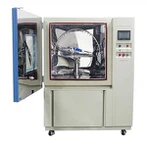
UV chambers, also known as ultraviolet test chambers or UV aging chambers, are specialized environmental testing equipment designed to simulate the effects of ultraviolet radiation on various materials and products. These chambers play a crucial role in evaluating the durability, performance, and longevity of materials exposed to UV light, helping manufacturers ensure their products can withstand real-world conditions.
Understanding UV Chambers
The Science Behind UV Chambers
UV chambers operate on the principle of emitting controlled amounts of ultraviolet radiation to accelerate the aging process of materials. This radiation mimics the natural UV exposure from sunlight, allowing researchers and manufacturers to observe and analyze the effects of prolonged UV exposure in a condensed timeframe.
Components of a UV Chamber
A typical UV chamber consists of several key components, including UV lamps, temperature and humidity controls, specimen mounting racks, and monitoring systems. The UV lamps are the heart of the chamber, producing the necessary ultraviolet radiation. Advanced chambers may also incorporate features like programmable cycles, automatic shut-off mechanisms, and data logging capabilities.
Types of UV Chambers
There are various types of UV chambers available, each designed for specific testing requirements. Some common types include QUV accelerated weathering testers, xenon arc chambers, and fluorescent UV chambers. The choice of chamber depends on factors such as the type of material being tested, the specific UV wavelengths required, and the desired testing conditions.
Our production and equipment

15
years
We have been working in the industry since 2009
32
certificates
We have obtained most of the professional certificates in the industry and insist on international standards of production.
18
awards
We have won a lot of awards for strong creativity
Applications of UV Chambers
Industries Utilizing UV Chambers
UV chambers find applications across a wide range of industries. In the automotive sector, they're used to test the durability of paints, coatings, and interior materials. The construction industry relies on UV chambers to evaluate building materials and outdoor furniture. Textile manufacturers use these chambers to assess the colorfastness and durability of fabrics. Even the electronics industry benefits from UV testing to ensure the longevity of plastic components and coatings.
Materials Tested in UV Chambers
The versatility of UV chambers allows for testing various materials, including plastics, polymers, textiles, paints, coatings, and adhesives. By subjecting these materials to accelerated UV exposure, manufacturers can identify potential weaknesses, such as color fading, material degradation, or loss of mechanical properties, and make necessary improvements to enhance product quality and durability.
Benefits of UV Chamber Testing
UV chamber testing offers numerous advantages to manufacturers and researchers. It significantly reduces product development time by providing rapid results on material performance. This accelerated testing helps in identifying potential issues early in the development process, saving time and resources. Moreover, UV chamber testing enhances product reliability, ensuring that materials can withstand long-term exposure to sunlight and UV radiation in real-world conditions.
Choosing the Right UV Chamber
Factors to Consider
When selecting a UV chamber, several critical factors must be considered to ensure it aligns with your testing objectives. Firstly, the size of the chamber is paramount; it should be spacious enough to accommodate the specimens you intend to test without compromising the uniformity of UV exposure.
Another key consideration is the type of UV lamps used in the chamber. Different lamps emit varying spectral outputs, so it's essential to choose one that matches your specific testing requirements, whether you're simulating sunlight, assessing material degradation, or conducting other UV exposure tests.
Additionally, advanced features like temperature and humidity control are crucial for tests that require environmental consistency, as fluctuations in these parameters can significantly impact results. Programmability is another vital aspect, enabling precise control over test cycles, while data logging capabilities allow for comprehensive analysis and documentation of test results.
Maintenance and Calibration
Ensuring the longevity and reliability of your UV chamber hinges on regular maintenance and calibration. Routine cleaning of the chamber's interior is essential to prevent dust and debris from interfering with UV exposure. Lamp replacement is another critical maintenance task, as UV lamps degrade over time, leading to diminished output that can skew test results.
Calibration of temperature and humidity sensors is also necessary to maintain accurate environmental control within the chamber. Adhering to the manufacturer's maintenance guidelines and scheduling regular professional servicing will not only extend the lifespan of your UV chamber but also ensure consistent, reliable performance.
Advancements in UV Chamber Technology
The technology behind UV chambers has seen significant advancements, making testing more efficient and precise. Modern UV chambers are now equipped with smart controls that allow for automated adjustments and remote monitoring, providing greater flexibility and ease of use. This is particularly beneficial for complex testing protocols that require real-time adjustments and data collection.
Additionally, the integration of UV chambers with data analysis software has streamlined the process of interpreting test results, enabling faster and more accurate assessments. One of the most notable advancements is the adoption of LED technology in some UV chambers. LEDs offer more precise control over UV wavelengths and intensity, allowing for more accurate simulation of specific environmental conditions.
Conclusion
In conclusion, UV chambers are indispensable tools in the realm of material testing and quality assurance. By simulating long-term UV exposure in a controlled environment, these chambers enable manufacturers to develop more durable, high-quality products that can withstand the test of time and environmental conditions. As technology continues to advance, UV chambers will undoubtedly play an even more crucial role in ensuring the reliability and longevity of materials across various industries.
Are you looking for a reliable UV Chamber for your testing needs? Contact LIB Industry at info@libtestchamber.com for expert guidance on selecting the perfect UV Chamber for your specific requirements. Our team of specialists is ready to provide you with a comprehensive solution tailored to your industry and testing objectives.
References
1. Grossman, G. (2018). Handbook of Environmental Degradation of Materials. Elsevier Science.
2. Wypych, G. (2020). Handbook of Material Weathering. ChemTec Publishing.
3. Nichols, M. E., & Darr, C. A. (2019). UV Degradation and Stabilization of Polymers and Coatings. Springer International Publishing.
4. Andrady, A. L. (2017). Weathering of Plastics: Testing to Mirror Real Life Performance. William Andrew.
5. Kockott, D. (2018). Natural and Artificial Weathering of Polymers. Polymer Degradation and Stability, 145, 144-156.
6. Pickett, J. E. (2021). Service Life Prediction of Polymers and Plastics Exposed to Outdoor Weathering. William Andrew.