
In today's industrial world, cables are essential components in a wide range of applications, including automotive, electronics, telecommunications, and more. These cables must endure long-term exposure to various environmental conditions to ensure their durability and reliability. One of the most aggressive elements that can degrade the performance of cables is ozone, which can cause rubber and elastomeric materials to crack, harden, or fail over time. To simulate this process, the ozone test chamber for cable aging plays a crucial role in helping manufacturers predict how their products will hold up in real-world conditions before they hit the market.
LIB's Ozone Test Chamber for Cable Aging is specifically designed to simulate the damaging effects of ozone exposure on cables, providing manufacturers with valuable insights into how their products will age over time. By subjecting cables to controlled ozone concentrations, temperature, and humidity, the chamber accelerates the aging process, helping manufacturers identify weaknesses in their products early on. This is essential for ensuring that cables meet industry standards and can withstand the harsh environments they are likely to encounter.
Why Is Ozone Test Chamber Testing Necessary for Cable Aging?
Ozone exposure plays a significant role in determining the long-term durability of cables, particularly those made from rubber and elastomeric materials. Ozone, being a highly reactive gas, can cause oxidative degradation, which accelerates the breakdown of the material. According to studies, ozone can lead to a 30-50% reduction in the tensile strength of rubber over time, making it more prone to cracking, brittleness, and overall weakening. As a result, the structural integrity of the cable is compromised, leading to potential failure.
For cables used in critical applications like automotive, telecommunications, and electrical systems, the effects of ozone degradation can have severe consequences. In automotive systems, for instance, cables that experience ozone-induced degradation could lead to electrical failures, which may result in accidents or malfunctions. The risk is particularly high for cables exposed to high-temperature environments, where ozone damage can accelerate. Cables that lose their flexibility or crack over time are more likely to fail under mechanical stress, leading to system breakdowns or safety hazards. In fact, ozone-induced damage is one of the primary causes of cable failure in outdoor and harsh environment applications.
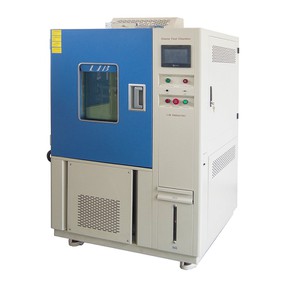
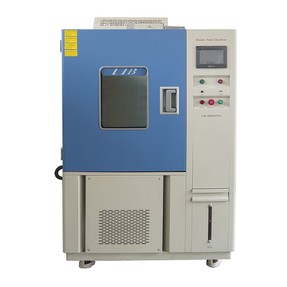
Ozone environmental testing allows manufacturers to simulate the effects of prolonged ozone exposure on cables in a controlled environment. By increasing ozone concentrations to levels as high as 1000 PPHM (parts per hundred million), the testing process accelerates the aging process, allowing manufacturers to observe how their products will respond to long-term ozone stress. This method is widely used to predict the service life of cables, with tests typically exposing cables to ozone for up to 1000 hours to simulate years of environmental exposure. The testing provides invaluable data on material weaknesses, performance degradation, and the overall lifespan of the cables.
By conducting ozone tests, manufacturers can make necessary design improvements, select more durable materials, and ensure that their products meet industry standards, such as ISO 1431 and ASTM D1149, for ozone resistance. In fact, products that pass rigorous ozone testing are generally expected to withstand up to 20-30 years of exposure in real-world applications. Ultimately, this testing ensures the creation of cables that are more reliable, long-lasting, and capable of withstanding the harsh conditions they will face throughout their service life.
Key Features of Ozone Test Chamber for Cable Aging
The LIB Ozone Test Chamber for Cable Aging is equipped with several advanced features that ensure precise and effective testing for a variety of cable types:
|
|
Model |
OC-250 |
OC-500 |
|
Internal Dimension (mm) |
600*600*700 |
700*800*900 |
|
|
Overall Dimension (mm) |
960*1150*1860 |
1180*1350*2010 |
|
|
Interior Volume (L) |
250 |
500 |
|
|
Temperature Range |
0℃ ~ +100 ℃ |
||
|
Temperature Fluctuation |
± 0.5 ℃ |
||
|
Temperature Deviation |
± 2.0 ℃ |
||
|
Humidity Range |
30% ~ 98% RH |
||
|
Humidity Deviation |
± 2.5% RH |
||
|
Cooling Rate |
Ambient ~ 0℃ within 20 min |
||
|
Ozone Concentration |
1~1000PPHM |
||
|
Sample Holder Rotate Speed |
0~10 r/min |
||
|
Airflow Rate |
0 ~ 60L/min |
||
|
Clamps Tensile Stretch |
5%~35% |
||
|
Controller |
Programmable color LCD touchscreen controller, Ethernet connection, PC Link |
||
|
Standard |
ISO1431;ASTM 1149;IEC 60903 |
||

Realistic Ozone Aging Simulation
The chamber is capable of generating ozone concentrations ranging from 1 to 1000 PPHM, adjustable to meet both IEC 60068-2-42 and Volkswagen PV3305 standards. For instance, rubber cable jackets can be tested at 2 ppm ozone (±15%), 40°C (±3°C), and 55% RH (±5%) for 48 hours, simulating accelerated aging conditions as per PV3305.
Ozone Gas Sensor
The high-precision gas sensor continuously monitors ozone concentration, offering extremely fast response times and exceptionally high accuracy. It detects ozone levels within a wide range of 1–1000 PPHM, making it suitable for compliance with global international standards.
Dynamic and Static Stress Simulation
Samples can be mounted on static clamps or placed on a rotating sample holder with speeds ranging from 0 to 10 r/min, with elongation between 5% and 35%. This setup replicates the bending, twisting, or stretching that cables experience in real-world usage, ensuring that the test results accurately predict their service performance.
|
|
 |
| Workroom | |

Gas Exhaust Device
The system includes a highly effective activated carbon ozone filter to neutralize residual ozone before discharge, minimizing environmental impact. The exhaust system is intelligently controlled based on ozone concentration levels, optimizing energy efficiency and maintaining environmental safety.
Integrated Environmental Control
Temperature is controlled from 0 to 100°C, and humidity from 30% to 98% RH, using a PID color touchscreen controller. Embedded sensors continuously monitor ozone, temperature, and humidity, ensuring precise control, repeatability, and compliance with rigorous standards.

Safety and Environmental Responsibility
A silent-discharge ozone generator and activated carbon filtration system neutralize residual ozone before venting, safeguarding both the operators and the environment. This system meets ISO 14001 environmental protection standards.
In summary, LIB's ozone chambers provide engineers with precise, repeatable, and globally recognized test results that expedite product development and reinforce quality assurance efforts.
》》》For more technical information and details about our UV Weathering Test Machine, please feel free to email us at info@libtestchamber.com.
Customization Services for Ozone Test Chamber for Cable Aging
Customization is a key aspect of the LIB Ozone Test Chamber for Cable Aging. Manufacturers often require specific configurations based on the size, shape, and material of the cables being tested. LIB offers tailored services that include custom sample fixtures and adjustable test parameters. Whether it's creating a fixture for a specific cable diameter or adding dynamic tension capabilities, LIB's team works closely with clients to design the perfect test setup.
Custom sample fixtures ensure that each cable is held securely and exposed to ozone evenly. Additionally, LIB provides options for rotating or hanging sample racks, adjusting them to meet particular testing requirements. With the ability to stretch samples from 5% to 50%, the test chamber can simulate real mechanical stress, helping to accelerate aging and identify weaknesses before full-scale production.
Core Spindle on Static Holder
Designed for testing cable durability when wrapped around a spindle positioned above a static clamp. This configuration makes winding easier and ensures even ozone exposure.
 |
 |
Dual-Layer Sample Rack
The lower layer rotates, while the upper layer holds a core spindle. This hybrid design allows simultaneous testing of both fixed and wound cable samples, maximizing the utilization of the chamber.
 |
 |
Core Spindle on Combined Dynamic/Static Holder
For scenarios requiring cables to be both wound and simultaneously stretched or rotated, this configuration enables highly realistic stress profiles.
 |
 |
Each configuration supports strict elongation levels such as 5% ± 1%, 10% ± 1%, 20% ± 2%, 40% ± 2%, up to 80% ± 2%, fully in compliance with IEC 60068-2-42 and PV3305, ensuring that test results are accepted globally.
》》》To receive customized solutions and pricing for the UV Weathering Test Machine, please contact us at info@libtestchamber.com.
FAQs on Ozone Test Chamber for Cable Aging
1. What material is used for the door seal of the Ozone Test Chamber?
The door seal is typically made from hard silicone rubber. This material offers excellent resistance to ozone degradation and aging, ensuring a long service life of approximately 5 years under normal testing conditions.
2. Is the sealing material of the Ozone Test Chamber the same as that used in SO₂ Noxious Gas Corrosion Test Chambers?
Yes, both use hard silicone rubber as the sealing material. However, SO₂ testing requires stricter sealing performance due to the hazardous nature of sulfur dioxide. Therefore, higher pressure tests (0.2 MPa) are conducted to ensure the seals are reliable.
3. What is the maximum stretching capacity of the sample rack in the Ozone Test Chamber?
The sample rack allows stretching in the range of 5% to 50%, adjustable depending on the specific test requirements. The chamber offers both static and dynamic testing capabilities to simulate different mechanical stress scenarios.
4. How is ozone removed from the chamber after testing?
Ozone is removed using an activated carbon filtration system, which adsorbs and decomposes the residual ozone before it is discharged into the atmosphere. The filtration system is designed to ensure compliance with safety regulations, and the activated carbon should be replaced annually to maintain optimal efficiency.
5. Can ozone concentration be displayed in units of PPHM or PPB?
Yes, the ozone concentration is typically displayed in PPHM or PPM units. However, for specific client needs, the system can be switched to PPB. The conversion between these units is straightforward: 1 PPM = 100 PPHM = 1000 PPB.
LIB's Ozone Test Chamber for Cable Aging offers advanced features and customizable services to ensure reliable and accurate testing of cables in ozone-rich environments. By simulating real-world aging conditions, this equipment helps manufacturers improve the durability and longevity of their products, ensuring they meet industry standards and perform well under extreme conditions.
Any customization can be made. LIB offers a 3-year warranty and lifetime service. Any issues that cannot be resolved during the warranty period will be replaced free of charge. 24/7 English-speaking after-sales team. Fast shipping within 7-15 days.
LIB offers reliable, efficient, and customizable ozone testing solutions tailored to meet your specific requirements. Whether you're testing automotive seals, electrical cables, or other rubber components, LIB provides the tools and expertise needed to ensure your products are up to the challenge. Contact LIB Industrytoday for a personalized consultation or to learn more about our advanced testing solutions!


