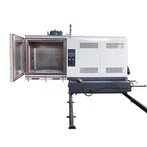
Temperature test chambers are crucial tools in various industries, providing controlled environments for testing the effects of temperature on products and materials. By simulating different climatic conditions, these chambers help ensure the reliability, durability, and safety of products before they reach the market. In this article, we'll explore the functions of temperature test chambers, the processes involved in their operation, and the standards that govern their use.
Understanding Temperature Test Chambers
A temperature test chamber, also known as a climatic chamber, is a controlled environment used to test the effects of temperature variations on various products and materials. These chambers can simulate a wide range of temperatures, from extreme cold to intense heat, making them invaluable in industries such as electronics, automotive, aerospace, and pharmaceuticals.
Key Functions
- Environmental Simulation: Temperature test chambers replicate real-world conditions to assess how products perform under different temperatures. This is crucial for identifying potential weaknesses and ensuring product reliability.
- Accelerated Aging: By exposing products to extreme temperatures, these chambers can simulate the effects of long-term exposure in a shorter time. This helps manufacturers predict the lifespan and durability of their products.
- Quality Control: Temperature test chambers are used in quality control processes to ensure that products meet specified standards and can withstand environmental stressors without compromising performance or safety.
- Compliance Testing: Many industries have strict regulatory requirements regarding product performance in varying temperatures. Temperature test chambers help companies comply with these standards by providing reliable testing environments.
Types of Tests Conducted
- Thermal Cycling: This test involves repeatedly heating and cooling a product to evaluate its resistance to thermal stress. It is commonly used in electronics and automotive industries.
- Thermal Shock: Products are rapidly moved between extreme temperatures to test their ability to withstand sudden temperature changes. This is critical for materials that will experience rapid temperature fluctuations in their operational environment.
- Steady-State Testing: The product is subjected to a constant temperature for an extended period to assess its stability and performance under prolonged exposure.
What is the Testing Process of Temperature Test Chamber?
Preparing for Testing
Before testing begins, the product or material to be tested is thoroughly inspected and documented. This includes recording its dimensions, weight, and any pre-existing conditions that might affect the test results.
Setting Parameters
The next step involves setting the parameters for the test. This includes defining the temperature range, the duration of the test, and any specific conditions that need to be met. The temperature test chamber's controls allow for precise adjustments to ensure accurate simulation of real-world conditions.
Conducting the Test
Once the parameters are set, the product is placed inside the chamber, and the test begins. The chamber's sensors and control systems constantly monitor the conditions, adjusting as needed to maintain the desired environment.
Data Collection and Analysis
During the test, data is continuously collected on the product's performance. This data is analyzed to identify any changes in the product's properties or performance. Common metrics include changes in size, shape, color, and functionality.
Post-Test Inspection
After the test is complete, the product is inspected again to identify any changes or damage. The results are compared to pre-test conditions to determine the effects of the temperature exposure.
What Are the Standards and Compliance of Temperature Test Chamber?
International Standards
Temperature test chambers and the tests conducted within them must adhere to international standards to ensure consistency and reliability. Some of the key standards include:
- IEC 60068-2-1 and 60068-2-2: These standards are part of the International Electrotechnical Commission's (IEC) series that focus on environmental testing. IEC 60068-2-1 outlines the procedures for cold testing, while IEC 60068-2-2 specifies the requirements for dry heat testing. Together, these standards ensure that products can withstand extreme temperature conditions, providing a benchmark for manufacturers to validate their products' performance under cold and hot environments.
- MIL-STD-810: Developed by the U.S. Department of Defense, MIL-STD-810 provides guidelines for environmental engineering and laboratory tests designed to simulate the conditions that military equipment might face. This standard includes temperature and humidity tests, among others, to ensure that equipment performs reliably in diverse and extreme environments. Compliance with MIL-STD-810 is crucial for military and defense applications, where equipment must endure rigorous conditions.
- ASTM D5032: This standard, set by ASTM International, provides detailed procedures for using climatic chambers to test the effects of various environmental conditions on materials and products. ASTM D5032 covers temperature and humidity tests, ensuring that products can maintain their integrity and functionality when exposed to specific climatic conditions.
Industry-Specific Standards
In addition to international standards, many industries have specific requirements for temperature testing. For example, the automotive industry follows ISO 16750-4, it outlines the environmental conditions and testing procedures for electrical and electronic equipment used in road vehicles. ISO 16750-4 ensures that automotive components can withstand temperature fluctuations, vibrations, and other environmental factors typical of vehicle operation.
Compliance and Certification
To ensure compliance with these standards, temperature test chambers must be regularly calibrated and maintained. Certification bodies, such as ISO and ASTM, provide accreditation to facilities that meet their stringent requirements, ensuring the reliability and accuracy of test results.
Conclusion
Temperature test chambers play a vital role in product development and quality assurance across various industries. By simulating different climatic conditions, these chambers help manufacturers ensure that their products can withstand environmental stressors and meet regulatory requirements. Understanding the functions, processes, and standards associated with temperature test chambers is essential for anyone involved in product testing and development.
If you want to learn more about this kind of Environmental Temperature Test Chamber, welcome to contact us info@libtestchamber.com.
References
1. International Electrotechnical Commission. (2017). IEC 60068-2-1: Environmental Testing - Part 2-1: Tests - Test A: Cold.
2. International Electrotechnical Commission. (2017). IEC 60068-2-2: Environmental Testing - Part 2-2: Tests - Test B: Dry Heat.
3. U.S. Department of Defense. (2019). MIL-STD-810H: Environmental Engineering Considerations and Laboratory Tests.
4. ASTM International. (2018). ASTM D5032-18: Standard Practice for Maintaining, Monitoring, and Evaluating Temperature Calibration of Climatic Chambers.
5. International Organization for Standardization. (2018). ISO 16750-4: Road Vehicles - Environmental Conditions and Testing for Electrical and Electronic Equipment - Part 4: Climatic Loads.
6. Liem, A., & Teunissen, J. (2019). Reliability and Validity of Temperature Test Chambers: Ensuring Accurate Environmental Simulation. Journal of Environmental Testing, 42(3), 120-135.