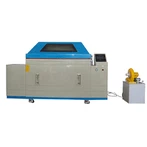
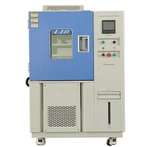
Stress testing is a critical component of stability studies, playing an essential role in ensuring the reliability and longevity of products across various industries. This blog explores the purpose of stress testing, focusing on the use of stress test chambers, their execution standards, and processes. Whether you are in pharmaceuticals, electronics, or any other field, understanding stress testing can help enhance product quality and safety.
What is Stress Testing?
Stress testing involves subjecting a product to extreme conditions to evaluate its durability and performance under stress. This process helps identify potential weaknesses and predict how the product will behave in real-world scenarios. Here are some key reasons why stress testing is important:
Identifying Weak Points
By pushing products to their limits, stress testing can reveal vulnerabilities that might not be evident under normal conditions.
Ensuring Reliability
Products that pass stress tests are more likely to perform reliably over their intended lifespan, providing confidence to manufacturers and consumers alike.
Regulatory Compliance
Many industries have stringent regulatory requirements for product stability, making stress testing a mandatory part of the development process.
Cost Efficiency
Detecting and addressing issues early through stress testing can save companies from costly recalls and repairs down the line.
In industries like pharmaceuticals, stress testing is crucial for determining the shelf life of drugs and ensuring they remain effective and safe under various conditions. For electronics, it helps in assessing how devices withstand environmental stressors like heat, cold, and humidity. Overall, stress testing is a proactive measure to ensure that products meet quality standards and perform as expected.
How is Stress Testing Conducted in a Stress Test Chamber?
Stress testing is a vital procedure used to evaluate how products perform under extreme conditions that they might encounter during their lifecycle. Stress test chambers are sophisticated devices designed to simulate various stressors such as temperature, humidity, vibration, and other environmental factors. Here is a detailed breakdown of how stress testing is conducted in a stress test chamber:
Product Placement and Setup
- Selection of Test Sample: The first step in stress testing involves selecting a representative sample of the product or component that will be subjected to the test. This ensures that the results are applicable to the entire production batch or the product line.
- Sample Installation: The test sample is carefully placed inside the stress test chamber. Depending on the type of test, the sample may need to be mounted on specific fixtures or holders that allow for accurate measurement and monitoring.
- Preconditioning: Before starting the test, the product may undergo preconditioning to stabilize its temperature or other properties. This helps eliminate any residual effects from previous environments or handling that could influence the test results.
Programming the Stress Conditions
- Temperature and Humidity: The chamber is programmed to simulate the desired temperature and humidity ranges. For instance, you might set the chamber to cycle through high and low temperatures, or to maintain a constant temperature with specific humidity levels.
- Vibration and Shock: For tests involving mechanical stress, parameters such as vibration frequencies, amplitudes, and shock levels are set. This is essential for assessing how the product withstands mechanical impacts or continuous vibrations.
- Other Stressors: Depending on the test requirements, other stressors such as altitude, corrosive environments, or UV exposure may be programmed into the chamber. These parameters are carefully set to match the conditions the product might face in real-world applications.
Conducting the Stress Test
- Exposure to Conditions: The test sample is exposed to the programmed conditions for a specified duration. The chamber controls and maintains the environmental parameters throughout the test, ensuring that the conditions remain consistent.
- Monitoring and Data Collection: Continuous monitoring is conducted to observe how the product responds to the stress conditions. Sensors and data acquisition systems track changes in the product's performance, such as temperature fluctuations, mechanical failures, or other critical parameters.
- Real-time Adjustments: If the test requires, real-time adjustments can be made to the stress test chamber's settings to fine-tune the conditions or to address any anomalies observed during the test.
Evaluating Test Results
- Data Compilation: After the test, data collected from the monitoring systems is compiled and organized. This includes information on how the product performed under various stress conditions and any deviations from expected performance.
- Analysis of Performance: The data is analyzed to determine how well the product withstood the stressors. Key aspects evaluated include structural integrity, functionality, and any signs of degradation or failure.
- Identification of Weaknesses: Any points of failure or areas of concern are identified. This helps in understanding the product's limitations and areas that may need improvement or redesign.
Creating a Comprehensive Report
- Documentation of Conditions: A detailed report is generated that documents all test conditions, including temperature ranges, humidity levels, vibration frequencies, and duration of exposure. This provides a clear record of the testing environment.
- Observations and Findings: The report includes observations on how the product responded to the stress conditions, highlighting any failures, performance issues, or unexpected behaviors.
- Recommendations: Based on the findings, recommendations are made for product improvements, design modifications, or additional testing. This information is crucial for manufacturers to make informed decisions about product development and quality assurance.
What Are the Standards and Best Practices for Stress Testing?
Adhering to industry standards and best practices is essential for conducting effective stress tests. Various organizations have established guidelines to ensure consistency and reliability in stress testing procedures. Here are some key standards and best practices:
Industry-Specific Guidelines
Different industries have their own sets of standards. For example, the pharmaceutical industry follows guidelines from the International Council for Harmonisation (ICH), while electronics might adhere to standards from organizations like the Institute of Electrical and Electronics Engineers (IEEE).
Calibration and Maintenance
Regular calibration and maintenance of stress test chambers are crucial to ensure accurate and reliable test results. This includes checking sensors, controls, and other components.
Controlled Environment
Maintaining a controlled environment within the stress test chamber is essential. Any deviations in temperature, humidity, or other parameters can affect the test outcomes.
Documentation and Traceability
Keeping detailed records of all testing procedures, conditions, and results is vital for traceability and regulatory compliance. This documentation helps in verifying the authenticity and reliability of the tests conducted.
Training and Expertise
Ensuring that personnel conducting the tests are well-trained and knowledgeable about the equipment and procedures is important for achieving accurate results. Continuous training and skill development are recommended.
Continuous Improvement
Stress testing processes should be regularly reviewed and updated based on the latest industry developments and technological advancements. This ensures that testing methods remain relevant and effective.
By following these standards and best practices, companies can ensure that their stress testing procedures are robust and reliable, leading to better product quality and safety.
Conclusion
Stress testing in stability studies is a crucial process for ensuring the durability, reliability, and safety of products across various industries. By using stress test chambers, manufacturers can simulate extreme conditions and identify potential weaknesses in their products. Adhering to industry standards and best practices further enhances the accuracy and reliability of stress testing, ultimately contributing to improved product quality and customer satisfaction.
If you want to learn more about Temperature Stress Testing Machines and how they can benefit your stability studies, welcome to contact us at info@libtestchamber.com.
References
1. ICH Q1A(R2) Stability Testing of New Drug Substances and Products. International Council for Harmonisation of Technical Requirements for Pharmaceuticals for Human Use (ICH)
2. ASTM E2877-13 Standard Guide for Evaluating the Performance of Temperature Sensors. ASTM International
3. IEEE 1625-2012: IEEE Standard for Rechargeable Batteries for Mobile Telephones. IEEE
4. MIL-STD-810G: Environmental Engineering Considerations and Laboratory Tests. United States Department of Defense
5. NIST Handbook 150: NVLAP Procedures and General Requirements. National Institute of Standards and Technology (NIST)
6. ISO/IEC 17025:2017: General requirements for the competence of testing and calibration laboratories. International Organization for Standardization (ISO)
7. ISO 22301:2019 Societal security - Business continuity management systems - Requirements. International Organization for Standardization (ISO)
8. SAE J1211: Environmental Testing of Electronic Components. SAE International