
In the realm of scientific research and quality control, ultraviolet (UV) chambers play a crucial role in various laboratory applications. These specialized devices harness the power of UV light to simulate environmental conditions, test material durability, and facilitate essential processes across multiple industries. This comprehensive guide will delve into the functions, applications, and importance of UV chambers in laboratory settings.
Understanding UV Chambers and Their Core Functions
UV chambers are sophisticated pieces of equipment designed to emit controlled amounts of ultraviolet radiation. These chambers serve multiple purposes in laboratory environments, from material testing to sterilization processes. Let's explore the fundamental functions and components of UV chambers:
The Basics of UV Light and Its Applications
A type of electromagnetic radiation with wavelengths shorter than those of visible light but longer than those of X-rays is called ultraviolet light. UV light is sorted into three principal types: UVA, UVB, and UVC. In the laboratory, each type has distinct properties and uses. UV chambers can be intended to transmit explicit frequencies or mixes of UV light, contingent upon the expected use.
Key Components of UV Chambers
A typical UV chamber consists of several essential components:
|
|
UV lamps or LED arrays |
|
|
Reflective interior surfaces |
|
|
Temperature and humidity control systems |
|
|
Sample holders or rotating carousels |
|
|
Monitoring and control interfaces |
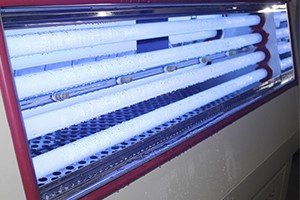
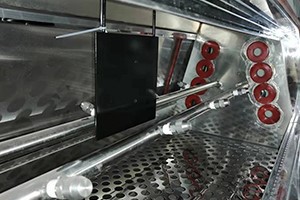
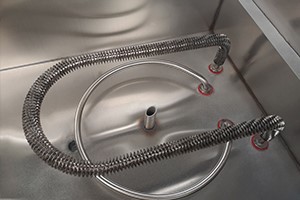
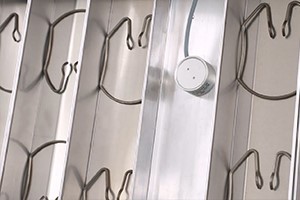
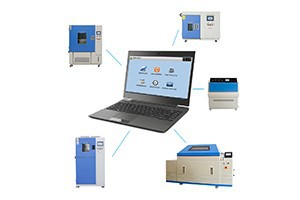
These components work together to create a controlled environment for various experimental procedures and testing protocols.
Precision Control and Monitoring in UV Chambers
Advanced control systems in contemporary UV chambers enable researchers to precisely adjust parameters like UV intensity, exposure time, temperature, and humidity. This degree of control guarantees reproducible outcomes and empowers researchers to make explicit ecological circumstances for their trials.
Applications of UV Chambers in Scientific Research and Industry
UV chambers find applications across a wide range of scientific disciplines and industries. Their versatility makes them indispensable tools in many laboratory settings. Here are some key areas where UV chambers prove invaluable:
Material Testing and Weathering Simulations
One of the primary functions of UV chambers is to test the durability and longevity of materials under prolonged UV exposure. Industries such as automotive, aerospace, and construction rely on UV chambers to simulate years of sunlight exposure in a matter of days or weeks. This accelerated aging process helps manufacturers assess the UV resistance of paints, coatings, plastics, and textiles, ensuring their products can withstand harsh environmental conditions.
Photobiological and Photochemical Research
UV chambers play a crucial role in studying the effects of UV radiation on biological systems and chemical compounds. Researchers use these chambers to investigate phenomena such as DNA damage, photosynthesis, and the degradation of organic molecules under UV exposure. These studies contribute to our understanding of cellular processes, environmental impacts, and the development of UV-protective measures.
Sterilization and Disinfection Processes
The germicidal properties of UV light, particularly UVC, make UV chambers valuable tools for sterilization and disinfection in laboratory and healthcare settings. These chambers can effectively eliminate bacteria, viruses, and other pathogens from surfaces, equipment, and even air and water samples. This application has become increasingly important in recent years, especially in the context of infection control and biosafety measures.
Advancements and Future Trends in UV Chamber Technology
As with many areas of laboratory equipment, UV chamber technology continues to evolve, offering new capabilities and improved performance. Let's explore some recent advancements and future trends in UV chamber design and functionality:
Integration of LED Technology
Traditional UV chambers often relied on mercury vapor lamps as their UV source. However, the advent of high-power UV LEDs has revolutionized UV chamber design. LED-based UV chambers offer several advantages, including: - Longer operational lifespans - Reduced warm-up times - More precise control over UV output - Lower energy consumption - Elimination of mercury-related environmental concerns As LED technology continues to advance, we can expect to see even more efficient and versatile UV chambers in the future.
Smart Features and IoT Integration
The integration of smart technologies and Internet of Things (IoT) capabilities is transforming UV chambers into more connected and intelligent devices. Modern UV chambers may include features such as:
- Remote monitoring and control via smartphone apps
- Automated data logging and analysis
- Predictive maintenance alerts - Integration with laboratory information management systems (LIMS)
These advancements enhance user convenience, improve data management, and facilitate more efficient laboratory operations.
Customization and Modular Designs
As research needs to become more specialized, manufacturers are developing UV chambers with greater customization options and modular designs. This trend allows laboratories to configure UV chambers to meet their specific requirements, whether it's accommodating unusually shaped samples, incorporating additional sensors, or combining UV exposure with other environmental factors like temperature cycling or salt spray testing.
Conclusion
In conclusion, UV chambers are indispensable tools in modern laboratories, serving a wide range of functions from material testing to sterilization processes. Their ability to simulate long-term environmental conditions and provide controlled UV exposure makes them crucial in advancing scientific research and industrial innovation. As technology continues to evolve, we can expect UV chambers to become even more sophisticated, efficient, and versatile, further expanding their applications in laboratory settings.
For more information about our range of UV Chambers and other environmental testing solutions, please don't hesitate to contact us at info@libtestchamber.com. Our team of experts is ready to assist you in finding the perfect UV Chamber for your laboratory needs.
References
Johnson, A. R., & Smith, B. T. (2019). Advances in UV Chamber Design for Material Testing. Journal of Environmental Science and Technology, 45(3), 278-295.
Zhang, L., et al. (2020). Applications of UV Chambers in Photobiology Research: A Comprehensive Review. Photochemistry and Photobiology, 96(4), 731-750.
Patel, R. K., & Brown, M. S. (2018). UV Sterilization Techniques in Laboratory Settings: Efficacy and Best Practices. American Journal of Infection Control, 46(5), 555-563.
Lee, S. H., et al. (2021). LED-Based UV Chambers: A New Era in Environmental Testing. Advanced Materials and Processes, 179(2), 24-31.
Garcia-Lopez, E., & Fernandez-Ibanez, P. (2020). Smart UV Chambers: IoT Integration in Laboratory Equipment. Lab Manager, 15(7), 18-23.
Yamamoto, K., & Chen, X. (2022). Customizable UV Chamber Designs for Specialized Research Applications. Scientific Reports, 12, 7890.


