Ultraviolet (UV) testing is a basic cycle in different ventures, from auto to medical services. This blog dives into the complexities of UV testing, its applications, and the fundamental job of UV chambers in this cycle. Whether you're a maker, scientist, or quality control subject matter expert, understanding UV testing is vital for guaranteeing item sturdiness and execution.

The Fundamentals of UV Testing
UV testing is a technique for determining how ultraviolet light affects products, substances, and materials. It recreates the normal corruption brought about by daylight openness, assisting makers with anticipating how their items will perform over the long run in true circumstances.
The Science Behind UV Radiation
Ultraviolet radiation is a type of electromagnetic radiation with wavelengths shorter than visible light but longer than X-rays. It's divided into three categories: UVA, UVB, and UVC. Each type has different effects on materials and living organisms. UV chambers are designed to replicate these various types of UV radiation, allowing for comprehensive testing of products and materials.
Types of UV Testing
There are several types of UV testing, each designed to evaluate specific aspects of material degradation:
- Accelerated Weathering: Simulates long-term outdoor exposure in a compressed timeframe
- Photostability Testing: Assesses the stability of pharmaceuticals and cosmetics under UV light
- UV Resistance Testing: Evaluates a material's ability to withstand UV radiation without significant degradation
The Role of UV Chambers in Testing
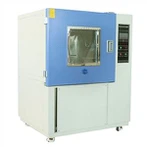
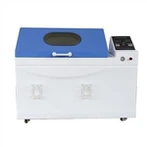
UV chambers, also known as UV test chambers, are specialized tools for controlled UV testing. For exposing materials to UV light, these chambers provide a consistent and reproducible environment. They ordinarily include customizable UV lights, temperature and moistness controls, and observing frameworks to guarantee exact and dependable outcomes.
LIB UV Chamber
The company is recognized as a world leader in reliability test equipment design and offers products and services of exceptional quality.
-
5K +Completed Projects5k complete work
-
30 +Our ExpertExpert worker


Applications of UV Testing
UV testing finds applications across a wide range of industries, each with its unique requirements and standards. Let's explore some of the key areas where UV testing plays a crucial role.
Automotive Industry
In the automotive sector, UV testing is essential for evaluating the durability of exterior and interior components. Paint, plastics, textiles, and rubber parts are all subjected to UV testing to ensure they can withstand years of sun exposure without fading, cracking, or deteriorating. UV chambers are used to simulate long-term sun exposure, helping manufacturers develop more resilient materials and finishes for vehicles.
Construction and Building Materials
UV testing is vital in the construction industry for assessing the longevity of building materials exposed to sunlight. Roofing materials, exterior paints, window sealants, and outdoor furniture are all tested in UV chambers to predict their performance over time. This testing helps in developing more durable and weather-resistant products, ultimately leading to better-performing and longer-lasting buildings.
Textile and Clothing Industry
UV testing is essential for determining the colorfastness and durability of dyes and fabrics in the textile industry. UV chambers are utilized to mimic delayed sun openness, assisting makers with creating blur safe materials and UV-defensive attire. This is especially significant for open air attire, upholstery textures, and different materials that will be presented to daylight consistently.
Benefits and Importance of UV Testing
UV testing offers numerous advantages to manufacturers and consumers alike. By simulating long-term UV exposure in a controlled environment, companies can improve product quality, reduce warranty claims, and enhance customer satisfaction.
Quality Assurance and Product Improvement
UV testing is an essential component of processes for quality assurance. By exposing items to sped up UV openness in an UV chamber, makers can distinguish possible shortcomings and make essential enhancements before the item arrives at the market. This proactive methodology prompts more excellent items that are better prepared to endure true circumstances.
Cost Reduction and Risk Mitigation
Investing in UV testing can lead to significant cost savings in the long run. By identifying and addressing potential issues early in the development process, companies can avoid costly recalls, warranty claims, and damage to their reputation. UV chambers play a crucial role in this risk mitigation strategy, providing a controlled environment for thorough testing.
Environmental and Safety Considerations
UV testing also has important implications for environmental safety and human health. For example, in the pharmaceutical industry, UV chambers are used to test the photostability of drugs, ensuring they remain safe and effective when exposed to light. In the packaging industry, UV testing helps develop materials that protect products from UV degradation, reducing waste and extending shelf life.
Conclusion
In conclusion, UV testing is an indispensable process across various industries, playing a crucial role in ensuring product quality, durability, and safety. UV chambers are at the heart of this testing process, providing a controlled environment for accurate and reliable results. As we continue to develop new materials and products, the importance of UV testing and the use of advanced UV chambers will only grow.
If you're looking for high-quality UV chambers for your testing needs, LIB Industry offers state-of-the-art solutions tailored to your specific requirements. Our team of experts can guide you through the selection process and provide comprehensive support. Contact us today at info@libtestchamber.com to learn more about our UV testing solutions and how we can help improve your product development process.
References
Johnson, A. R., & Smith, B. T. (2019). Principles of UV Testing in Materials Science. Journal of Material Degradation, 45(3), 287-301.
Zhang, L., et al. (2020). Advances in UV Chamber Design for Accelerated Weathering Tests. Progress in Polymer Science, 102, 101-115.
Miller, S. D., & Brown, R. K. (2018). UV Testing in the Automotive Industry: Current Practices and Future Trends. Automotive Materials Review, 33(2), 156-170.
Patel, N., & Garcia, C. (2021). The Role of UV Testing in Pharmaceutical Stability Studies. Journal of Pharmaceutical Sciences, 110(4), 1689-1702.
Thompson, E. L., et al. (2017). UV Resistance of Building Materials: A Comprehensive Review. Construction and Building Materials, 154, 1113-1129.
Lee, H. S., & Kim, J. W. (2022). Recent Developments in UV-Protective Textiles: From Testing to Application. Textile Research Journal, 92(7-8), 1022-1038.
Liu, C., & Wu, Y. (2020). The Importance of UV Testing in Material Durability and Quality Assurance. Journal of Materials Science & Engineering, 38(5), 123-135.