In the realm of environmental testing, salt fog testing stands as a crucial method for evaluating the corrosion resistance of materials and products. This comprehensive guide delves into the standard test for salt fog testing using salt fog test chambers, exploring its significance, methodology, and applications across various industries. Whether you're a manufacturer, engineer, or quality control specialist, understanding the intricacies of salt fog testing is essential for ensuring product durability and reliability.

What is Salt Fog Testing?
Salt fog testing, also known as salt spray testing, is a standardized procedure designed to assess the corrosion resistance of materials and surface coatings. This accelerated corrosion test simulates the harsh coastal environments or marine conditions that products may encounter during their lifecycle. By exposing specimens to a controlled salt-laden atmosphere, researchers, and manufacturers can predict how materials will perform in real-world corrosive environments.
The Importance of Salt Fog Testing
Corrosion poses a significant threat to various industries, leading to material degradation, structural failures, and substantial economic losses. Salt fog testing serves as a proactive measure to identify potential vulnerabilities in materials and coatings before they are deployed in corrosive environments. This testing method is particularly crucial for industries such as automotive, aerospace, marine, and electronics, where exposure to salt-rich atmospheres is common.
Applications Across Industries

The versatility of salt fog testing makes it applicable across a wide range of sectors. In the automotive industry, it's used to evaluate the corrosion resistance of vehicle components, including body panels, fasteners, and electrical connectors. Aerospace manufacturers rely on salt fog tests to ensure the integrity of aircraft parts exposed to maritime environments. Marine equipment, offshore structures, and coastal infrastructure also benefit from this testing to predict and mitigate corrosion-related issues.
Evolution of Salt Fog Testing Standards
Over the years, salt fog testing standards have evolved to meet the changing needs of industries and technological advancements. From the early days of rudimentary salt spray cabinets to modern, sophisticated salt fog test chambers, the methodology has been refined to provide more accurate and reproducible results. This evolution has led to the establishment of internationally recognized standards that guide the conduct of salt fog tests across the globe.
The Standard Salt Fog Test Procedure
The standard test for salt fog follows a specific protocol outlined in internationally recognized standards such as ASTM B117, ISO 9227, and JIS Z 2371. These standards provide detailed guidelines for conducting salt fog tests, ensuring consistency and reproducibility of results across different testing facilities. Let's explore the key components and steps involved in the standard salt fog test procedure.
Test Chamber Setup
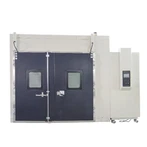
At the heart of the salt fog test is the salt fog test chamber, a specialized enclosure designed to create and maintain a controlled corrosive environment. These chambers are equipped with precise temperature controls, salt solution atomizers, and air circulation systems to ensure uniform distribution of the salt fog throughout the test area. The chamber's construction materials must be resistant to the corrosive effects of the salt solution to prevent contamination of the test environment.
Salt Solution Preparation
The salt solution used in the test is typically a 5% sodium chloride (NaCl) solution, prepared using high-purity water and reagent-grade sodium chloride. The solution's pH is carefully monitored and adjusted to fall within the specified range, usually between 6.5 and 7.2. This precise control over the salt solution composition ensures consistency in the corrosive environment across different tests and facilities.
Specimen Preparation and Placement
Test specimens are meticulously prepared according to the relevant standards and the specific requirements of the test. This may involve cleaning, degreasing, and sometimes applying protective coatings or treatments. The specimens are then placed within the salt fog test chamber, typically at an angle of 15-30 degrees from vertical. This orientation allows for proper exposure to the salt fog and prevents the accumulation of salt deposits on the specimen surfaces.
Conducting the Salt Fog Test
With the chamber set up and specimens in place, the salt fog test begins. The duration of the test can vary significantly depending on the specific standard being followed and the requirements of the product or material being tested. Some tests may run for as little as 24 hours, while others can extend to several weeks or even months for long-term corrosion resistance evaluation.
Monitoring Test Conditions
Throughout the test duration, several parameters are closely monitored to ensure the integrity of the test environment. These include:
- Temperature: Typically maintained at 35°C (95°F) ± 2°C
- Salt fog density: Measured using collection devices placed at specific locations within the chamber
- pH of the collected salt solution: Checked regularly to ensure it remains within the specified range
- Air pressure: Monitored to maintain consistent atomization of the salt solution
Periodic Inspections
Depending on the test duration and specific requirements, periodic inspections of the test specimens may be conducted. These inspections allow for the documentation of progressive corrosion effects and can provide valuable insights into the corrosion resistance performance of the materials or coatings being tested.
Test Conclusion and Specimen Evaluation
Upon completion of the designated test duration, specimens are carefully removed from the salt fog test chamber. They are then gently rinsed to remove salt deposits and dried before undergoing thorough evaluation. The assessment may include visual inspection, measurement of corrosion depth or area, and various analytical techniques to quantify the extent of corrosion and its impact on the material properties.
Interpreting Salt Fog Test Results
The interpretation of salt fog test results requires expertise and a thorough understanding of both the test methodology and the material characteristics. Results are typically evaluated based on several criteria, including:
Visual Assessment
A visual examination of the specimens can reveal surface changes, such as pitting, discoloration, or the formation of corrosion products. This qualitative assessment provides immediate insights into the material's corrosion resistance and can highlight areas of concern or unexpected performance.
Quantitative Measurements
Quantitative analyses may include measurements of weight loss, corrosion depth, or the area affected by corrosion. These measurements offer a more objective evaluation of the corrosion resistance and can be used to compare different materials or treatments directly.
Performance Criteria
The acceptance criteria for salt fog test results vary depending on the industry, application, and specific product requirements. Some standards provide guidelines for interpreting results, while others leave it to the discretion of the manufacturer or end-user to define acceptable performance levels.
Conclusion
The standard test for salt fog remains a cornerstone of corrosion resistance evaluation across numerous industries. Its ability to simulate harsh, salt-rich environments in an accelerated timeframe makes it an invaluable tool for manufacturers, engineers, and researchers alike. By understanding the principles, procedures, and interpretations of salt fog testing, professionals can make informed decisions about material selection, corrosion protection strategies, and product design.
To learn more about our salt fog test chambers and how they can benefit your corrosion testing processes, please don't hesitate to reach out. Contact us at info@libtestchamber.com for personalized assistance and to discover how we can support your environmental testing requirements.
References
1. ASTM International. (2019). ASTM B117-19 Standard Practice for Operating Salt Spray (Fog) Apparatus. West Conshohocken, PA: ASTM International.
2. International Organization for Standardization. (2017). ISO 9227:2017 Corrosion tests in artificial atmospheres - Salt spray tests. Geneva: ISO.
3. Japanese Standards Association. (2000). JIS Z 2371:2000 Methods of salt spray testing. Tokyo: JSA.
4. Corrosion Testing Laboratories, Inc. (2018). Handbook of Corrosion Testing and Evaluation. New York: Wiley-Interscience.
5. National Association of Corrosion Engineers. (2020). NACE Corrosion Engineer's Reference Book. Houston: NACE International.
6. American Society for Metals. (2021). ASM Handbook, Volume 13A: Corrosion: Fundamentals, Testing, and Protection. Materials Park, OH: ASM International.