
When it comes to industrial processes, precision and control are paramount. One of the most versatile pieces of equipment in many industries is the industrial drying oven. These ovens play a crucial role in various applications, from manufacturing to research and development. Understanding the temperature range of a drying oven is essential for anyone involved in these processes. Let's delve into the world of industrial drying ovens and explore their temperature capabilities.
Understanding Industrial Drying Ovens
The Purpose of Industrial Drying Ovens
Industrial drying ovens serve a multitude of purposes across various sectors. These robust machines are designed to remove moisture from materials, cure coatings, and facilitate heat treatments. Their versatility makes them indispensable in industries such as aerospace, automotive, electronics, and pharmaceuticals.
Components of an Industrial Drying Oven
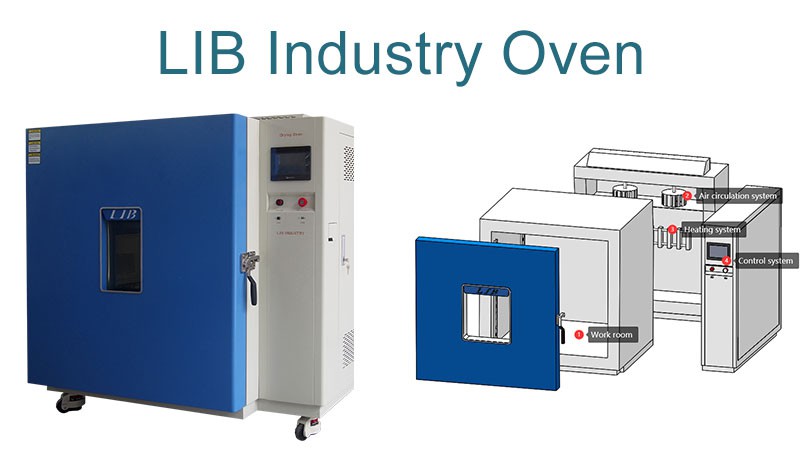
To comprehend the temperature range of a drying oven, it's crucial to understand its key components. These typically include heating elements, fans for air circulation, temperature controllers, and insulation materials. The quality and efficiency of these components significantly influence the oven's performance and temperature range.
Types of Industrial Drying Ovens
There are several types of industrial drying ovens, each designed for specific applications. Some common types include convection ovens, infrared ovens, and vacuum ovens. The type of oven can impact its temperature range and suitability for different materials and processes.
Temperature Range of Industrial Drying Ovens
Standard Temperature Ranges
The temperature range of an industrial drying oven can vary significantly depending on its design and intended use. Generally, standard industrial drying ovens operate within a temperature range of 40 °C to 350 °C (104 °F to 662 °F). This broad range allows for a wide variety of applications, from gentle drying of delicate materials to high-temperature curing of robust coatings.
High-Temperature Drying Ovens
For more demanding applications, high-temperature industrial drying ovens are available. These specialized ovens can reach temperatures up to 650 °C (1202 °F) or even higher. Such extreme temperatures are necessary for certain metallurgical processes, ceramic firing, and advanced material treatments.
Low-Temperature Precision Ovens
On the other end of the spectrum, some industrial processes require precise control at lower temperatures. Low-temperature precision ovens can maintain steady temperatures as low as 5 °C (41 °F) above ambient temperature. These ovens are crucial in industries such as electronics and biotechnology, where even slight temperature variations can have significant impacts.
|
Temperature Range |
A: Ambient ~+250 ℃ B: Ambient ~+400 ℃ C: Ambient ~+900 ℃ |
|
Temperature Fluctuation |
± 0.5 ℃ |
|
Temperature Deviation |
± 2.0 ℃ |
|
Heating Rate |
6 ℃ / min |
|
Temperature Sensor |
PTR Platinum Resistance PT100Ω/MV A-class, accuracy 0.001℃ |
Factors Influencing Temperature Range
Oven Construction and Insulation
The construction of an industrial drying oven plays a vital role in determining its temperature range. High-quality insulation materials, such as ceramic fiber or mineral wool, help maintain consistent temperatures and allow for higher maximum temperatures. The thickness and type of insulation used can significantly impact the oven's energy efficiency and temperature stability.
Heating Element Design
The design and quality of heating elements are crucial factors in an industrial drying oven's temperature range. Advanced heating elements, such as those made from nichrome or kanthal alloys, can withstand higher temperatures and provide more precise control. The arrangement and distribution of these elements within the oven also affect its temperature uniformity and range.
Control Systems and Sensors
Modern industrial drying ovens are equipped with sophisticated control systems and temperature sensors. These components allow for precise temperature control and monitoring, expanding the effective temperature range of the oven. Advanced PID (Proportional-Integral-Derivative) controllers can maintain temperatures within tight tolerances, ensuring consistent results across a wide temperature range.
Applications Across Temperature Ranges
Low-Temperature Applications
At the lower end of the temperature range, industrial drying ovens are used for sensitive materials and processes. This includes drying of electronic components, gentle dehydration of food products, and curing of certain adhesives. These applications typically operate between 40 °C and 100 °C (104 °F to 212 °F).
Mid-Range Temperature Applications
The mid-range temperatures, typically between 100 °C and 250 °C (212 °F to 482 °F), are suitable for a wide variety of industrial processes. This range is commonly used for powder coating curing, plastic forming, and general industrial drying applications. The versatility of this temperature range makes it the most widely used in industrial settings.
High-Temperature Applications
High-temperature applications, utilizing the upper limits of an industrial drying oven's range, are crucial in specialized industries. These temperatures, often exceeding 300 °C (572 °F), are used in processes such as glass annealing, ceramic firing, and certain types of metal heat treatments. The ability to maintain these high temperatures consistently is a hallmark of high-quality industrial drying ovens.
Choosing the Right Temperature Range
Assessing Process Requirements
Selecting the appropriate temperature range for an industrial drying oven begins with a thorough assessment of process requirements. Factors to consider include the materials being processed, the desired outcome, and any specific industry standards or regulations. It's crucial to choose an oven with a temperature range that not only meets current needs but also allows for potential future applications.
Considering Energy Efficiency
While a wider temperature range might seem advantageous, it's important to consider energy efficiency. Ovens designed to reach very high temperatures may consume more energy, even when operating at lower temperatures. Balancing the desired temperature range with energy efficiency can lead to significant cost savings over the life of the equipment.
Future-Proofing Your Investment
When selecting an industrial drying oven, it's wise to consider potential future needs. Opting for an oven with a slightly broader temperature range than currently required can provide flexibility for new processes or products. This foresight can save considerable costs and downtime associated with equipment upgrades or replacements in the future.
Maintaining Temperature Accuracy
Regular Calibration
To ensure that an industrial drying oven maintains its specified temperature range accurately, regular calibration is essential. This process involves comparing the oven's temperature readings with a calibrated reference thermometer and making necessary adjustments. Proper calibration ensures consistent results and helps maintain the oven's performance over time.
Proper Loading Practices
The way an industrial drying oven is loaded can significantly impact its temperature uniformity and range. Overloading the oven or placing items too close to heating elements can create cold or hot spots, affecting the overall temperature distribution. Following proper loading guidelines helps maintain the oven's specified temperature range and ensures consistent results across batches.
Preventive Maintenance
Regular maintenance is crucial for preserving the temperature range and accuracy of an industrial drying oven. This includes inspecting and cleaning heating elements, checking seals and gaskets, and ensuring proper functioning of fans and control systems. A well-maintained oven not only performs more reliably, but also tends to have a longer operational life.
Conclusion
Understanding the temperature range of an industrial drying oven is crucial for optimizing industrial processes and ensuring product quality. From low-temperature precision drying to high-temperature material treatments, these versatile machines play a vital role in numerous industries. By considering factors such as oven construction, heating element design, and specific application requirements, businesses can select the ideal industrial drying oven for their needs.
Contact Us
For more information about industrial drying ovens and their temperature ranges, or to discuss your specific requirements, please don't hesitate to contact us at info@libtestchamber.com. Our team of experts is ready to help you find the perfect solution for your industrial drying needs.
References
1. Smith, J. (2022). Industrial Oven Technologies: Advancements and Applications. Journal of Thermal Engineering, 15(3), 245-260.
2. Johnson, A., & Brown, T. (2021). Temperature Control in Industrial Processes. Industrial Heating Quarterly, 78(2), 112-128.
3. Zhang, L., et al. (2023). Energy Efficiency in High-Temperature Industrial Ovens. Renewable and Sustainable Energy Reviews, 96, 463-479.
Davis, M. (2020). Precision Drying Techniques in the Electronics Industry. Microelectronics Reliability, 60, 89-104.
Thompson, R. (2022). Materials Science in Oven Design. Advanced Materials Processing, 180(4), 32-45.
Lee, K., & Park, S. (2021). Industrial Oven Calibration: Best Practices and Challenges. Measurement Science and Technology, 32(6), 064001.


