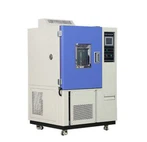
Temperature test chambers play a vital role in various industries by simulating extreme temperature conditions to test the durability and performance of products. These chambers are essential for ensuring product quality, reliability, and safety. In this article, we will explore the uses of temperature test chambers, the standards and processes involved in their operation, and the details that make them indispensable in product testing.
Understanding the Basics of Temperature Test Chambers
What is a Temperature Test Chamber?
A temperature test chamber, also known as an environmental chamber, is a controlled environment used to test the effects of temperature variations on products, materials, or components. These chambers can replicate a wide range of temperatures, from extreme cold to intense heat, allowing manufacturers to assess how their products will perform under different environmental conditions.
Temperature test chambers are used in various industries, including automotive, aerospace, electronics, pharmaceuticals, and more. They help identify potential weaknesses in products and ensure they meet the required standards and regulations.
Key Features of Temperature Test Chambers
- Temperature Range: Temperature test chambers can simulate a broad range of temperatures, typically from -70°C to +180°C. Some advanced models can achieve even more extreme conditions.
- Control Precision: These chambers offer precise control over temperature settings, ensuring accurate and consistent testing conditions.
- Uniformity and Stability: Uniform temperature distribution within the chamber is crucial for reliable test results. Chambers are designed to maintain stable temperatures throughout the testing process.
- Customizable Settings: Users can program specific temperature profiles, including rapid temperature changes, to mimic real-world conditions more accurately.
Why Are Temperature Test Chambers Important?
Temperature test chambers are essential for product development and quality assurance. They help manufacturers:
- Identify Weaknesses: By exposing products to extreme temperatures, manufacturers can identify potential weaknesses and failure points, leading to improvements in design and materials.
- Ensure Compliance: Many industries have strict regulations and standards that products must meet. Temperature testing ensures compliance with these requirements.
- Enhance Reliability: Products tested in temperature chambers are more likely to perform reliably in real-world conditions, reducing the risk of failure and increasing customer satisfaction.
Applications and Standards in Temperature Testing
Common Applications of Temperature Test Chambers
Temperature test chambers are used in a wide range of applications, including:
- Electronics Testing: Electronic components and devices are tested for thermal stability and performance under various temperature conditions. This helps prevent overheating and ensures longevity.
- Automotive Testing: Automotive parts, such as engines, batteries, and interior components, undergo temperature testing to ensure they can withstand extreme weather conditions.
- Aerospace Testing: Aerospace components are subjected to temperature variations to simulate the conditions experienced during flight and ensure reliability and safety.
- Pharmaceutical Testing: Medications and vaccines are tested for stability and efficacy under different temperature conditions, ensuring they remain effective throughout their shelf life.
Standards and Regulations
Temperature test chambers must comply with various industry standards and regulations to ensure accurate and reliable results. Some of the key standards include:
- IEC 60068: The International Electrotechnical Commission (IEC) 60068 standard provides comprehensive guidelines for environmental testing of electrical and electronic equipment. This standard outlines procedures for temperature testing, including temperature cycling, high and low temperature exposure, and thermal shock tests. Adherence to IEC 60068 ensures that electronic devices meet international performance and reliability standards.
- MIL-STD-810: The Military Standard 810 (MIL-STD-810) specifies environmental test methods for defense-related products, including temperature testing. This standard is used to assess the durability and reliability of military equipment under extreme temperature conditions, ensuring that it can perform effectively in diverse operational environments. MIL-STD-810 covers various temperature-related tests, including thermal shock, temperature extremes, and temperature cycling.
- ASTM Standards: The American Society for Testing and Materials (ASTM) provides a range of standards for temperature testing across different industries. ASTM standards cover various aspects of temperature testing, including the methods for evaluating thermal performance, material stability, and product reliability. These standards are widely recognized and used for quality control and product development in multiple sectors.
- ISO 16750: ISO 16750 is an international standard that specifies environmental testing procedures for automotive electrical and electronic equipment. This standard includes temperature testing requirements to ensure that automotive components can withstand the thermal stresses encountered in different driving conditions. Compliance with ISO 16750 helps manufacturers meet industry requirements and ensures the performance and durability of automotive systems.
The Process and Considerations of Temperature Testing
Testing Process
The temperature testing process involves several steps to ensure accurate and reliable results:
- Preparation: The initial step in temperature testing involves placing the product or component inside the temperature test chamber. Proper preparation is crucial to ensure the test's accuracy. This involves positioning the sample correctly to allow for even exposure to the temperature conditions.
- Programming: Once the sample is prepared, the next step is programming the temperature test chamber. This involves setting up the desired temperature profile based on the test objectives. The profile may include steady-state temperatures, where the chamber maintains a constant temperature, temperature cycles, which involve fluctuating temperatures over time, or rapid temperature changes to simulate sudden environmental shifts.
- Testing: With the chamber programmed, the testing phase begins. The chamber simulates the specified temperature conditions while the product's performance is closely monitored. During this phase, various tests may be conducted, including visual inspections to check for any immediate signs of damage or degradation, functional tests to assess if the product operates as intended, and data analysis to track how the product's performance changes with temperature variations.
- Analysis: After the testing phase is complete, the collected data is analyzed to evaluate how the product responded to the temperature variations. This analysis helps identify any failures, weaknesses, or deviations from expected performance. By examining the results, engineers and researchers can determine if the product meets the required standards or if improvements are needed.
Important Considerations
When conducting temperature testing, several factors must be considered to ensure accurate and reliable results:
- Sample Size: Testing multiple samples can help identify consistent patterns and ensure the reliability of the results.
- Test Duration: The duration of the test should be sufficient to simulate real-world conditions accurately. Extended testing periods may be necessary for products that are exposed to extreme temperatures over long periods.
- Data Logging: Accurate data logging is essential for analyzing the results and making informed decisions. Modern temperature test chambers often come with advanced data logging capabilities.
Conclusion
In conclusion, temperature test chambers are indispensable tools for ensuring product quality, reliability, and safety. By simulating extreme temperature conditions, these chambers help manufacturers identify weaknesses, enhance product performance, and comply with industry standards. Whether in electronics, automotive, aerospace, or pharmaceuticals, temperature testing is a critical step in product development and quality assurance.
If you want to learn more about this kind of Environmental Temperature Test Chamber, welcome to contact us info@libtestchamber.com.
References
1. International Electrotechnical Commission (IEC). (2020). IEC 60068-2-1: Environmental testing - Part 2-1: Tests - Test A: Cold.
2. MIL-STD-810H: Environmental Engineering Considerations and Laboratory Tests. (2019). U.S. Department of Defense.
3. ASTM International. (2021). ASTM E-1044: Standard Test Method for Temperature and Humidity Performance of Materials.
4. International Organization for Standardization (ISO). (2020). ISO 16750-4: Road vehicles - Environmental conditions and testing for electrical and electronic equipment - Part 4: Climatic loads.
5. Smith, D., & Jones, L. (2022). Temperature Test Chambers: An Overview of Application and Standards. Journal of Testing and Evaluation, 50(2), 345-360.