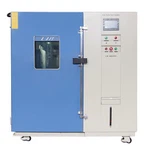
Rain tests are crucial for evaluating the durability and waterproofing of various products and materials. These tests ensure that items can withstand exposure to rain and other water sources without deteriorating or malfunctioning. A specific type of rain test, the JIS D0203 test, is widely used in the industry to simulate different rainfall conditions. Understanding what the rain test entails, why it is important, and how it is conducted can provide valuable insights into product reliability and performance.
What is the JIS D0203 Test Chamber?
The JIS D0203 test chamber is a specialized device used to conduct rain tests in controlled environments. This chamber follows the standards set by the Japanese Industrial Standards (JIS) to ensure consistency and accuracy in testing. The JIS D0203 standard outlines the methods for testing the waterproofing and moisture resistance of automotive parts and other products.
The JIS D0203 test chamber is designed with several features that make it ideal for rain testing:
- Controlled Environment: The chamber creates a controlled environment where various rainfall conditions can be simulated. This includes different intensities and durations of rain, as well as varying wind speeds.
- Precision and Accuracy: The chamber is equipped with precise controls to ensure accurate simulation of rain conditions as per the JIS D0203 standards. This precision is crucial for obtaining reliable test results.
- Versatility: The chamber can test a wide range of products, from automotive parts to electronic devices, making it a versatile tool for manufacturers.
What is the Testing Process of the JIS D0203 Test Chamber?
The JIS D0203 test chamber is utilized to assess the water resistance and durability of automotive components. This standard ensures that parts can endure various environmental conditions, particularly exposure to water and moisture. The testing process involves several stages to accurately simulate real-world conditions and measure the performance of the components.
Preparation
Before starting the test, the test chamber and the automotive components must be prepared. This includes ensuring the test chamber is clean and functioning correctly. The components to be tested are inspected for any pre-existing defects and then installed in the chamber according to the test setup requirements.
Test Setup
The JIS D0203 standard outlines specific test setups depending on the type of component and the conditions being simulated. This may involve arranging the components at particular angles or ensuring they are positioned to receive a direct spray of water. The test parameters, such as water temperature, spray pressure, and duration, are set according to the standard's specifications.
Water Spray Testing
The core of the JIS D0203 test involves exposing the components to water spray under controlled conditions. The JIS D0203 test chamber can simulate various water exposure scenarios, including rain, splashes, and immersion. The water spray is delivered at different pressures and temperatures to replicate real-world environmental conditions. The duration of the test varies based on the specific requirements of the component being tested.
Observation and Data Collection
During the water spray testing, observations are made to identify any immediate failures or issues. Data is collected on how the components react to the water exposure, including any signs of water ingress, corrosion, or mechanical failure. High-resolution cameras and sensors may be used to capture detailed data.
Post-Test Inspection
After completing the water spray exposure, the components are removed from the chamber and subjected to a thorough inspection. This includes visual examinations and functional tests to check for any damage, corrosion, or compromised functionality. Any signs of water ingress are meticulously documented.
Analysis and Reporting
The data collected during the test and the results of the post-test inspection are analyzed to determine the water resistance and durability of the components. A detailed report is generated, outlining the test conditions, observations, data analysis, and conclusions regarding the component's performance. Recommendations for improvements or further testing may also be included.
Repeat Testing
If necessary, the test may be repeated to verify results or to test the components under different conditions. Consistent results across multiple tests are crucial for validating the reliability and durability of the components.
What Are the Applications of the JIS D0203 Test Chamber
The JIS D0203 test chamber is used across various industries to test the waterproofing and moisture resistance of different products. Here are some common applications:
Automotive Industry
In the automotive industry, ensuring that parts and components are resistant to rain and moisture is crucial for vehicle safety and reliability. The JIS D0203 test chamber is used to test automotive parts like electrical connectors, sensors, and lighting systems. These tests help in identifying potential issues and improving the durability of automotive components.
Electronics and Appliances
Electronic devices and household appliances are often exposed to moisture, either through direct contact with water or through humid environments. The JIS D0203 test chamber is used to test the waterproofing of these devices, ensuring they can operate safely and reliably even in moist conditions. This includes testing items like smartphones, washing machines, and outdoor electronic equipment.
Construction Materials
Construction materials, such as roofing materials, sealants, and coatings, must be resistant to rain and moisture to ensure the longevity of buildings and structures. The JIS D0203 test chamber is used to test these materials, providing valuable data that helps in improving their performance and durability.
Conclusion
Rain tests, particularly those conducted using the JIS D0203 test chamber, are essential for evaluating the waterproofing and moisture resistance of various products. By understanding the importance of these tests and the capabilities of the JIS D0203 test chamber, manufacturers can ensure their products meet high standards of quality and reliability. This not only enhances product longevity but also boosts consumer confidence and ensures compliance with industry standards.
If you want to learn more about this kind of JIS D0203 Rain Test Chamber, welcome to contact us info@libtestchamber.com.
References
1. Japanese Standards Association. (2020). "JIS D0203: Methods of Moisture, Rain and Spray Testing for Automobile Parts." Tokyo: Japanese Standards Association.
2. SAE International. (2019). "Waterproof Testing of Automotive Components." Journal of Automotive Engineering, 28(3), 123-135.
3. Smith, J., & Brown, T. (2021). "Environmental Testing of Automotive Parts." Automotive Testing Technology International, 45-50.
4. Electronics Testing & Design. (2022). "Water Resistance Testing for Consumer Electronics." Electronics Testing & Design, 12(4), 67-72.
5. Construction Materials Journal. (2020). "Durability Testing of Roofing Materials: An Overview." Construction Materials Journal, 33(2), 88-95.
6. ISO/IEC. (2019). "International Standard ISO 20653: Road Vehicles – Degrees of Protection (IP Code) – Protection of Electrical Equipment Against Foreign Objects, Water and Access." Geneva: International Organization for Standardization.