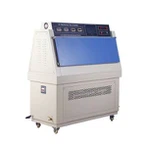
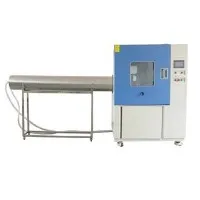
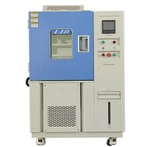
In the domain of ecological testing, understanding how materials get through the destroys of time and receptiveness to various parts is fundamental. One major gadget in this field is the UV aging test chamber. The target of this strategy is to give significant bits of knowledge into the life span and future of various materials by fastidiously mimicking the effects of temperature, dampness, and daylight. We'll go over what a UV aging chamber is, how it works, and how different businesses can use it in this blog post.

Understanding UV Aging Test Chambers
A UV aging test chamber, also known as an aging test chamber, is a specialized device used to simulate the effects of ultraviolet (UV) radiation, temperature, and moisture on materials over an accelerated time frame. This testing method helps predict how materials will behave and deteriorate when exposed to the outside elements for an extended period of time.
The chamber typically features several key components:
- UV Lamps: These emit UV radiation to replicate the sun's UV rays.
- Temperature Control: Allows the simulation of varying temperature conditions.
- Humidity Control: Enables the creation of different humidity levels.
- Sample Holders: Secure the test specimens within the chamber for uniform exposure.
The basic role of a UV aging test chamber is to evaluate the weatherability of materials, like plastics, coatings, materials, and that's only the tip of the iceberg. By presenting these materials to controlled UV radiation, intensity, and dampness, producers can assemble information on potential variety changes, breaking, stripping, and generally debasement. To guarantee the item's consistent quality and longevity, this information is crucial.
How Does a UV Aging Test Chamber Work?
The operation of a UV aging chamber involves several stages designed to replicate real-world environmental conditions. Here's a step-by-step breakdown of the process:
Sample Preparation: The materials or products to be tested are prepared and mounted on the sample holders inside the chamber. It's essential to ensure that the samples are securely fixed and positioned for uniform exposure to the UV light.
Setting Parameters: The test parameters, including UV intensity, temperature, and humidity levels, are set according to the specific requirements of the test. These parameters can be adjusted to simulate different climatic conditions, ranging from tropical to arid environments.
Exposure Cycle: The chamber initiates the exposure cycle, where the samples are subjected to UV radiation, controlled temperature, and humidity. The duration of the test can vary depending on the material and the desired information, ranging from a few hours to several weeks or even months.
Monitoring and Data Collection: Throughout the exposure cycle, the chamber monitors the conditions and collects data on the samples. This data includes changes in color, texture, strength, and other relevant properties.
Analysis and Reporting: After the exposure cycle is complete, the samples are analyzed to determine the extent of degradation. The results are compiled into a report, highlighting the material's performance and potential lifespan under the tested conditions.
The ability to accelerate the aging process in a controlled environment makes the UV aging chamber an invaluable tool for manufacturers. It helps them identify potential weaknesses in their products and make necessary improvements to enhance durability and reliability.
Industry applications
There are many uses for UV aging test chambers in different sectors. Here are some key areas where they are commonly used:

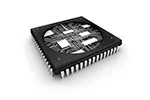
Electronics
Electronic components and solar panels are also subject to environmental testing to ensure their longevity and performance. Early detection of possible problems during the development cycle allows manufacturers to make critical improvements that increase the robustness and dependability of their products.
Consumer Goods
Consumer goods, such as outdoor furniture, textiles, and packaging materials, are often exposed to sunlight and varying weather conditions. UV aging chambers assist makers with surveying the solidness of these items, guaranteeing they can endure delayed openness to UV radiation without huge corruption.
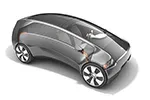
Automotive Industry
In the car business, the sturdiness of outside parts, like paint, plastic trims, and elastic seals, is basic. UV aging test chambers help manufacturers assess how well these materials withstand changes in weather patterns and delayed exposure to daylight.
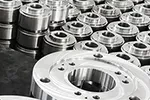
Construction Materials
Building materials, including roofing, siding, and insulation, are constantly exposed to harsh environmental conditions. UV aging test chambers permit makers to assess the life span and execution of these materials when exposed to UV radiation, temperature changes, and dampness.
LIB UV Aging Test Chamber
Bandwidth: 290 ~ 400 nm
Irradiation Source: Fluorescent UV lamps (8) - 40 W
Black Panel Temperature (BPT): 35 ~ 80 ℃
Irradiance Control: 0.3~20 W/㎡
Our address
No.6 Zhangba First St, Shaanxi Province
Phone Number
+8618700875368
info@libtestchamber.com

Benefits of Using UV Aging Test Chambers
Utilizing UV aging test chambers offers numerous benefits for manufacturers and product developers:
Accelerated Testing: These chambers allow for accelerated aging tests, providing valuable data in a shorter time frame compared to real-time outdoor exposure.
Cost-Effective: Manufacturers can avoid costly recalls and failures by choosing the right materials and making well-informed decisions about product design when potential issues are identified early.
Improved Product Quality: The information got from UV aging tests empowers makers to improve the sturdiness and execution of their items, prompting higher consumer loyalty and diminished guarantee claims.
Compliance with Standards: Numerous businesses have explicit norms for weatherability and solidness. UV aging test chambers assist makers with guaranteeing their items fulfill these guidelines, working with market passage and administrative consistence.
Conclusion
In conclusion, a UV aging chamber is an essential tool for assessing the weatherability and durability of materials and products. By simulating real-world environmental conditions, these chambers provide valuable insights into how materials will perform over time. This information helps manufacturers make informed decisions, improve product quality, and ensure customer satisfaction. If you want to learn more about this kind of UV Aging Chamber, welcome to contact us, info@libtestchamber.com.
References
1. ASTM G154-16, Standard Practice for Operating Fluorescent Ultraviolet (UV) Lamp Apparatus for Exposure of Nonmetallic Materials
2. ISO 4892-3:2016, Plastics - Methods of exposure to laboratory light sources - Part 3: Fluorescent UV lamps
3. J. W. Martin, Accelerated Aging of Materials and Structures: The Effects of Long-Term Elevated-Temperature Exposure, Springer Science & Business Media, 2002.
4. ASTM D4329-13(2018), Standard Practice for Fluorescent UV Exposure of Plastics
5. ISO 16474-1:2013, Paints and varnishes - Methods of exposure to laboratory light sources - Part 1: General guidance
6. E. F. Moore, Accelerated Testing: Nature and Artificial Weathering in the Laboratory, Wiley, 2018.
7. ASTM G155-13a, Standard Practice for Operating Xenon Arc Light Apparatus for Exposure of Non-Metallic Materials
8. ISO 12041:2016, Paints and varnishes - Exposure of coatings to artificial weathering - Exposure to filtered xenon-arc radiation
9. A. N. Al-Ghanim, M. A. A. Al-Nassar, Accelerated Testing of Materials and Components: Advances in Mechanical and Electronic Testing, Springer, 2019.
10. ASTM D4587-11(2017), Standard Practice for Fluorescent UV-Condensation Exposures of Paint and Related Coatings.