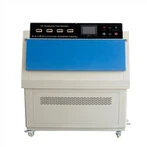
With regard to understanding the life span and strength of materials, the Xenon Weather Test Chamber is a unique advantage. This state-of-the-art piece of gear is an essential device in different enterprises, including the car and materials, since reenacting the impacts of weather patterns on different materials is important. But what exactly is a Xenon Weather Chamber, and why is it so important? Let's dive in.
How Does a Xenon Weathering Test Chamber Work?
A Xenon Weathering Test Chamber utilizes xenon bend lights to mimic full-range daylight, including ultraviolet (UV), noticeable, and infrared (IR) light. These lights intently emulate regular daylight, considering precise and solid testing of material execution under various natural circumstances. How does it work?
Light Simulation
The xenon arc lamps produce light that intently looks like daylight, making it conceivable to imitate different weather patterns, including extreme UV radiation. Testing materials that will be exposed to daylight for extended periods of time requires consideration of this.
Temperature Control
The chamber can precisely control the temperature, both during light exposure and in the dark cycle. This guarantees accurate testing of the material's reaction to both heat and cold.
Humidity Control
Numerous Xenon Weathering Test Chambers can likewise reproduce different stickiness levels, giving an exhaustive ecological testing arrangement. This is essential knowledge for comprehending the effects of moisture on the durability and performance of materials.
Advanced Monitoring Systems
Modern chambers are outfitted with sophisticated monitoring systems that continuously monitor temperature, humidity, and light intensity. For researchers and producers looking to improve the quality and efficiency of their work, this data is invaluable.
By replicating various weather conditions, including continuous sunshine, the xenon weathering test chamber helps researchers and producers understand how materials will respond to these situations. To make materials that can endure the cruel circumstances they would experience in genuine applications, this testing is urgent.
Why is Xenon Weathering Important for Material Testing?
It is impossible to overstate the significance of xenon weathering testing. In the present cutthroat market, the life span and toughness of materials are basic factors that can impact an item's prosperity. Here are a few key motivations behind why xenon weathering is fundamental:
Product Development
By understanding how materials respond to delayed openness to daylight and changing weather patterns, makers can foster more solid and dependable items. This is particularly significant for enterprises, for example, auto, development, and materials, where materials are frequently presented to unforgiving natural circumstances.
Quality Assurance
Regular testing in a Xenon Weathering Test Chamber allows manufacturers to ensure their products meet high-quality standards. It helps identify potential weaknesses in materials before they become significant issues, leading to improved customer satisfaction.
Regulatory Compliance
Many industries have strict regulatory standards regarding material durability and performance. Xenon weathering testing helps companies comply with these standards, avoiding costly fines and recalls.
Market Advantage
Products that are proven to withstand harsh environmental conditions gain a competitive edge in the market. Customers are more likely to trust and invest in products that have been rigorously tested for durability.
Fundamentally, xenon weathering testing is a proactive way to deal with item improvement and quality confirmation. It permits organizations to distinguish and resolve likely issues before they arrive at the market, saving time and assets over the long haul.
Applications of Xenon Weathering Test Chambers
Xenon Weathering Test Chambers are used across various industries, each with unique requirements and standards. Here are some of the most common applications:
Automotive Industry
In the automotive industry, materials used in both the interior and exterior of vehicles are subjected to rigorous testing. The xenon weathering test chamber reproduces the circumstances these materials will confront, guaranteeing they can endure delayed openness to daylight and shifting temperatures.
Textile Industry
Fabrics and textiles used in clothing, outdoor gear, and home furnishings need to be tested for colorfastness and durability. Xenon weathering testing ensures that these materials can retain their color and integrity even after prolonged exposure to sunlight.
Construction Industry
Building materials, including paints, coatings, and plastics, must be durable enough to withstand harsh weather conditions. Xenon weathering test chambers help manufacturers develop and test materials that can maintain their performance and appearance over time.
Consumer Electronics
Electronic devices, especially those used outdoors, need to be tested for durability under various environmental conditions. Xenon weathering testing ensures that these devices can function reliably even after prolonged exposure to sunlight and extreme temperatures.
Agriculture and Packaging
In agriculture, materials like greenhouse films and agricultural covers are tested for their resistance to sunlight and weathering. Similarly, packaging materials need to maintain their integrity and appearance during storage and transportation, which can be simulated using xenon weathering chambers.
These applications highlight the versatility and importance of Xenon Weathering Test Chambers in ensuring the durability and reliability of materials across various industries.
Conclusion
Understanding the capacities and advantages of a Xenon Weathering Test Chamber is critical for businesses that depend on sturdy and durable materials. By reproducing true weather patterns, these chambers give important bits of knowledge into how materials will perform after some time. This testing not just aides in item improvement and quality confirmation yet in addition gives organizations an upper hand on the lookout.
For more information on Accelerated Xenon Weathering Test Chambers and how they can benefit your industry, please contact us at info@libtestchamber.com. Our team at LIB Industry is dedicated to providing comprehensive solutions tailored to your specific testing needs.
References
1. ASTM International. (2023). "Standard Practice for Operating Xenon Arc Light Apparatus for Exposure of Non-Metallic Materials" (ASTM G155). ASTM International.
2. ISO. (2022). "Plastics – Methods of Exposure to Laboratory Light Sources – Part 1: General Guidance" (ISO 4892-1:2022). International Organization for Standardization.
3. Q-Lab Corporation. (2023). "Guide to Accelerated Laboratory Weathering of Plastics." Q-Lab Corporation.
4. Atlas Material Testing Technology LLC. (2023). "Xenon-Arc Testing Basics." Atlas MTT.
5. Fresenius Environmental Bulletin. (2021). "Xenon Arc Exposure Testing for Automotive Applications." Fresenius Environmental Bulletin, 30(2), 1412-1419.
6. Springer, G. S., & Meyers, S. R. (2020). "Effects of Weathering on the Properties of Polymeric Materials." Journal of Applied Polymer Science, 137(23), 48719.
7. Liu, X., Li, X., & Zhang, Y. (2019). "Performance Evaluation of Exterior Automotive Coatings Exposed to Accelerated Weathering." Coatings, 9(10), 633.
8. British Standards Institution. (2022). "Paints and Varnishes – Methods of Exposure to Laboratory Light Sources – Xenon-Arc Lamps" (BS EN ISO 11341:2022). BSI.
9. National Renewable Energy Laboratory. (2018). "Weathering and Durability Testing of Materials for Photovoltaic Applications." NREL/TP-5200-74091.
10. XENON Corporation. (2023). "Xenon Arc Weathering Test Chambers: Technology and Applications." XENON Corporation.