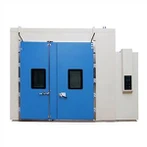
Xenon arc testing is a crucial process in assessing the durability and longevity of materials when exposed to sunlight and other environmental conditions. This testing simulates the effects of sunlight, temperature, humidity, and other factors to predict how materials will perform over time. The xenon weathering chamber plays a central role in this testing, ensuring that products meet quality and durability standards. This blog explores the fundamentals of xenon arc testing, its processes, and its significance in various industries.
What Are the Standards of Xenon Arc Testing?
Xenon arc testing follows specific standards and processes to ensure consistent and reliable results. Several international standards govern these tests, providing guidelines on how to conduct them properly. Some key standards include:
ASTM Standards
The American Society for Testing and Materials (ASTM) has established many standards for xenon arc testing. Among these, ASTM G155 is one of the most widely recognized. This standard provides detailed procedures for exposing non-metallic materials, such as plastics and coatings, to xenon arc light coupled with moisture. ASTM G155 outlines the equipment setup, sample preparation, and testing conditions, ensuring uniformity in how materials are tested and how results are interpreted.
ASTM G155 specifies the following:
- The type of xenon lamp and its spectral output.
- The light intensity and irradiance levels.
- The duration of exposure to ensure that materials are subjected to conditions that simulate extended outdoor use.
Other ASTM standards related to xenon arc testing focus on specific materials and applications, further refining the procedures for diverse testing needs.
ISO Standards
The International Organization for Standardization (ISO) has developed a comprehensive suite of standards for xenon arc testing, such as ISO 4892-2. This standard is primarily concerned with the testing of plastics and specifies the methods for exposing them to xenon arc light using a xenon weathering chamber. ISO 4892-2 is part of a broader series of standards (ISO 4892) that address various aspects of accelerated weathering tests.
ISO 4892-2 includes:
- Guidelines for the calibration of xenon arc equipment.
- Procedures for maintaining controlled temperature and humidity levels.
- Criteria for assessing the degradation of plastics after exposure.
These standards ensure that testing processes are globally consistent, allowing for reliable comparisons of material performance across different regions and laboratories.
AATCC Standards
The American Association of Textile Chemists and Colorists (AATCC) provides standards tailored to the textile industry. For xenon arc testing, AATCC TM16 is a key standard used to evaluate the colorfastness of textiles. This standard outlines the procedures for subjecting textile samples to xenon arc light to simulate the effects of sunlight and moisture on fabric colors.
AATCC TM16 includes:
- Specific instructions for sample preparation and exposure.
- Methods for assessing changes in color, such as fading or discoloration.
- Guidelines for comparing results with control samples to determine the degree of colorfastness.
These standards ensure that tests are conducted uniformly and that results are comparable across different laboratories and industries.
What is the Xenon Arc Testing Process?
The process of xenon arc testing follows a series of well-defined steps to ensure that materials are tested effectively and that the results are meaningful. Using a xenon weathering chamber is central to this process, as it provides controlled conditions for accurate testing. Here's a detailed overview of these steps:
Sample Preparation
Proper sample preparation is crucial for accurate xenon arc testing. Samples must be prepared in accordance with the requirements set out in the relevant standards. This typically involves:
- Cutting materials to precise dimensions.
- Conditioning samples under controlled temperature and humidity conditions to stabilize their properties before testing.
- Ensuring that samples are clean and free from any contaminants that could affect test results.
Chamber Setup
The xenon weathering chamber, where the tests are conducted, must be calibrated and set up according to the standards. This involves:
- Adjusting the xenon lamps to the specified intensity and wavelength.
- Setting the temperature and humidity levels to match the conditions outlined in the standard.
- Ensuring that the chamber is properly maintained to prevent any deviations in the test conditions.
Exposure
Samples are placed in the xenon weathering chamber and exposed to simulated weathering conditions for a predetermined period. Key factors during exposure include:
- The duration of exposure, which varies based on the material and the specific test objectives.
- The intensity of the xenon arc light, which simulates the effects of sunlight.
- The presence of moisture, if applicable, to simulate rain or humidity.
Evaluation
After exposure, the samples are evaluated to determine any changes in their properties. This evaluation process includes:
- Visual inspections to assess any visible signs of degradation, such as fading or surface damage.
- Mechanical testing to measure changes in physical properties like strength or flexibility.
- Chemical analysis to identify any alterations in the material's composition.
The results of the evaluation are compared against pre-established criteria or control samples to determine the material's performance and durability.
Why is Xenon Arc Testing Important?
Xenon arc testing using a xenon weathering chamber is essential for various industries as it helps predict the lifespan and performance of materials and products. Here are some reasons why xenon arc testing is important:
Product Development
During the development phase, xenon arc testing provides critical insights into how materials will behave when exposed to sunlight and environmental conditions. This information helps engineers and designers choose suitable materials and make necessary adjustments to enhance product durability.
Quality Assurance
Xenon arc testing is a vital part of quality assurance processes. By ensuring that materials meet specific durability standards, manufacturers can guarantee that their products will perform as expected, reducing the risk of premature failure and customer dissatisfaction.
Regulatory Compliance
Many industries have strict regulations regarding the durability and performance of products. Xenon arc testing helps manufacturers comply with these regulations, ensuring that their products meet the necessary standards for safety and performance.
Customer Satisfaction
High-quality, durable products lead to greater customer satisfaction. By conducting thorough xenon arc testing, manufacturers can produce reliable products that meet or exceed customer expectations.
Cost Savings
Identifying potential issues early in the product development process can save significant costs associated with product recalls, warranty claims, and brand reputation damage. Xenon arc testing helps prevent these costly problems by ensuring that materials are fit for purpose.
Conclusion
In summary, xenon arc testing is a critical process for evaluating the durability and performance of materials when exposed to sunlight and environmental conditions. The use of xenon weathering chambers ensures accurate and reliable test results, helping manufacturers develop high-quality products that meet industry standards and customer expectations.
For more information about Xenon Weatherometer and how xenon weathering chambers can benefit your product development process, feel free to contact us at info@libtestchamber.com.
References
1. ASTM G155-21 - "Standard Practice for Operating Xenon Arc Light Apparatus for Exposure of Non-Metallic Materials." American Society for Testing and Materials (ASTM).
2. ISO 4892-2:2013 - "Plastics – Methods of exposure to laboratory light sources – Part 2: Xenon-arc lamps." International Organization for Standardization (ISO).
3. AATCC TM16-2016 - "Colorfastness to Light: Xenon-Arc Method." American Association of Textile Chemists and Colorists (AATCC).
4. S. J. Schlotzhauer, "Accelerated Weathering Tests: Xenon Arc Testing for Material Durability," Materials Performance, vol. 59, no. 5, pp. 60-68, 2020.
5. T. M. Rinehart, "Understanding Xenon Arc Weathering Chambers: Functionality and Applications," Journal of Testing and Evaluation, vol. 47, no. 4, pp. 1200-1210, 2019.
6. A. D. Shaw, "Practical Guide to Xenon Arc Testing: Principles and Procedures," Industrial & Engineering Chemistry Research, vol. 57, no. 2, pp. 345-355, 2018.