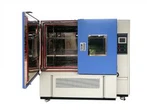
Xenon testing is an important process in the field of environmental testing that uses a xenon test chamber to simulate and accelerate the effects of sunlight and weather conditions on a variety of materials and products. This advanced testing method employs xenon arc lamps to replicate the full spectrum of sunlight, including ultraviolet (UV), visible, and infrared radiation. By subjecting materials to these controlled conditions, manufacturers, and researchers can evaluate the durability, color fastness, and overall performance of their products under intense light exposure.
What Are the Principles Behind Xenon Testing?
Simulation of Solar Radiation
The primary principle behind xenon testing is the accurate simulation of solar radiation. Xenon arc lamps are chosen for this purpose due to their ability to produce a spectral output that closely matches natural sunlight. This similarity allows for a more realistic representation of how materials and products will react when exposed to outdoor conditions over extended periods.
Accelerated Aging Process
Another fundamental principle of xenon testing is the concept of accelerated aging. By exposing materials to intense light and environmental conditions within a xenon test chamber, researchers can compress years of natural weathering into a matter of days or weeks. This acceleration enables rapid assessment of long-term material performance and helps identify potential weaknesses or degradation that might occur over time.
Control of Environmental Parameters
Xenon testing also relies on the precise control of various environmental parameters. In addition to light exposure, xenon test chambers can regulate factors such as temperature, humidity, and water spray cycles. This level of control allows for the creation of specific testing protocols that mimic real-world conditions or adhere to industry standards.
How Is LIB Xenon Testing Conducted?
|
|
|


Preparation of Test Specimens
The xenon testing process begins with the careful preparation of test specimens. Materials or products are cut or shaped to fit within the xenon test chamber, ensuring uniform exposure to the simulated environmental conditions. Proper specimen preparation is crucial for obtaining accurate and reproducible results.
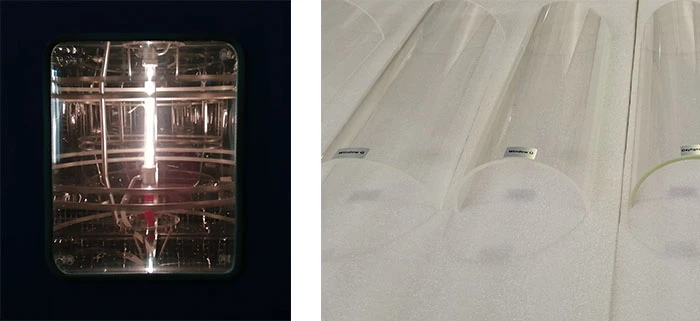
xenon lamp and filters(three types)
Programming the Xenon Test Chamber
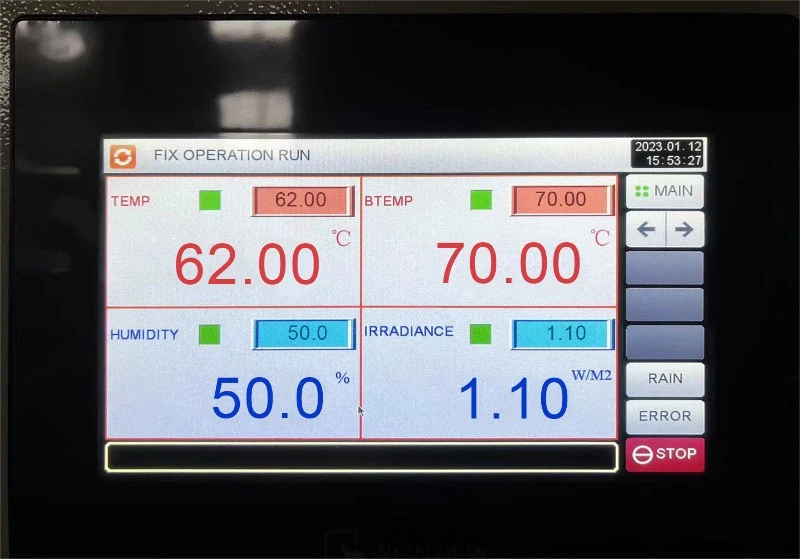
Before initiating the test, technicians program the xenon test chamber with the desired testing parameters. This includes setting the light intensity, spectral distribution, temperature, humidity levels, and any additional environmental factors relevant to the specific test protocol. The programming ensures that the test conditions remain consistent throughout the duration of the experiment.
Exposure and Monitoring
Once the xenon test chamber is programmed and the specimens are in place, the exposure phase begins. The materials are subjected to the predetermined conditions for a specified period, which can range from hours to weeks, depending on the test requirements. Throughout this process, the xenon test chamber continuously monitors and adjusts the environmental parameters to maintain the desired conditions.
Data Collection and Analysis
Throughout the xenon testing process, sophisticated data collection systems continuously monitor and record various parameters. This may include light intensity, temperature, humidity levels, and any changes in the test specimens. After the test is complete, researchers analyze this data to evaluate material performance, identify degradation patterns, and make informed decisions about product improvements or modifications.

What Materials and Products Are Tested Using LIB Xenon Testing?
Textiles and Fabrics
Xenon testing is widely used in the textile industry to evaluate the color fastness and durability of fabrics. This includes testing clothing materials, upholstery fabrics, and outdoor textiles such as awnings and tents. The xenon test chamber helps manufacturers assess how well their products will retain their color and structural integrity when exposed to sunlight and weather conditions.
Plastics and Polymers
Xenon testing is extensively used in the plastics and polymer industry to assess the weathering resistance of various materials. From outdoor furniture to packaging materials, xenon test chambers help manufacturers evaluate how their products will withstand prolonged exposure to sunlight and environmental factors. This testing is particularly crucial for items intended for outdoor use or those that may be exposed to harsh environmental conditions during transportation and storage.
Pharmaceuticals and Cosmetics
In the pharmaceutical and cosmetic industries, xenon testing plays a vital role in assessing the photostability of products. Many medications and personal care items are sensitive to light exposure, which can affect their efficacy and safety. Xenon test chambers help researchers evaluate how these products respond to various light conditions, ensuring that they remain stable and effective throughout their shelf life.
Construction Materials
Xenon testing plays a crucial role in evaluating the durability of construction materials exposed to outdoor conditions. Roofing materials, exterior paints, sealants, and cladding systems are subjected to xenon testing to determine their resistance to UV radiation, temperature fluctuations, and moisture. This information helps architects and builders select materials that will maintain their appearance and performance over time.


xenon test chamber XL-S-750 UV test chamber UV-260
If you're interested in learning more about xenon testing or need a Xenon Test Chamber for your environmental testing needs, don't hesitate to reach out to us at info@libtestchamber.com. Our team of experts is ready to assist you in finding the perfect solution for your testing requirements.