






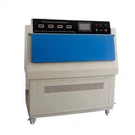
Hey there! As a supplier of Xenon testers, I often get asked about safety precautions when using these machines. Xenon testers are super useful for simulating the effects of sunlight and other environmental factors on materials, but like any piece of equipment, they need to be used with care. So, let's dive into the safety aspects of using a Xenon tester.
General Safety Precautions
First off, before you even start using a Xenon tester, make sure you've read the user manual thoroughly. It's like the Bible for your machine. The manual will give you all the specific instructions and safety guidelines for your particular model. Don't skip this step! It can save you a lot of headaches and potential accidents.
When it comes to the physical setup of the tester, ensure it's placed on a stable and level surface. You don't want it tipping over during operation. Also, make sure there's enough space around the tester for proper ventilation. Xenon testers generate a fair amount of heat, and good ventilation helps prevent overheating.
Electrical Safety
One of the most important safety areas is electrical safety. Always plug the Xenon tester into a properly grounded electrical outlet. This helps protect you from electrical shocks. If you notice any frayed wires or damaged plugs, don't use the tester. Instead, have a qualified electrician repair or replace the faulty parts.
Another thing to keep in mind is to avoid overloading the electrical circuit. Check the power requirements of the tester and make sure the circuit can handle it. Overloading can lead to electrical fires, which are definitely not something you want to deal with.
Radiation Safety
Xenon testers use xenon lamps to simulate sunlight, and these lamps emit ultraviolet (UV) and infrared (IR) radiation. This radiation can be harmful to your skin and eyes. So, it's crucial to wear appropriate protective gear. Safety goggles are a must to protect your eyes from UV and IR rays. You should also wear long-sleeved shirts and gloves to protect your skin.
When the tester is in operation, never open the chamber door. The radiation inside the chamber can be extremely intense, and exposure can cause serious damage. Wait until the tester has completely shut down and cooled off before opening the door.
Chemical Safety
Some Xenon testers may use chemicals in the testing process. If this is the case, make sure you handle these chemicals with care. Read the safety data sheets (SDS) for each chemical and follow the recommended handling procedures. Wear appropriate chemical-resistant gloves and goggles when working with chemicals.
Also, make sure to store chemicals in a proper storage area. Keep them away from heat sources and incompatible substances. And always clean up any spills immediately using the appropriate cleaning materials.
Maintenance and Inspection
Regular maintenance and inspection of your Xenon tester are essential for safety. Check the tester regularly for any signs of wear and tear, such as loose parts or leaks. If you notice any issues, have them repaired as soon as possible.

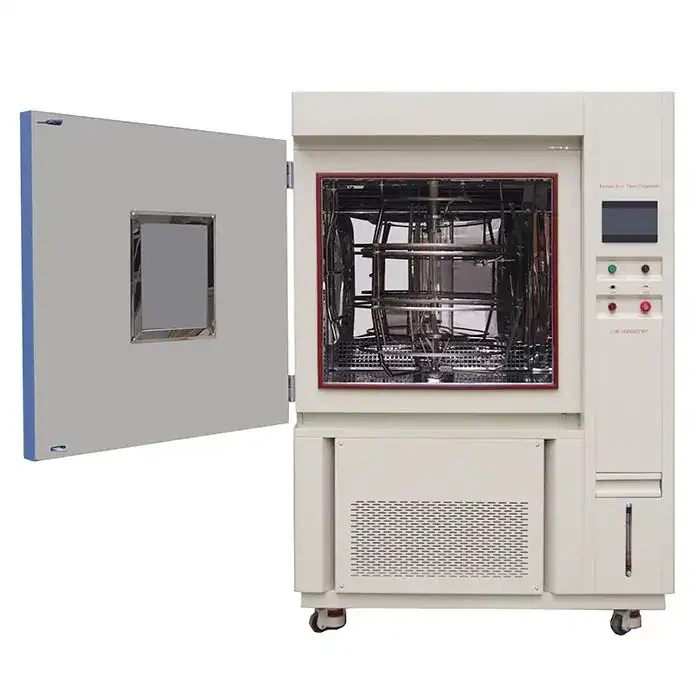
It's also a good idea to have the tester serviced by a professional on a regular basis. They can perform more in-depth inspections and maintenance tasks to ensure the tester is working safely and efficiently.
Training and Supervision
If you're using a Xenon tester in a workplace, make sure all operators are properly trained. Training should cover the safe operation of the tester, as well as the safety precautions we've discussed. New operators should be supervised until they are fully competent.
Additional Resources
If you're interested in other types of testing equipment, we also offer Uv Light Accelerated Aging Chamber and Light Fastness Test Instrument. And if you need a tester that complies with ISO 4892-2 standards, check out our ISO 4892-2 Xenon Test Chamber.
Conclusion
In conclusion, using a Xenon tester can be a great way to test the durability and performance of materials. But it's important to follow the safety precautions to ensure your safety and the proper functioning of the tester. If you have any questions or need more information about our Xenon testers or other testing equipment, don't hesitate to contact us for a purchase negotiation.
References
- Manufacturer's user manual for Xenon testers
- Safety data sheets for chemicals used in testing
- Industry standards and guidelines for testing equipment safety