


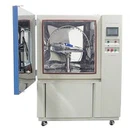
As a fadeometer supplier, I often get asked if our fadeometers can be used for testing electronic device casings. Well, the short answer is yes! But let's dive into the details to understand why and how.
Why Test Electronic Device Casings?
Electronic devices are everywhere in our lives, from smartphones and tablets to laptops and smart home devices. Their casings not only protect the internal components but also contribute to the overall aesthetic and user experience. However, these casings are exposed to various environmental factors over time, such as sunlight, heat, humidity, and chemicals. These factors can cause fading, discoloration, cracking, and other forms of degradation, which not only affect the appearance but also the functionality and durability of the devices.
Testing the casings of electronic devices is crucial to ensure their quality, performance, and longevity. By simulating real-world environmental conditions in a controlled laboratory setting, fadeometers can help manufacturers identify potential issues early in the product development process and make necessary improvements to enhance the durability and reliability of their products.


How Fadeometers Work
Fadeometers are specialized testing equipment designed to simulate the effects of sunlight, heat, and humidity on materials. They use a combination of light sources, such as xenon arc lamps or fluorescent UV lamps, to mimic the spectral distribution of natural sunlight. The samples are placed inside the fadeometer chamber, where they are exposed to the simulated sunlight for a specified period of time. During the exposure, the fadeometer monitors and controls various parameters, such as temperature, humidity, and light intensity, to ensure consistent and accurate testing conditions.
The key advantage of using a fadeometer is that it can accelerate the aging process of materials, allowing manufacturers to obtain reliable test results in a relatively short period of time. For example, a fadeometer test that simulates one year of outdoor exposure can be completed in just a few weeks or months, depending on the test conditions and the type of material being tested.
Testing Electronic Device Casings with Fadeometers
When it comes to testing electronic device casings, fadeometers can be used to evaluate various aspects of their performance, including colorfastness, UV resistance, and weatherability. Here are some of the key tests that can be performed using a fadeometer:
Colorfastness Testing
Colorfastness is an important property of electronic device casings, as it determines how well the color of the casing retains its original appearance over time. Fadeometers can be used to simulate the effects of sunlight and other environmental factors on the color of the casing, allowing manufacturers to evaluate its colorfastness and make necessary adjustments to the material or the manufacturing process.
UV Resistance Testing
Ultraviolet (UV) radiation is one of the main causes of fading and discoloration in electronic device casings. Fadeometers can be used to test the UV resistance of the casing materials by exposing them to high-intensity UV light for a specified period of time. The test results can help manufacturers select the appropriate materials and coatings to protect the casings from UV damage.
Weatherability Testing
Weatherability refers to the ability of a material to withstand the effects of weathering, such as sunlight, heat, humidity, and rain. Fadeometers can be used to simulate these environmental conditions and evaluate the weatherability of electronic device casings. By exposing the casings to a combination of light, heat, and moisture, manufacturers can determine how well the casings will perform in real-world outdoor environments.
Our Fadeometer Solutions
At our company, we offer a range of fadeometers and related testing equipment to meet the diverse needs of our customers. Our fadeometers are designed to provide accurate and reliable test results, and they are easy to operate and maintain. Here are some of our popular products:
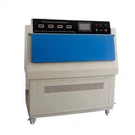
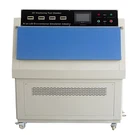
- UV Chamber: Our UV chamber is a versatile testing equipment that can be used to simulate the effects of UV radiation on materials. It features a high-intensity UV lamp and a temperature and humidity control system, allowing you to create a variety of testing conditions.
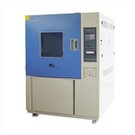
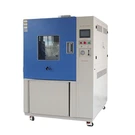
- UV Environmental Chamber: Our UV environmental chamber is a more advanced version of the UV chamber, which can simulate a wider range of environmental conditions, including temperature, humidity, and light intensity. It is ideal for testing the weatherability of electronic device casings and other materials.
- UV Fluorescence Durability Tester: Our UV fluorescence durability tester is a specialized testing equipment that can be used to evaluate the fluorescence properties of materials. It features a high-intensity UV lamp and a fluorescence detector, allowing you to measure the fluorescence intensity and durability of the materials.
Conclusion
In conclusion, fadeometers can be effectively used for testing electronic device casings. By simulating real-world environmental conditions, fadeometers can help manufacturers evaluate the colorfastness, UV resistance, and weatherability of the casings, and make necessary improvements to enhance their quality and durability. At our company, we are committed to providing high-quality fadeometers and related testing equipment to help our customers ensure the reliability and performance of their products.
If you are interested in learning more about our fadeometer solutions or would like to discuss your specific testing needs, please don't hesitate to contact us. We look forward to working with you!
References
- ASTM International. (2021). Standard Practice for Operating Xenon Arc Light Apparatus for Exposure of Nonmetallic Materials. ASTM G155 - 13(2021).
- ISO. (2019). Plastics — Methods of exposure to laboratory light sources — Part 2: Xenon-arc lamps. ISO 4892 - 2:2019.
- SAE International. (2016). Automotive Interior Trim Material Accelerated Exposure Test Using a Controlled Irradiance Water-cooled Xenon-Arc Apparatus. SAE J2412 - 2016.