


Hey there! As a supplier of IPX4 testing services, I often get asked a bunch of questions about what products can and can't be tested using the IPX4 standard. Today, I'm gonna dive into one specific query: Can the IPX4 test be used for pet feeders?
Let's start by getting on the same page about what the IPX4 test actually is. The IPX4 test is part of the International Protection (IP) code system, which rates the degree of protection provided by enclosures against the ingress of foreign objects (like dust) and water. In the case of IPX4, it means the enclosure has a degree of protection against splash water from any direction.
Now, when it comes to pet feeders, they come in all shapes and sizes. Some are simple gravity - fed feeders that just sit in a corner of your house, while others are high - tech, automated devices that can dispense food at set times. The environment in which these pet feeders are used also varies greatly. Some are placed indoors, where the risk of water exposure is relatively low, but others might be used outdoors, in a backyard or a porch area where they could be exposed to splashes from rain, a sprinkler system, or even a playful pet with a water bowl.
Why IPX4 Testing Might Matter for Pet Feeders
First off, let's think about the outdoor pet feeders. If it's raining or if there's a nearby sprinkler, these feeders can get splashed with water. And if the feeder isn't properly protected, water can seep inside. This can lead to all sorts of problems. For one, it can cause the pet food to get wet and moldy. Moldy food is not only unappetizing for your furry friend but can also be harmful to their health.
Secondly, if the pet feeder has any electrical components (like in the case of automated feeders), water ingress can cause electrical short - circuits. This can damage the feeder, making it malfunction and potentially leave your pet without food at the scheduled times.
That's where the IPX4 test comes in. If a pet feeder passes the IPX4 test, it means that it can withstand splash water from any direction. So, in a light rain or a gentle splash from a sprinkler, the feeder should be able to keep the water out and do its job properly.
How the IPX4 Test Works for Pet Feeders
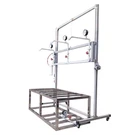
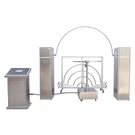
As a supplier of IPX4 testing, we use specialized equipment to simulate the splash water conditions. One of the key pieces of equipment we use is the IPX3 X4 Test Chamber. This chamber is designed to create a controlled environment where we can direct water sprays at the pet feeder from different angles.


We place the pet feeder inside the chamber and then start the test. The chamber has nozzles that spray water at the feeder, simulating the splashing that the feeder might experience in real - world scenarios. We run the test for a set period of time, following the strict guidelines of the IPX4 standard.
During the test, we closely monitor the feeder. After the test is over, we check for any signs of water ingress. If there's no water inside the feeder or if the amount of water that has entered is within the acceptable limits defined by the IPX4 standard, then the feeder passes the test.
Limitations of IPX4 Testing for Pet Feeders
While the IPX4 test is great for testing the feeder's ability to withstand splashes, it does have its limitations. For example, the IPX4 test doesn't account for heavy rain or immersion in water. If your pet's feeder is going to be in an area where it could be exposed to heavy downpours or if there's a risk of it getting submerged in water (like if your dog knocks it into a water puddle), then the IPX4 rating might not be enough.
In such cases, a more rigorous test might be required. For instance, we also offer tests using the Leak Test Chamber and the Waterproof Chamber. These chambers can simulate more extreme water conditions, such as continuous water flow or complete immersion.
Benefits of IPX4 - Tested Pet Feeders for Pet Owners
For pet owners, having an IPX4 - tested pet feeder gives them peace of mind. They know that their pet's feeder can handle a bit of water splashing without ruining the food or breaking down. This is especially important for those who have busy schedules and rely on automated feeders to ensure their pets are fed on time.
An IPX4 - tested feeder also means that it's likely to have a longer lifespan. Since it can resist water damage, it won't need to be replaced as often, saving pet owners money in the long run.
Impact on Pet Feeder Manufacturers
For pet feeder manufacturers, getting their products IPX4 - tested can be a huge selling point. In today's market, consumers are becoming more aware of the importance of quality and durability. An IPX4 rating can set their products apart from the competition.
It also shows that the manufacturer is committed to producing high - quality, reliable products. This can help build brand reputation and customer loyalty.
Conclusion
So, can the IPX4 test be used for pet feeders? Absolutely! It's a great way to test the feeder's ability to withstand splashing water, which is a common risk, especially for outdoor feeders. However, it's important to understand its limitations and consider more rigorous testing options if necessary.
If you're a pet feeder manufacturer looking to have your products tested, or if you're a distributor interested in sourcing IPX4 - tested pet feeders, we're here to help. Our team of experts can guide you through the testing process and ensure that your products meet the highest standards of quality and performance. Don't hesitate to reach out for a detailed discussion and a cost - effective testing solution.
References
- International Electrotechnical Commission (IEC) standards related to IPX4 testing.
- Industry reports on the development of pet feeder technology and the importance of waterproofing features.