

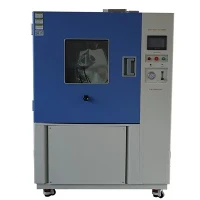
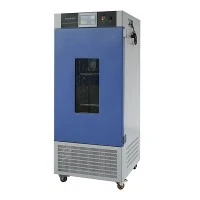
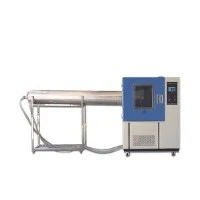
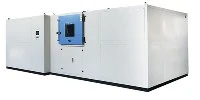
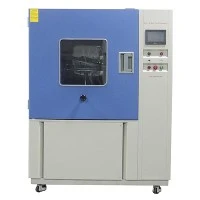

Hey there! As a supplier of rain chambers, I'm stoked to dive into what these nifty pieces of equipment are used for. Rain chambers, also known as water test chambers, are super versatile and play a crucial role in a bunch of industries. Let's take a closer look at their various applications.
Quality Testing in Electronics
One of the most common uses of rain chambers is in the electronics industry. With the increasing demand for waterproof and water - resistant devices, manufacturers need to ensure that their products can withstand exposure to water. Whether it's a smartphone, a smartwatch, or a set of wireless earbuds, these gadgets need to be tested to meet certain standards.
In a rain chamber, electronic devices are subjected to different levels of water exposure, simulating real - world scenarios like rain, splashes, or submersion. For example, a smartphone might be placed in a chamber and sprayed with water at a specific pressure and flow rate to see if it can still function properly. This helps manufacturers identify any potential weaknesses in their product design and make necessary improvements. If you're interested in a chamber for this kind of testing, you can check out our Splash Water Test Chamber.
Automotive Industry
The automotive industry also heavily relies on rain chambers for testing. Cars and other vehicles need to be able to handle all kinds of weather conditions, including heavy rain. Rain chambers are used to test the waterproofing of a vehicle's body, electrical systems, and other components.
For instance, a Vehicle Blowing Rain Test Chamber can simulate strong winds and heavy rain at the same time. This helps automotive engineers evaluate how well a vehicle's seals, windows, and doors keep water out. It also allows them to test the performance of the vehicle's wipers and lighting systems in wet conditions. By conducting these tests, automakers can ensure that their vehicles are safe and reliable for consumers.
Aerospace and Aviation
In the aerospace and aviation sectors, rain chambers are used to test aircraft components. Planes need to be able to fly safely in all weather conditions, including rain. Components such as landing gear, avionics systems, and external sensors need to be tested to ensure they can function properly when exposed to water.
A rain chamber can simulate different types of rain, from light drizzles to heavy downpours. This helps engineers understand how water affects the performance of these components. For example, testing the electrical connectors on an aircraft in a rain chamber can help prevent short - circuits and other electrical failures that could be catastrophic during flight.
Building and Construction
Builders and construction companies also use rain chambers to test building materials and structures. For example, windows, doors, and roofing materials need to be tested for their waterproofing capabilities. A rain chamber can simulate different rainfall intensities and durations to see how well these materials hold up.
This is important because a leaky roof or a faulty window can lead to water damage inside a building, which can be costly to repair. By testing these materials in a rain chamber, construction companies can ensure that their buildings are well - protected against the elements.
Environmental Research
Rain chambers are also used in environmental research. Scientists can use these chambers to study the effects of rainfall on plants, soil, and other environmental factors. For example, they can simulate different rainfall patterns to see how plants respond to changes in water availability.
This kind of research is crucial for understanding how ecosystems function and how they might be affected by climate change. By using rain chambers, scientists can conduct controlled experiments and gather data that can help in making informed decisions about environmental conservation.
IP Testing
Another important application of rain chambers is in IP (Ingress Protection) testing. IP ratings are used to indicate the level of protection that an enclosure provides against the ingress of solid objects and water. IP Testing Machine is a great tool for this kind of testing.
In a rain chamber, products are tested according to the IP rating standards. For example, an IPX3 rating means that the product can withstand water spraying at an angle of up to 60 degrees from the vertical. By using a rain chamber for IP testing, manufacturers can ensure that their products meet the required standards and are safe for use in different environments.
Conclusion
As you can see, rain chambers have a wide range of applications across various industries. They are essential tools for ensuring product quality, safety, and reliability. Whether you're in the electronics, automotive, aerospace, building, or environmental research field, a rain chamber can help you test your products and materials under realistic conditions.
If you're interested in purchasing a rain chamber for your testing needs, don't hesitate to reach out. We're here to help you find the right solution for your specific requirements. Our team of experts can provide you with all the information you need and guide you through the purchasing process. So, let's start a conversation and see how we can work together to meet your testing goals!


References
- ASTM International standards for environmental testing.
- ISO standards related to waterproofing and ingress protection.