

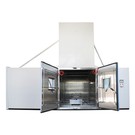

MIL-STD-810G is a crucial standard in the realm of military and industrial equipment testing. As a supplier of MIL-STD-810G compliant products and solutions, I have witnessed firsthand the significance of this standard in ensuring the reliability and performance of various equipment under diverse environmental conditions. In this blog, I will delve into the main purposes of MIL-STD-810G and explore how it benefits equipment manufacturers, military organizations, and end-users alike.
Ensuring Equipment Reliability in Harsh Environments
One of the primary purposes of MIL-STD-810G is to ensure that military and industrial equipment can operate reliably in harsh and challenging environments. The standard provides a comprehensive set of test methods and procedures to evaluate the equipment's ability to withstand a wide range of environmental stresses, including temperature extremes, humidity, sand and dust, vibration, shock, and altitude.
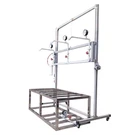
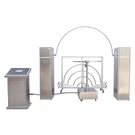
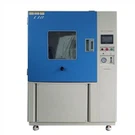
For example, the Sand Test Equipment specified in MIL-STD-810G is designed to simulate the effects of blowing sand on equipment. This test is crucial for equipment that will be used in desert environments, where sand and dust can cause significant damage to components, including abrasion, clogging, and corrosion. By subjecting equipment to sand testing, manufacturers can identify potential weaknesses and make necessary design improvements to ensure that their products can perform reliably in these challenging conditions.
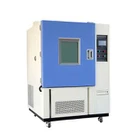
Similarly, the Dust Ingress Chamber test method is used to evaluate the equipment's resistance to dust ingress. This test is important for equipment that will be used in dusty environments, such as construction sites or mines. By ensuring that equipment is properly sealed and protected against dust, manufacturers can prevent damage to internal components and extend the equipment's lifespan.
Standardizing Testing Procedures
Another important purpose of MIL-STD-810G is to standardize testing procedures across the military and industrial sectors. This standardization ensures that all equipment is tested using consistent methods and criteria, which allows for fair and accurate comparisons between different products and manufacturers.
By adhering to MIL-STD-810G, manufacturers can demonstrate that their equipment meets the rigorous requirements of the military and industrial standards. This can be particularly important for companies that are seeking to supply equipment to government agencies or military organizations, as compliance with MIL-STD-810G is often a requirement for contract awards.
In addition, standardizing testing procedures can help to reduce costs and improve efficiency. By using a common set of test methods, manufacturers can avoid the need to develop and validate their own testing procedures, which can be time-consuming and expensive.
Facilitating Equipment Procurement and Deployment
MIL-STD-810G also plays a crucial role in facilitating equipment procurement and deployment. By providing a standardized set of testing requirements, the standard helps military organizations and other end-users to evaluate and select equipment that is suitable for their specific needs and operating environments.
For example, when procuring equipment for use in a particular theater of operations, military planners can use MIL-STD-810G to ensure that the equipment can withstand the environmental conditions that it will encounter. This can help to reduce the risk of equipment failure and downtime, which can have significant consequences in a military context.
In addition, MIL-STD-810G can help to ensure that equipment is interoperable and compatible with other systems and platforms. By testing equipment for compatibility with other military standards and requirements, manufacturers can help to ensure that their products can be easily integrated into existing military systems and operations.
Promoting Innovation and Continuous Improvement
Finally, MIL-STD-810G promotes innovation and continuous improvement in the design and development of military and industrial equipment. By setting high standards for equipment performance and reliability, the standard encourages manufacturers to develop new technologies and materials that can withstand the most challenging environmental conditions.
For example, in response to the requirements of MIL-STD-810G, manufacturers have developed new coatings and materials that are more resistant to abrasion, corrosion, and other environmental stresses. These innovations have not only improved the performance and reliability of military and industrial equipment but have also had applications in other industries, such as aerospace, automotive, and consumer electronics.
In addition, MIL-STD-810G encourages manufacturers to conduct continuous testing and evaluation of their products to identify areas for improvement. By regularly testing their equipment against the latest version of the standard, manufacturers can stay ahead of emerging environmental challenges and ensure that their products remain competitive in the marketplace.


Conclusion
In conclusion, MIL-STD-810G serves several important purposes in the military and industrial sectors. By ensuring equipment reliability in harsh environments, standardizing testing procedures, facilitating equipment procurement and deployment, and promoting innovation and continuous improvement, the standard plays a crucial role in ensuring the success of military operations and the efficiency of industrial processes.
As a supplier of MIL-STD-810G compliant products and solutions, I am committed to helping our customers meet the challenges of operating in harsh and demanding environments. Our Dust Sand Testing Facilities are designed to provide accurate and reliable testing results, helping manufacturers to ensure that their equipment meets the requirements of MIL-STD-810G.
If you are interested in learning more about MIL-STD-810G and how our products and services can help you meet your testing needs, please contact us to discuss your procurement requirements. We look forward to working with you to ensure the reliability and performance of your equipment in the most challenging environments.
References
- U.S. Department of Defense, "MIL-STD-810G, Environmental Engineering Considerations and Laboratory Tests."