

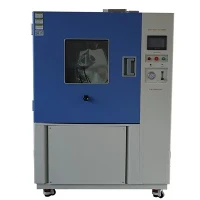
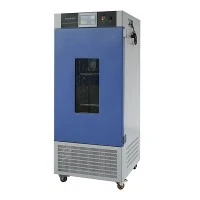
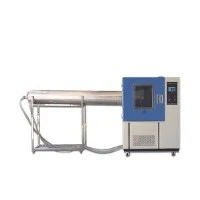
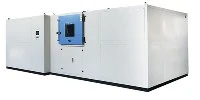
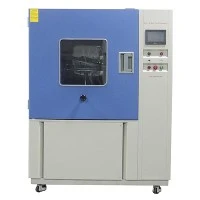

Optimizing the test process with an IPX9k tester is crucial for manufacturers and quality control teams aiming to ensure the highest standards of product waterproofing and durability. As a leading IPX9k tester supplier, we understand the significance of an efficient and effective testing procedure. In this blog post, we will explore various strategies and best practices to help you make the most of your IPX9k testing process.
Understanding the IPX9k Standard
Before delving into the optimization strategies, it's essential to have a clear understanding of the IPX9k standard. The IPX9k rating is part of the Ingress Protection (IP) code system, which classifies the degree of protection provided by an enclosure against the intrusion of solid objects and water. The "9k" indicates that the product is protected against high - pressure, high - temperature water jets, typically used in applications where the equipment is exposed to harsh cleaning conditions, such as in the automotive, food processing, and industrial sectors.
Pre - Test Preparation
- Calibration of the IPX9k Tester: Regular calibration of the IPX9k tester is fundamental to obtaining accurate and reliable test results. Ensure that the tester is calibrated according to the manufacturer's recommendations and relevant industry standards. This includes checking the water pressure, temperature, flow rate, and nozzle specifications. A calibrated tester will provide consistent results, reducing the risk of false positives or negatives.
- Sample Selection: Select representative samples from the production batch. The samples should be randomly chosen to ensure that the test results are applicable to the entire production run. Consider the size, shape, and material of the samples, as these factors can affect the test outcome. For example, if you are testing electronic devices, ensure that the samples include different models or variants to cover a wide range of potential scenarios.
- Test Environment Setup: Create a suitable test environment that mimics the real - world conditions where the product will be used. The temperature and humidity of the test area should be controlled within the specified range. Additionally, ensure that the test area is well - ventilated to prevent the accumulation of steam or water vapor, which can interfere with the test.
Test Execution
- Proper Positioning of the Sample: Position the sample correctly in the test chamber to ensure that all critical areas of the product are exposed to the water jets. Follow the test protocol provided by the IPX9k standard, which specifies the distance between the nozzle and the sample, the angle of the water jets, and the duration of the test. Incorrect positioning can lead to inaccurate test results, as some areas of the product may not receive the required water pressure or temperature.
- Monitoring the Test Parameters: Continuously monitor the test parameters during the execution of the test. This includes the water pressure, temperature, and flow rate. Any deviation from the specified parameters should be recorded and addressed immediately. For example, if the water pressure drops below the required level, it may indicate a problem with the tester or the water supply system.
- Documentation: Keep detailed records of the test process, including the test start and end times, the test parameters, and any observations made during the test. This documentation will be valuable for quality control purposes, as well as for providing evidence of compliance with the IPX9k standard to customers or regulatory authorities.
Post - Test Analysis
- Inspection of the Sample: After the test, carefully inspect the sample for any signs of water ingress. This may include visual inspection, as well as more detailed tests, such as electrical conductivity tests for electronic devices. Look for water stains, moisture inside the enclosure, or any damage to the product caused by the water jets.
- Data Analysis: Analyze the test data to identify any trends or patterns. Compare the results of different samples to determine if there are any variations in the product's performance. If there are significant differences, investigate the possible causes, such as manufacturing defects or variations in the material properties.
- Report Generation: Generate a comprehensive test report that summarizes the test results, including the test parameters, the inspection findings, and the conclusion regarding the product's compliance with the IPX9k standard. The report should be clear, concise, and easy to understand, and it should include all the necessary information for the customer or regulatory authorities.
Integration with Other Testing Equipment
To further optimize the test process, consider integrating the IPX9k tester with other testing equipment. For example, you can combine the IPX9k test with the IPX6K Test Machine to test the product's resistance to high - pressure water jets under different conditions. The IPX6K test machine is designed to simulate heavy rain and high - pressure water sprays, providing additional information about the product's waterproofing capabilities.
Similarly, the IPX4 Test System can be used in conjunction with the IPX9k tester to test the product's resistance to splashing water. This combination of tests can provide a more comprehensive evaluation of the product's waterproofing performance.
In addition, the Sand Dust Ingress Test Chamber can be used to test the product's resistance to dust and sand ingress. This is particularly important for products used in harsh environments, such as construction sites or desert areas. By integrating these different types of tests, you can obtain a more complete picture of the product's durability and performance.
Training and Support
Ensure that your testing staff is properly trained to operate the IPX9k tester and perform the tests accurately. Provide training on the test procedures, the operation of the tester, and the interpretation of the test results. Regularly update the training to keep the staff informed about the latest industry standards and best practices.


As a supplier, we also offer comprehensive support services, including technical assistance, maintenance, and calibration services. Our team of experts is available to answer any questions you may have and to help you troubleshoot any problems that may arise during the testing process.
Conclusion
Optimizing the test process with an IPX9k tester is a multi - faceted approach that involves pre - test preparation, proper test execution, post - test analysis, integration with other testing equipment, and training and support. By following these strategies and best practices, you can ensure the accuracy and reliability of your IPX9k tests, leading to higher - quality products and increased customer satisfaction.
If you are interested in learning more about our IPX9k testers or optimizing your test process, we encourage you to contact us for a detailed discussion. Our team of experts is ready to assist you in finding the best solution for your testing needs.
References
- International Electrotechnical Commission (IEC). IEC 60529: Degrees of protection provided by enclosures (IP Code).
- Various industry standards related to waterproofing and durability testing in different sectors such as automotive, food processing, etc.