

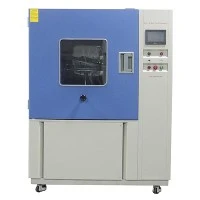

What is the internal volume of a temp chamber?
As a supplier of temperature chambers, I often get asked about the internal volume of these chambers. The internal volume of a temperature chamber is a crucial factor that can significantly impact its functionality, application, and overall performance. In this blog post, I'll delve into what the internal volume of a temp chamber means, why it matters, and how to choose the right volume for your specific needs.
Understanding the Internal Volume of a Temp Chamber
The internal volume of a temperature chamber refers to the amount of space available inside the chamber for placing the test samples or products. It is typically measured in cubic feet or cubic meters. This volume determines how many items can be tested simultaneously and the size of the items that can fit inside the chamber.
For example, if you are testing small electronic components, you may not need a large internal volume. However, if you are testing larger items such as automotive parts or industrial equipment, a chamber with a larger internal volume will be necessary.
Why the Internal Volume Matters
- Testing Capacity: A larger internal volume allows you to test more samples at once, which can increase the efficiency of your testing process. This is particularly important for high - volume production testing, where time is of the essence.
- Sample Size Compatibility: If your samples are large, a chamber with a small internal volume may not be able to accommodate them. Ensuring that the chamber's internal volume is large enough for your samples is essential for accurate testing.
- Temperature Uniformity: The internal volume can also affect the temperature uniformity within the chamber. In a larger chamber, it may be more challenging to maintain a consistent temperature throughout the space. However, modern temperature chambers are designed with advanced airflow systems to minimize temperature variations, even in larger volumes.
Factors to Consider When Choosing the Internal Volume
- Sample Size and Quantity: As mentioned earlier, the size and number of samples you need to test are the primary factors in determining the internal volume. Make a list of the largest sample you will be testing and the maximum number of samples you want to test simultaneously.
- Future Expansion: Consider your future testing needs. If you anticipate an increase in the size or quantity of samples in the future, it may be wise to choose a chamber with a larger internal volume to accommodate this growth.
- Available Space: The physical space where you plan to install the temperature chamber is also an important consideration. A large - volume chamber may require more floor space, so make sure you have enough room in your testing facility.
Different Types of Temp Chambers and Their Internal Volumes
- RTCA DO - 160 Vibration Chamber: RTCA DO - 160 Vibration Chamber is designed for testing electronic and electrical equipment under vibration and temperature conditions. These chambers come in various internal volumes to suit different testing requirements. Smaller chambers may have an internal volume of around 1 - 2 cubic feet, while larger ones can go up to 10 cubic feet or more.
- Ultra Low Freezer: Ultra Low Freezer is used for storing and testing samples at extremely low temperatures. The internal volume of ultra - low freezers can range from a few cubic feet for laboratory - scale models to larger volumes for industrial applications.
- 400 Temperature Lab Oven: 400 Temperature Lab Oven is commonly used for heat - treating, drying, and other temperature - related processes. These ovens are available in different internal volumes, with smaller ones suitable for bench - top use and larger ones for industrial - scale operations.
How to Determine the Right Internal Volume for Your Needs
- Calculate Your Requirements: Based on the size and quantity of your samples, calculate the approximate internal volume you need. Consider any additional space required for proper airflow and sample placement.
- Consult with a Supplier: As a temp chamber supplier, we have extensive experience in helping customers choose the right chamber for their needs. We can provide expert advice and recommend the most suitable internal volume based on your specific requirements.
- Test with a Smaller Chamber First: If you are unsure about the exact internal volume you need, you may consider starting with a smaller chamber and upgrading later if necessary. This can help you save costs in the short term while still allowing you to conduct your testing.
Conclusion
The internal volume of a temp chamber is a critical factor that can impact the effectiveness and efficiency of your testing processes. By understanding your sample size, quantity, and future needs, you can choose the right internal volume for your temperature chamber. Whether you need a small - volume chamber for testing delicate electronic components or a large - volume chamber for industrial - scale testing, we are here to help.


If you are interested in purchasing a temperature chamber or have any questions about the internal volume or other aspects of our products, please feel free to contact us. We look forward to discussing your requirements and providing you with the best solutions for your testing needs.
References
- ASHRAE Handbook of Fundamentals.
- Standards and guidelines related to temperature and climate testing.