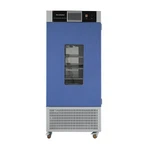
In the realm of materials testing, barely any instruments are essentially as vital as the xenon arc weathering chamber. This modern piece of gear assumes an essential part in assessing how different materials endure the impacts of daylight, moistness, and temperature after some time. Whether you're a carefully prepared specialist or new to the field of ecological testing, this comprehensive guide will reveal insight into the complexities of xenon arc chambers and their importance in present day industry.

What is Xenon Arc Weathering Chamber?
A xenon arc weathering chamber is an advanced testing device designed to simulate and accelerate the natural weathering process. By replicating outdoor conditions in a controlled environment, these chambers allow researchers and manufacturers to assess the durability and longevity of materials in a fraction of the time it would take under natural circumstances.
The Science Behind Xenon Arc Technology
At the heart of a xenon arc weathering chamber lies the xenon arc lamp. This powerful light source emits a spectrum closely resembling natural sunlight, including ultraviolet (UV), visible, and infrared radiation. The ability to produce this full-spectrum light is what sets xenon arc chambers apart from other weathering test methods.
Key Components of a Xenon Arc Chamber
A typical xenon arc weathering chamber consists of several essential components:
- Xenon arc lamp: The primary light source
- Optical filters: To fine-tune the spectral output
- Sample rack: For holding test specimens
- Water spray system: To simulate rain or dew
- Temperature and humidity controls: For precise environmental regulation
- Irradiance sensors: To monitor and maintain consistent light intensity
Applications Across Industries
Xenon arc weathering chambers find applications in numerous industries, including:
- Automotive: Testing paint, coatings, and interior materials
- Construction: Evaluating building materials and outdoor furnishings
- Textiles: Assessing color fastness and fabric durability
- Electronics: Testing the longevity of displays and enclosures
- Packaging: Evaluating the stability of labels and packaging materials
Best Practices for Xenon Arc Weathering Tests
To maximize the effectiveness of xenon arc weathering tests and ensure reliable results, it's crucial to follow best practices throughout the testing process. Here are some key considerations for conducting successful xenon arc weathering experiments.
Sample Preparation and Mounting
Proper sample preparation is essential for accurate test results. Consider the following guidelines:
- Clean samples thoroughly to remove any contaminants
- Cut samples to the appropriate size for the chamber's sample holders
- Ensure samples are mounted securely to prevent movement during testing
- Include control samples for comparison purposes
Calibration and Maintenance
Regular calibration and maintenance of the xenon arc weathering chamber are crucial for consistent and reliable results:
- Calibrate light intensity and spectral output regularly
- Check and replace filters as needed
- Clean the chamber interior and sample holders between tests
- Monitor and maintain proper water quality for the spray system
Test Protocol Selection
Choosing the appropriate test protocol is vital for obtaining meaningful results:
- Select a standardized test method relevant to your industry (e.g., ASTM G155, ISO 4892-2)
- Consider customizing test cycles to match specific end-use environments
- Determine appropriate exposure duration based on material type and research objectives
- Include dark cycles to simulate nighttime conditions if relevant
Interpreting Xenon Arc Weathering Test Results
The data obtained from xenon arc weathering tests can provide valuable insights into material performance and durability. However, interpreting these results requires careful analysis and consideration of various factors.
Common Weathering Effects
Xenon arc weathering can induce various changes in materials, including:
- Color fading or change
- Gloss loss
- Chalking of surface coatings
- Cracking or crazing
- Mechanical property changes (e.g., tensile strength, flexibility)
Quantitative Analysis Techniques
To objectively assess weathering effects, researchers employ various analytical techniques:
- Colorimetry: Measuring color changes using instruments like spectrophotometers
- Gloss measurement: Quantifying changes in surface reflectance
- Mechanical testing: Evaluating changes in physical properties
- Chemical analysis: Assessing degradation of polymers or other materials
Correlation with Natural Weathering
While xenon arc weathering chambers provide accelerated results, it's important to understand how these results correlate with natural outdoor exposure:
- Compare accelerated test results with long-term outdoor exposure data when available
- Consider regional variations in natural weathering conditions
Use correlation factors cautiously, as they may vary depending on material type and specific environmental conditions.
Future Trends in Xenon Arc Weathering Technology
As materials science and testing technologies continue to advance, xenon arc weathering chambers are evolving to meet new challenges and opportunities. Let's explore some emerging trends in this field.
Integration with Digital Technologies
The integration of xenon arc weathering chambers with digital technologies is enhancing their capabilities:
- IoT-enabled chambers for remote monitoring and control
- AI-powered data analysis for predictive modeling of material performance
- Cloud-based data storage and sharing for improved collaboration
Enhanced Spectral Control
Advancements in light source and filter technologies are enabling more precise spectral control:
- Improved simulation of specific light environments (e.g., high-altitude, marine)
- Better replication of UV-A and UV-B ratios found in natural sunlight
- Dynamic spectral adjustment capabilities for simulating diurnal variations
Sustainability Considerations
The focus on sustainability is influencing xenon arc weathering chamber design and operation:
- Energy-efficient xenon lamps and cooling systems
- Water recycling systems for reduced consumption
- Integration with renewable energy sources for powering test facilities
Conclusion
Xenon arc weathering chambers have become indispensable tools in the quest for durable, long-lasting materials across various industries. By providing accelerated, controlled, and reproducible weathering conditions, these sophisticated instruments enable researchers and manufacturers to develop products that withstand the test of time and environmental exposure.
As technology continues to evolve, xenon arc weathering chambers will undoubtedly play an even more crucial role in material testing and quality assurance. Whether you're developing new materials, improving existing products, or ensuring regulatory compliance, understanding the capabilities and best practices of xenon arc weathering chambers is essential for success in today's competitive market.
Contact Us
For more information about Xenon Arc Chambers and how they can benefit your specific testing needs, don't hesitate to reach out to our team of experts. Contact us at info@libtestchamber.com to discuss your environmental testing requirements and discover how our state-of-the-art xenon arc chambers can elevate your research and development efforts.
References
1. Johnson, A. R., & Smith, B. L. (2019). Advancements in Xenon Arc Weathering Technology for Materials Testing. Journal of Environmental Durability, 42(3), 215-229.
2. Zhang, X., & Lee, Y. H. (2020). Comparative Analysis of Xenon Arc and Natural Weathering Methods in Polymer Degradation Studies. Polymer Testing, 85, 106415.
3. Patel, M., & Williams, R. (2018). Best Practices for Xenon Arc Weathering Test Protocol Design. In Handbook of Environmental Degradation of Materials (3rd ed., pp. 537-562). Elsevier.
4. García-Pacios, V., et al. (2021). Applications of Xenon Arc Weathering in the Automotive Industry: A Comprehensive Review. Progress in Organic Coatings, 151, 106072.
5. Thompson, C. M., & Anderson, K. L. (2017). Digital Innovations in Xenon Arc Weathering Chambers: Enhancing Test Efficiency and Data Analysis. Materials Performance and Characterization, 6(1), 54-73.
6. Yamamoto, H., & Chen, L. (2022). Sustainable Approaches to Xenon Arc Weathering: Energy Efficiency and Resource Conservation in Modern Test Chambers. Sustainability in Materials Testing, 13(2), 189-204.