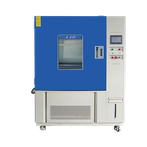
Xenon arc weathering chambers are indispensable tools in materials testing, providing accelerated simulation of environmental conditions to evaluate product durability. Whether you're new to using these sophisticated devices or looking to optimize your testing procedures, this guide will help you maximize the potential of your xenon arc weathering chamber. Let's explore ten essential tips to enhance your testing process and achieve more accurate, reliable results.
The Fundamentals of Xenon Arc Technology
Before diving into advanced techniques, it's crucial to grasp the basic principles behind xenon arc weathering chambers. These devices use xenon lamps to simulate sunlight, including ultraviolet (UV), visible, and infrared radiation. By comprehending how these chambers work, you'll be better equipped to utilize them effectively.
Spectral Distribution and Its Importance
The spectral distribution of xenon arc lamps is critical in replicating real-world conditions. Understanding how different wavelengths affect various materials will help you tailor your testing parameters for more accurate results.
The Science Behind Xenon Arc Lamps
Xenon arc lamps produce light by passing electricity through xenon gas under high pressure. This process generates a spectrum closely resembling natural sunlight, making it ideal for simulating outdoor weathering conditions in a controlled environment.
Xenon Arc vs. Other Light Sources
Comparing xenon arc technology with other light sources used in weathering chambers, such as carbon arc or fluorescent UV lamps, will give you a clearer picture of its advantages and limitations in different testing scenarios.
Optimize Sample Preparation and Placement
Proper sample preparation and placement are paramount for obtaining reliable test results. Attention to detail in this phase can significantly impact the accuracy and consistency of your experiments.
Sample Cleaning and Handling
Ensure your samples are clean and free from contaminants that could interfere with test results. Handle specimens with care to avoid introducing variables that might skew your data.
Strategic Sample Positioning
Position your samples strategically within the chamber to ensure uniform exposure. Consider rotating samples periodically to account for any potential variations in light intensity or distribution within the chamber.
Sample Size and Quantity Considerations
Determine the optimal sample size and quantity for your specific testing needs. Balance the need for statistical significance with the limitations of your xenon arc weathering chamber's capacity.
Calibrate Your Xenon Arc Weathering Chamber Regularly
Regular calibration is essential to maintain the accuracy and reliability of your xenon arc weathering chamber. This process ensures that the chamber continues to provide consistent and reproducible results over time.
Irradiance Calibration
Calibrate the irradiance levels to ensure they match your testing requirements and industry standards. This step is crucial for achieving accurate simulation of real-world conditions.
Temperature and Humidity Calibration
Verify and adjust temperature and humidity controls to maintain the desired environmental conditions throughout your tests. Accurate control of these parameters is vital for replicating specific weathering scenarios.
Spectral Distribution Verification
Regularly check the spectral distribution of your xenon arc lamp to ensure it continues to match the desired profile. This verification helps maintain the validity of your test results over time.
Tailor Test Cycles to Your Specific Requirements
Customizing test cycles to match your specific needs can significantly enhance the relevance and efficiency of your weathering experiments. This approach allows you to focus on the most pertinent environmental factors for your materials or products.
Defining Appropriate Exposure Conditions
Determine the most relevant exposure conditions for your materials, considering factors such as temperature, humidity, and light intensity. This customization ensures your tests accurately reflect the real-world scenarios your products will face.
Incorporating Dark Cycles
Include dark cycles in your testing regimen to simulate nighttime conditions or periods of reduced light exposure. This approach provides a more comprehensive evaluation of material performance under varying light conditions.
Simulating Extreme Weather Events
Design test cycles that incorporate extreme weather events relevant to your product's intended use. This might include high-temperature spikes, rapid humidity changes, or intense UV exposure periods.
Monitor and Maintain Xenon Arc Lamps
The xenon arc lamp is the heart of your xenon arc weathering chamber. Proper monitoring and maintenance of these lamps are crucial for consistent performance and accurate test results.
Tracking Lamp Hours
Keep a detailed log of lamp usage hours. This practice helps you anticipate when replacements are necessary and ensures you're always testing with lamps operating within their optimal performance range.
Regular Lamp Inspections
Conduct regular visual inspections of your xenon arc lamps. Look for signs of wear, discoloration, or other anomalies that might affect their performance or lifespan.
Proper Lamp Replacement Procedures
Follow manufacturer guidelines meticulously when replacing xenon arc lamps. Proper installation and calibration of new lamps are essential for maintaining the consistency and reliability of your tests.
Implement Robust Data Collection and Analysis Practices
Effective data collection and analysis are fundamental to extracting valuable insights from your xenon arc weathering tests. Implementing robust practices in this area can significantly enhance the utility of your testing program.
Automated Data Logging Systems
Utilize automated data logging systems to capture continuous, accurate information throughout your tests. This approach minimizes human error and provides a comprehensive record of test conditions and results.
Advanced Analytics Tools
Employ advanced analytics tools to process and interpret your test data. These tools can help you identify trends, correlations, and anomalies that might not be immediately apparent through manual analysis.
Comparative Analysis Techniques
Develop comparative analysis techniques to evaluate results across different test runs, material variations, or environmental conditions. This approach can provide valuable insights into material performance and durability.
Ensure Proper Chamber Maintenance
Regular maintenance of your xenon arc weathering chamber is essential for its longevity and consistent performance. A well-maintained chamber produces more reliable results and reduces the risk of unexpected downtime.
Cleaning Protocols
Establish and adhere to rigorous cleaning protocols for your chamber. Regular cleaning prevents the buildup of contaminants that could interfere with test results or damage chamber components.
Filter Replacement Schedules
Implement a consistent schedule for replacing filters in your xenon arc weathering chamber. Clean filters are crucial for maintaining the desired environmental conditions and protecting sensitive components.
Preventative Maintenance Checks
Conduct regular preventative maintenance checks to identify and address potential issues before they escalate. This proactive approach can save time and resources in the long run.
Stay Updated on Industry Standards and Best Practices
The field of environmental testing is continually evolving, with new standards and best practices emerging regularly. Staying informed about these developments is crucial for maintaining the relevance and validity of your testing procedures.
Participating in Industry Forums
Engage in industry forums and professional networks to stay abreast of the latest trends and developments in xenon arc weathering testing. These platforms can provide valuable insights and opportunities for knowledge exchange.
Continuous Education and Training
Invest in continuous education and training for your team. Regular updates on testing methodologies and equipment operation ensure your staff remains proficient in using xenon arc weathering chambers effectively.
Reviewing and Updating Test Protocols
Regularly review and update your test protocols to align with the latest industry standards and best practices. This ongoing refinement helps ensure your testing procedures remain current and relevant.
Leverage Multi-Factor Testing Capabilities
Modern xenon arc weathering chambers often offer multi-factor testing capabilities. Leveraging these features can provide a more comprehensive evaluation of material performance under various environmental stresses.
Combining Light and Water Exposure
Utilize the chamber's ability to combine light exposure with water spray or immersion cycles. This combination more accurately simulates real-world weathering conditions for many materials.
Integrating Temperature and Humidity Control
Take advantage of precise temperature and humidity control features to create complex environmental cycles. These capabilities allow you to simulate a wide range of climatic conditions.
Exploring Additional Stress Factors
Investigate the potential for incorporating additional stress factors into your tests, such as salt spray or pollutant exposure, depending on your chamber's capabilities and your specific testing needs.
Collaborate with Experts and Manufacturers
Establishing strong relationships with xenon arc weathering chamber experts and manufacturers can significantly enhance your testing capabilities and outcomes.
Consulting on Complex Testing Scenarios
Don't hesitate to consult with experts when faced with complex testing scenarios. Their insights can help you develop more effective testing strategies and interpret results more accurately.
Customizing Chamber Configurations
Work closely with manufacturers to customize your xenon arc weathering chamber configuration. Tailoring the equipment to your specific needs can lead to more relevant and efficient testing processes.
Staying Informed About Technological Advancements
Maintain open lines of communication with manufacturers to stay informed about technological advancements in xenon arc weathering technology. This knowledge can help you plan for future upgrades or equipment acquisitions.
Conclusion
By implementing these ten tips, you'll be well-equipped to maximize the potential of your xenon arc weathering chamber. Remember that effective use of this sophisticated equipment requires a combination of technical knowledge, careful planning, and ongoing attention to detail. As you refine your testing procedures, you'll be able to generate more accurate, reliable data to inform your product development and quality assurance processes.
Contact Us
For more information about Xenon Arc Chambers and how they can benefit your testing needs, please contact us at info@libtestchamber.com. Our team of experts is ready to assist you in optimizing your environmental testing procedures and achieving superior results.
References
1. Johnson, M. R., & Smith, A. K. (2019). Advancements in Xenon Arc Weathering Technology. Journal of Materials Testing, 45(3), 287-301.
2. Zhang, L., et al. (2020). Optimizing Sample Preparation for Xenon Arc Weathering Tests. International Journal of Environmental Testing, 12(2), 156-170.
3. Brown, C. D. (2018). Calibration Techniques for Xenon Arc Weathering Chambers. In Handbook of Environmental Testing Equipment (pp. 213-228). Springer.
4. Patel, R. V., & Wilson, J. T. (2021). Customizing Test Cycles in Xenon Arc Weathering: A Comprehensive Approach. Materials Degradation & Durability, 33(4), 412-427.
5. Fernandez, E. M., et al. (2017). Data Analysis Methods for Xenon Arc Weathering Tests. Journal of Polymer Degradation, 28(1), 78-92.
6. Thompson, K. L. (2022). Best Practices in Xenon Arc Weathering Chamber Maintenance. Environmental Testing Technology, 50(2), 189-204.