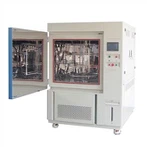
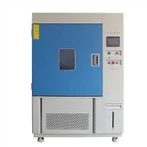
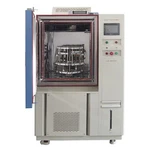
When selecting an industrial drying oven, the decision directly impacts not only the quality of your output but also the efficiency of your operations. A well-chosen drying oven can significantly enhance your production while minimizing energy consumption, downtime, and overall costs. In this guide, we'll explore the critical factors you should consider ensuring you choose the right industrial drying oven for optimal performance and cost-effectiveness.
Type of Drying Oven for Your Application
Convection Drying Ovens
Convection ovens are a staple in many industries due to their versatility. They use hot air to remove moisture or cure materials, making them suitable for drying, sterilizing, and aging various products. These ovens are often more affordable and energy-efficient, making them ideal for applications where uniform temperature distribution is key.
Vacuum Drying Ovens
Vacuum drying ovens are designed for more delicate or sensitive materials, especially when low-temperature drying is necessary to prevent damage. By reducing the pressure inside the chamber, these ovens enable drying at lower temperatures, preserving the quality of heat-sensitive products. If your industry handles electronics, pharmaceuticals, or any delicate materials, this oven type is worth considering.
Infrared Drying Ovens
These ovens use infrared radiation to directly heat materials, which can result in faster drying times compared to traditional methods. Infrared ovens are highly efficient, but they work best for specific applications such as coatings or thin materials. Evaluating the nature of your products will help determine whether this technology is suitable for your needs.
Size and Capacity Requirements
Production Volume
One of the first things to consider when choosing an industrial drying oven is the volume of material you need to process. Oversizing or undersizing your oven can result in inefficiencies. An undersized oven will cause production bottlenecks, while an oversized one may lead to unnecessary energy consumption. Properly estimating your production capacity ensures that your oven operates at maximum efficiency.
Chamber Size
The chamber size should accommodate your largest batches while allowing for proper air circulation or radiation. Make sure to measure the physical dimensions of your materials and compare them to the interior space of the oven. Consider whether the oven's design includes shelving, racks, or trays to better organize and maximize the chamber's utility.
Future Growth
While it's essential to select an oven that fits your current needs, it's also prudent to plan for future production growth. Choosing an oven with slightly higher capacity than you need today can help avoid the expense of purchasing a new unit as your production scales.
Temperature Uniformity and Control Precision
Consistent Heat Distribution
For many industrial processes, maintaining uniform temperature is crucial for product quality. Temperature uniformity ensures that all parts of the material are evenly heated. When assessing ovens, check their design for features such as airflow patterns and insulation that contribute to even temperature distribution. Uneven heating can result in suboptimal products and costly rework.
Temperature Control Systems
Advanced temperature control systems allow for precise regulation of heat levels, preventing overheating or under-heating. Whether you're drying, curing, or sterilizing, accuracy in temperature control leads to consistent product quality. Look for ovens equipped with digital controllers and sensors that offer real-time monitoring and adjustments.
Cooling and Ramp Rate
In some processes, the ability to control not only heating but also cooling rates is essential. Fast cooling options can improve process speed and throughput, especially in temperature-sensitive applications. Additionally, industrial drying ovens with programmable ramp rates allow you to customize the temperature rise and fall based on the specific needs of your process.
Energy Efficiency and Operating Costs
Insulation and Heat Retention
Well-insulated ovens reduce heat loss, improving energy efficiency and cutting down on operating costs. Pay attention to the oven's insulation materials, as high-quality insulation helps maintain desired temperatures with less energy input. This not only lowers your energy bills but also minimizes your environmental footprint.
Batch vs. Continuous Ovens
The choice between batch and continuous ovens can greatly influence your operational costs. Batch ovens are ideal for smaller, varied production runs, while continuous ovens are more efficient for large-scale, steady production. Selecting the right configuration based on your production workflow can yield substantial cost savings.
Automation Features
Automation can significantly reduce labor costs and improve efficiency. Modern industrial drying ovens may offer programmable settings, remote control, and monitoring capabilities. Automation not only reduces the likelihood of human error but also optimizes drying cycles, allowing you to run the oven during off-peak energy hours, further lowering costs.
Maintenance, Durability, and Long-Term Reliability
Easy Maintenance Design
Maintenance plays a key role in the long-term performance of your industrial drying oven. Ovens with easy-to-access components simplify routine maintenance, reducing downtime and extending the equipment's lifespan. Look for models with user-friendly designs that facilitate quick cleaning, part replacement, and inspection.
Build Quality and Material Selection
The materials used in constructing the industrial drying oven directly affect its durability. Stainless steel interiors, corrosion-resistant coatings, and reinforced seals contribute to the longevity of the oven, especially in environments with harsh operating conditions. Durability reduces the need for frequent repairs or replacements, improving overall cost-effectiveness.
Manufacturer Support and Warranty
Lastly, consider the manufacturer's reputation and the warranty offered. A comprehensive warranty reflects the manufacturer's confidence in the product and ensures that you are covered in the event of any issues. Reliable customer support also helps ensure you get the best out of your oven, from installation through its operational life.
Safety Features and Compliance
Overheat Protection
Safety should always be a priority when selecting an industrial drying oven. Overheat protection systems automatically shut down the oven if the temperature exceeds safe limits, preventing damage to both the oven and your products. This feature is essential for maintaining a safe working environment.
Ventilation and Exhaust Systems
Proper ventilation is vital, especially if your drying process produces fumes, gases, or volatile compounds. Ovens equipped with exhaust systems efficiently remove hazardous materials from the chamber, ensuring the safety of your employees and compliance with environmental regulations.
Industry-Specific Compliance
Certain industries, such as pharmaceuticals or food processing, may require adherence to specific safety standards and regulations. Ensure that the oven you choose meets the necessary compliance requirements for your industry. This may include certifications for cleanroom compatibility or explosion-proof construction.
Conclusion
Selecting the right industrial drying oven is a crucial decision that impacts your production efficiency, product quality, and operational costs. By carefully evaluating factors like oven type, size, temperature control, energy efficiency, and safety features, you can ensure optimal performance and long-term cost savings.
Contact Us
If you're looking for tailored guidance or a custom solution to your industrial drying needs, LIB Industry offers a range of high-performance ovens that can be customized to fit your specific requirements. Contact us at info@libtestchamber.com for expert advice and to explore our full product range.
References
1. Industrial Heating Technologies in Convection Ovens, Industrial Process Journal.
2. The Role of Vacuum Ovens in Pharmaceutical Drying, Applied Materials Review.
3. Energy Efficiency in Industrial Ovens: Best Practices for Reducing Operating Costs, TechProcess Insights.
4. Temperature Uniformity in Industrial Drying Ovens: Ensuring Consistent Product Quality, Manufacturing Weekly.
5. Innovations in Infrared Drying Technology for Industrial Applications, Advanced Materials Processing.
6. Safety Standards and Overheat Protection in Modern Drying Ovens, Industrial Equipment Digest.